



BYD expands electric bus fleet to Brisbane Airport
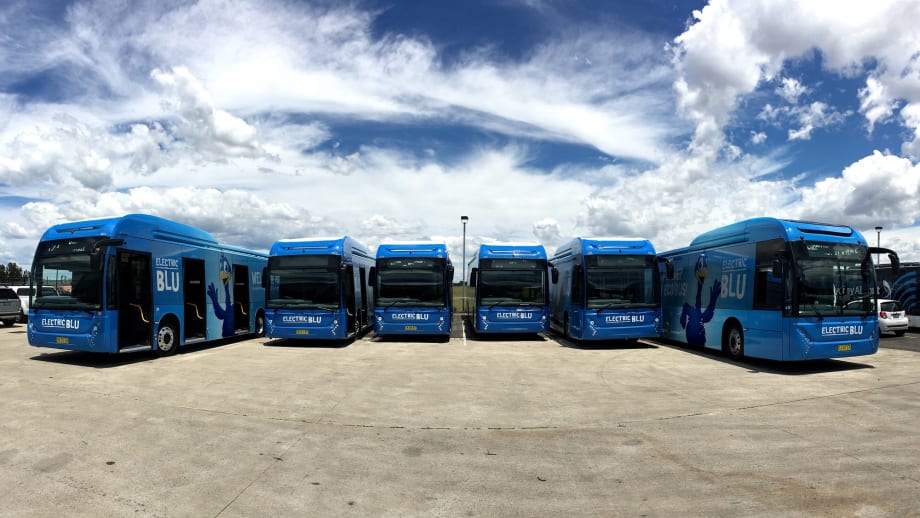
The fleet of 11, 40-foot electric buses will be fully operational in February 2018 as a shuttle service between the airport’s domestic and international terminals.

BYD
BYD
BYD announced the successful expansion of its pure electric buses to Brisbane Airport, eight months after making its commercial debut at the country’s busiest airport in Sydney.
The fleet of 11, 40-foot electric buses will be fully operational in February 2018 as a shuttle service between the airport’s domestic and international terminals. The vehicles will be run by Carbridge, an Australian-based leader in aviation passenger ground transportation, who operates BYD electric buses, the Electric Blu, in the Sydney Airport.
The BYD bus has a passenger capacity of 70 and features purpose-designed luggage storage racks and three full-size double doors making boarding and alighting more efficient. In addition, the buses have GPS next-stop announcements, driver monitoring, and real-time tracking data, meaning issues can be immediately identified and responded to in real-time.
Replacing the current fleet of electric buses will result in a reduction of 250 tons of carbon emissions each year, equivalent to taking 100 cars off the road, according to BYD.
More Technology
Almaviva Looks to Open Architecture to Advance Transit Technology
Eric Reese discusses how interoperability, open architecture, and modular design can help transit agencies control costs, reduce vendor lock-in, and upgrade technology without starting over.
Read More →
Driving Smarter Paratransit
John Hanlon shares how AlphaRoute is leveraging AI-powered technology to help paratransit providers optimize operations, support frontline staff, and enhance the rider experience.
Read More →
From Hardware to Digital Partner: Luminator Charts Its Next Chapter
CEO Magnus Friberg discusses Luminator’s shift toward becoming a digital partner, the growing importance of software and interoperability, and how AI can help agencies improve operations and passenger experience.
Read More →

Beyond the Checklist: A Structured Approach to Transit Maintenance
Reliability-Centered Maintenance helps transit agencies move beyond routine checklists to focus limited resources on the assets and failures that have the greatest impact on safety, reliability, and service.
Read More →
NJ TRANSIT Advances Bus Technology Upgrades Across Statewide Fleet
More than 1,500 buses now feature upgraded technology designed to improve arrival predictions and provide free Wi-Fi, with deployment expected to reach nearly 2,000 buses by the end of 2026.
Read More →
Building a Flexible Path to Transit Electrification
John Hroncich discusses BAE Systems’ modular and scalable approach, lessons learned from decades of real-world operations, and how agencies can identify electrification strategies that fit their fleets.
Read More →
Biz Briefs: Alstom Lands Canadian Contract, LYT to Supply California TSP, and More
In METRO's latest installment, we take a look at recent news from Complete Coach Works, Beep, FlixBus, and more partnerships making headlines across the transportation sector.
Read More →
From Legacy Silos to Conversational Intelligence
What if transit leaders could ask any operational question and get a trusted answer in seconds? Conversational AI is transforming how agencies use their data.
Read More →
USDOT Announces Rail Vehicle Replacement Grants, Chattanooga AV Shuttle Funding
More than $191 million in federal funding will help three transit agencies replace aging rail vehicles and support a new autonomous shuttle service in Chattanooga.
Read More →
Bus Tech Talk: Keeping Transit Technicians Ahead of the Technology Curve
LA Metro’s Obed Mejia discusses technician training, evolving maintenance technology, fleet replacement, and strategies for getting the most out of today’s transit fleets.
Read More →