



Caltrain faces $30M budget shortfall, drastic service cuts
Cuts could be as severe as a reduction in service to 48 trains that would operate only during the weekday commute. All other service would be eliminated including: weekday service outside the commute peak, weekend service and service south of the San Jose Diridon station. The schedule also would require the suspension of service at up to seven stations.


Photo courtesy of Caltrain.
[IMAGE]Caltrain-2.jpg[/IMAGE]As California commuter rail service, Caltrain begins its budget process, it faces a $30 million deficit and the prospect of drastic cuts to its service.
Under the current budget scenario, cuts could be as severe as a reduction in service to 48 trains that would operate only during the weekday commute. All other service would be eliminated including: weekday service outside the commute peak, weekend service and service south of the San Jose Diridon station. The schedule also would require the suspension of service at up to seven stations.
Caltrain is the only Bay Area transit system without a permanent, dedicated funding source such as a sales tax.
Instead, the railroad has relied on contributions from its three partner agencies — the City and County of San Francisco, the San Mateo County Transit District and the Santa Clara Valley Transportation Authority — to balance its budget.
In Fiscal Year 2011, passenger fares make up around 44 percent of the operating budget and contributions from the partner agencies make up 34 percent.
“We are not saying that this is what we are going to do, or where we are going to end up,” said Executive Officer for Public Affairs Mark Simon. “But this is where we are starting.”
Caltrain currently operates 86 weekday trains, including 22 express trains, with an average ridership of 40,000. Saturday service includes 36 local trains and four express trains; Sunday service includes 32 local trains and four express trains.
Over the last few years, Caltrain has made aggressive efforts to reduce costs and maintain service.
For the last three fiscal years, salaries have been frozen. Employees will have taken a total of 17 furlough days from FY09 through FY11. Jan. 1, four weekday trains during the midday were eliminated and fares were increased 25 cents for each zone. In an effort to generate additional revenue, a pilot program for weekend Baby Bullet service was introduced.
[IMAGE]Caltrain-BB-at-Millbrae-vertical-retouch-2.jpg[/IMAGE]
In FY11, Caltrain administrative staff costs make up only 6.4 percent of its operating budget, below the rate at Bay Area and other comparable commuter rail agencies.
SamTrans (San Mateo County Transit District) is expected to reduce its annual contribution to Caltrain to approximately $4.7 million, a reduction of approximately $10 million. If the other partners follow suit, the budget shortfall is expected to be $30 million.
The Peninsula Corridor Joint Powers Board, which owns and operates Caltrain, will be asked to call for two public hearings, one on the proposed service changes and one to declare a fiscal emergency, at its Feb. 3 meeting. Four community meetings will be held throughout the Caltrain service area on Feb. 17, followed by a formal public hearing on March 3. A start date for any service changes has yet to be determined.
There is growing attention among community stakeholders to the need for a permanent, dedicated source of funding for Caltrain.
The Silicon Valley Leadership Group will hold a summit on Jan. 21 at Stanford University and the Friends of Caltrain, a grassroots group of Caltrain supporters, will hold a public meeting on Jan. 29 at the SamTrans offices in San Carlos.
More Rail
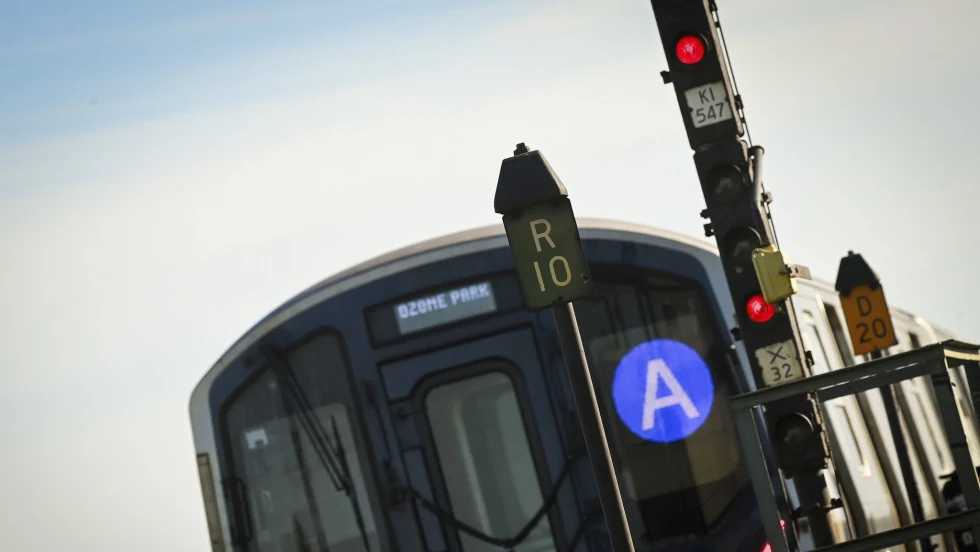
New York MTA Launches Historic $1.9B Signal, Track Modernization Project
Funded in part by congestion pricing revenue, the project will replace nearly century-old signals along the A and C lines in Brooklyn and Queens.
Read More →
LA Metro Breaks Ground on East San Fernando Valley Light Rail Project
The 6.7-mile line will add 11 stations along Van Nuys Boulevard, expand access to jobs and regional transit connections, and support Metro’s broader efforts to improve mobility as rail ridership grows.
Read More →
CSA Group Releases Climate Resilience Standard for Transit, Passenger Rail
Developed with support from the Standards Council of Canada, CSA D700 guides assessing climate-related risks and planning adaptation measures for transit and passenger rail systems.
Read More →
LA Metro September Ridership Climbs 3.9%, Led by Rail Growth
The agency recorded more than 27.2 million boardings, with rail ridership increasing 12.4% year over year and the D Line posting the largest gains.
Read More →
First Full MetroLink Rail Expansion Completed in 20 Years with $192M Airport Project
The project links two St. Louis-area airports by light rail while adding roadway and bike trail connections to improve regional access and mobility.
Read More →
Utilimarc Launches SmartReplace to Optimize Fleet Replacement Decisions
AI-powered SmartReplace helps fleets prioritize vehicle replacements, model budget scenarios, and build more defensible long-term strategies.
Read More →
Scenes from APTA TRANSform & EXPO 2026
Transit leaders, manufacturers, and industry professionals gathered in Chicago to explore new technologies, share ideas, and discuss the future of public transportation.
Read More →
USDOT Awards $416 Million for Florida Rail Crossing Safety Upgrades, New Brightline Station
The projects aim to reduce risks for motorists and pedestrians at rail crossings while expanding passenger rail access along Florida’s Space Coast.
Read More →
OCTA Declares Emergency to Protect Rail Corridor From Coastal Erosion
The California agency is accelerating shoreline protection and plans to place approximately 690,000 cubic yards of sand along the San Clemente coast to protect a key passenger and freight rail link.
Read More →
More Than a Summer Job: Building the Next Generation of Transit Talent
The Delaware River Port Authority and PATCO have transformed their internship program into a hands-on professional development experience that introduces students to the breadth of transportation careers — and creates a pipeline for future employees.
Read More →