



Canadian study calls for increased Fed investment
The call was supported by the release of an economic study by HDR Decision Economics Inc. that analyzed the optimal supply and demand for urban transit in Canada.

Transit leaders from across Canada this week called on federal party leaders to pledge increased funding for transit during the current federal election campaign.
The call was supported by the release of an economic study by HDR Decision Economics Inc. that analyzed the optimal supply and demand for urban transit in Canada.
The study conducted had several important conclusions, including:
• The economically and socially optimal level of transit supply in 2006 would have required an estimated 1.7 billion vehicle-kilometers of transit service, or 74 percent more service than actually supplied.
• In 2006, capital investment of $78.1 billion would have been required to bring the supply of transit into line with the optimal conditions of supply in that year.
• Results of the analysis conclude that Canada is clearly underinvested in urban transit.
• Bringing transit to the optimal level of supply would produce several positive economic and social benefits – more than two-thirds of these benefits are constituted by the economic value of reduced roadway congestion.
HDR's economic study release comes on the heels of a public opinion poll, conducted by The Strategic Counsel, which was released two weeks ago by the Federation of Canadian Municipalities and Canadian Urban Transit Association (CUTA). The major findings from the nationwide poll of urban Canadians demonstrated that 40 percent of respondents believe rising gas prices have already or will push them to consider using public transit.
“Transit providers welcome new riders, but without new funding, this kind of increased demand would overwhelm transit systems, many of which are already at or beyond capacity during peak hours,” explained Steve New, CUTA chair.
Over the next five years, CUTA is expecting that Canada's transit systems will require $40 billion to meet demands and expand public transportation.
More Paratransit

Driving Smarter Paratransit
John Hanlon shares how AlphaRoute is leveraging AI-powered technology to help paratransit providers optimize operations, support frontline staff, and enhance the rider experience.
Read More →
METRO Magazine Announces 2026 Innovative Solutions Awards Winners
Projects Recognized for Advancing Mobility Through Technology, Accessibility, Workforce Innovation, and Operational Excellence
Read More →
Biz Briefs: STV teams with Amtrak, Motorcoach Operators Boost Fleet and Land Contracts, and More
From manufacturers and suppliers to transit agencies and motorcoach operators, these updates offer a snapshot of the projects, partnerships and business moves driving the industry forward.
Read More →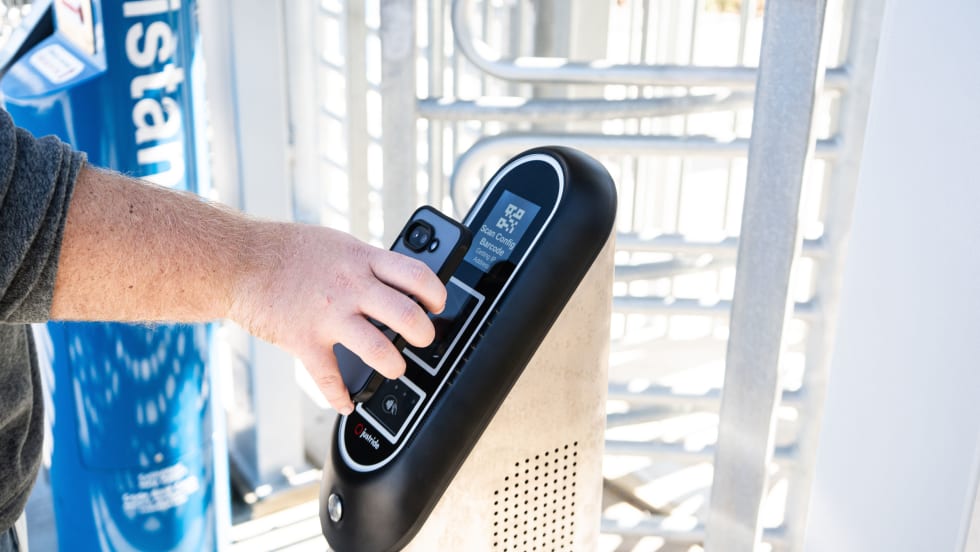
Biz Briefs: Masabi Teams with St. Louis Metro and More
In METRO's latest installment, we take a look at recent news from Transdev, Hitachi, and more partnerships making headlines across the transportation sector.
Read More →
New York MTA Leverages Zoning Program to Advance Station Accessibility
Accessibility enhancements at Nevins St Station will be financed through a development agreement tied to the MTA's Zoning for Accessibility initiative.
Read More →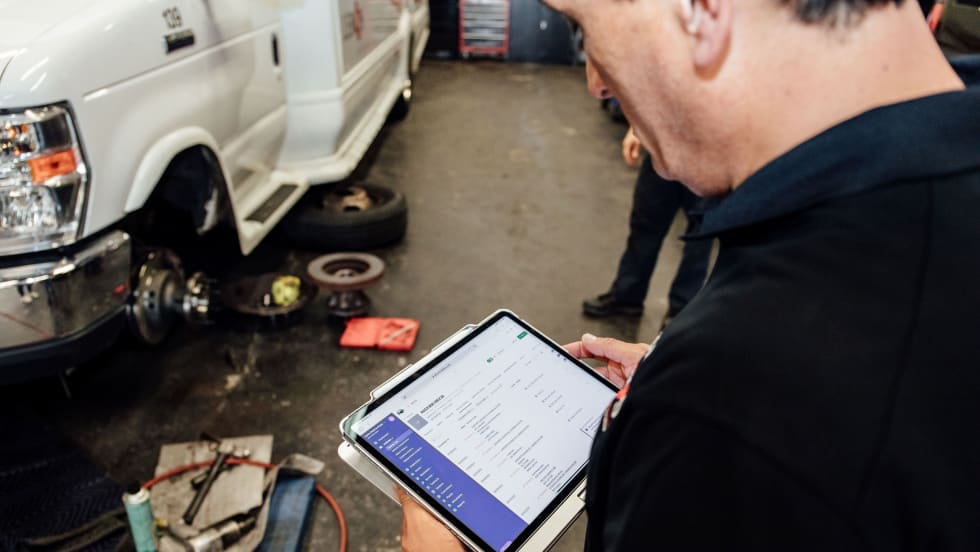
Reinventing Fleet Maintenance with Real-time Visibility and AI
Transit leaders need to know what needs fixing, where to look, who is responsible, when work is completed, and what it costs without having to chase information across disconnected systems.
Read More →
SamTrans Sets Priorities for Potential Connect Bay Area Revenue
The board-approved framework allocates future funding to maintaining service, rider improvements, equity initiatives, and infrastructure repairs.
Read More →
Chicago's NITA Act Moves Into Next Phase as Service Improvements Begin
Rider-focused improvements will begin rolling out across the system immediately as CTA, Metra, and Pace increase service this summer in the six-county region.
Read More →
2026 METRO Buyer’s Guide & Directory
Searching for the right vehicles, technology, equipment, or services for your public transit or motorcoach operation? This industry guide brings together manufacturers and suppliers from across the transportation market — all in one place. Download it to connect with the companies that help agencies and operators improve mobility, enhance operations, and move their organizations forward.
Read More →
Rays the Mark Foundation to Honor CDTA’s Emily DeVito at October Fundraiser
Event at Chicago-area Ravisloe Country Club will support DeVito, a transit employee and mother of twins battling kidney failure and awaiting a transplant.
Read More →