



CARTA receives 'smart city' award for electric car share project
This new electric vehicle framework will also provide a foundation for the introduction of connected and autonomous vehicle technology as well as mobility-on-demand solutions.

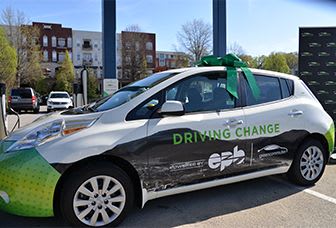
CARTA has installed 64 electric vehicle charging ports across 22 site locations promoting electric vehicle charging access at no cost to the user. Photo: EPB
CARTA has installed 64 electric vehicle charging ports across 22 site locations promoting electric vehicle charging access at no cost to the user. Photo: EPB
The Chattanooga Area Regional Transportation Authority (CARTA) received a "smart city" award for its innovative electric vehicle charging and carshare project.
The Smart 50 Awards, which recognize smart cities projects from around the world, is a partnership of Smart Cities Connect, Smart Cities Connect Foundation, and US Ignite.
CARTA's new network of publicly accessible electric vehicle charging infrastructure was deployed across the community to promote transportation choice through integration with traditional transit, electric shuttle operations, the Bike Chattanooga Bicycle Transit System, and public parking infrastructure.
RELATED: MDOT, MTA bring Zipcar to select transit stops
With the construction of 80kW of solar energy production and related power provider agreements, a compensatory amount of clean energy is provided to the electric grid to match vehicle energy use. So far, CARTA has installed 64 electric vehicle charging ports across 22 site locations promoting electric vehicle charging access at no cost to the user.
CARTA selected Green Commuter, a California-based benefit corporation, to introduce 20 Nissan LEAF all-electric vehicles as part of a new carshare program, with vehicles accessible by the hour or day through smart phone technology. This ownership model of the electric vehicle supply equipment by CARTA provides for continued maintenance and connectivity of the charging network through revenues produced by solar energy production.
The expansion of the publicly accessible electric vehicle charging network and the introduction of a new carshare program to the city promotes the further use of smart and clean energy transportation choices. Coordination of data collection from these transport systems provides CARTA the opportunity to develop enhanced and integrated transportation bundles to promote consumer choice and better utilize the community's transportation resources. This new electric vehicle framework will also provide a foundation for the introduction of connected and autonomous vehicle technology as well as mobility-on-demand solutions.
More New Mobility

From Hardware to Digital Partner: Luminator Charts Its Next Chapter
CEO Magnus Friberg discusses Luminator’s shift toward becoming a digital partner, the growing importance of software and interoperability, and how AI can help agencies improve operations and passenger experience.
Read More →
Biz Briefs: Alstom Lands Canadian Contract, LYT to Supply California TSP, and More
In METRO's latest installment, we take a look at recent news from Complete Coach Works, Beep, FlixBus, and more partnerships making headlines across the transportation sector.
Read More →
CharterUP’s Armir Harris on Technology, AI, and the Future of Group Mobility
In a recent episode of METROspectives, CharterUP Founder/CEO Armir Harris discussed the company’s evolution from an online charter bus marketplace into a technology platform supporting public- and private-sector mobility and much more.
Read More →
Jacksonville’s NAVI Project Charts a New Course for Autonomous Public Transportation
Through its NAVI program, JTA is showing how autonomous vehicles, intelligent infrastructure, and coordinated operations can work together to deliver everyday public transportation.
Read More →
Biz Briefs: Luminator Marks Milestone and More
From manufacturers and suppliers to transit agencies and motorcoach operators, these updates offer a snapshot of the projects, partnerships and business moves driving the industry forward.
Read More →
New Tricks for Old Bureaucracies: Joshua Schank on Making Transit Innovation Stick
Former LA Metro Chief Innovation Officer Joshua Schank discusses why good ideas aren't enough, how transit agencies can overcome resistance to change, and why today's challenges demand more innovation.
Read More →
How DART's GoPass Is Redefining Regional Mobility
Serving 14 transit agencies, GoPass simplifies multimodal travel by allowing riders to plan, pay for, and manage an entire trip through one app.
Read More →
Biz Briefs: OCTA Taps Clean Energy for Hydrogen Station, Stadler to Supply Via Rail Vehicles, and More
From manufacturers and suppliers to transit agencies and motorcoach operators, these updates offer a snapshot of the projects, partnerships and business moves driving the industry forward.
Read More →CharterUP Expands Into New Mobility and Autonomous Transportation
Vice President of New Mobility Stephen Joos discusses how CharterUP is leveraging its nationwide transportation network, technology platform, and autonomous vehicle partnerships to expand into workforce mobility, campus shuttles, and transit solutions.
Read More →
METRO Magazine Announces 2026 Innovative Solutions Awards Winners
Projects Recognized for Advancing Mobility Through Technology, Accessibility, Workforce Innovation, and Operational Excellence
Read More →