



CCW develops its largest electric bus battery capacity
Company increased its Zero Emission Propulsion System battery pack to 466 kWh to boost power and range.

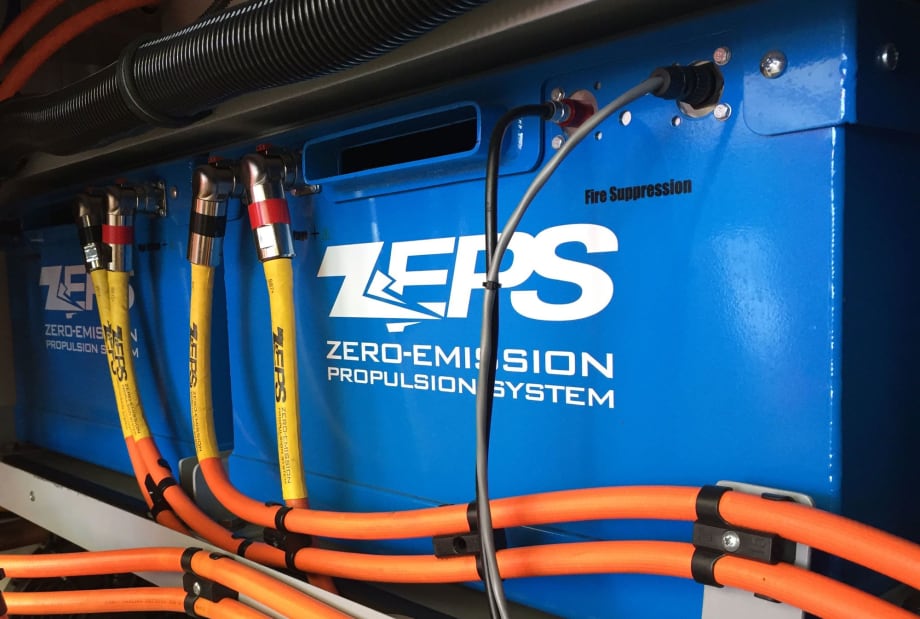
Company increased its Zero Emission Propulsion System battery pack to 466 kWh to boost power and range.
CCW
Company increased its Zero Emission Propulsion System battery pack to 466 kWh to boost power and range.
CCW
Complete Coach Works (CCW), an innovator in heavy-duty electric transportation, announced that they now offer an optional 466 kWh onboard energy storage system.
CCW increased its Zero Emission Propulsion System (ZEPS) battery pack in order to increase power and range. Currently, there are more than 50 ZEPS buses deployed in service across the nation with more than three million revenue miles. These deployments have been proven to perform successfully in all types of weather conditions, according to CCW.
IndyGo and Indy Airport operate 30 ZEPS buses for its day-to-day operations. The City of McAllen Transit Department utilizes two ZEPS buses to operate out of the city’s International Transit Terminal where passengers can connect for several international, national, regional and intercity destinations.
“We were able to keep the battery pack light, which improves vehicle reliability and efficiency," said Brad Carson, CCW’s Director of Sales and Marketing. "Our company is committed to providing the transit industry with the most advanced technology and this upgrade will give agencies the extended range they need on a single charge.”
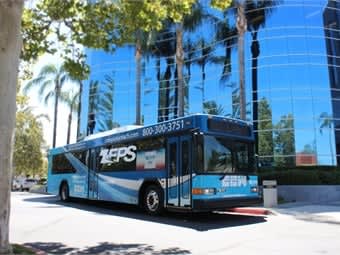
Operators can opt to purchase newly refurbished buses from CCW’s inventory or have their existing fleet converted to all-electric.
CCW
Using advanced lithium-ion batteries and liquid-cooled all-electric drive systems, the performance of ZEPS delivers a significantly longer operating range while maintaining battery life. Other features include a permanent magnet synchronous motor that provides maximum torque at the start and a smooth acceleration profile.
The ZEPS saga started as an option to provide customers a clean, cost-effective, and viable alternative to fossil fuel. Working with its sister company Transit Sales International, CCW developed its own system by taking an existing low-floor transit bus and rebuilt it as a battery-electric bus. The resulting ZEPS bus offers economical options to bus operators looking to start an electric bus operation. Operators can opt to purchase newly refurbished buses from CCW’s inventory or have their existing fleet converted to all-electric.
More Bus

New York MTA Plans Largest Bus Fleet Upgrade in More Than a Decade
The agency is seeking manufacturers for 650 new CNG buses to replace aging vehicles, improve reliability, and advance its broader fleet modernization strategy.
Read More →
Building a Flexible Path to Transit Electrification
John Hroncich discusses BAE Systems’ modular and scalable approach, lessons learned from decades of real-world operations, and how agencies can identify electrification strategies that fit their fleets.
Read More →
Bus Tech Talk: Keeping Transit Technicians Ahead of the Technology Curve
LA Metro’s Obed Mejia discusses technician training, evolving maintenance technology, fleet replacement, and strategies for getting the most out of today’s transit fleets.
Read More →
Biz Briefs: RIPTA Unveils New Frontrunners, Clevland RTA Adds New Siemens, and More
In METRO's latest installment, we take a look at recent news from Siemens, Prevost, Dodge, and more partnerships making headlines across the transportation sector.
Read More →
People Movement: Holly Arnold Joins Transdev and More
In this edition, we also cover recent appointments and announcements at Pace, CamTran, MCI, and more, showcasing the individuals helping to shape the future of transportation.
Read More →
The High Cost of Transit Buses: Industry Leaders Look to Procurement Reform
Transit leaders and policymakers examine how standardized bus designs, streamlined procurement, and predictable funding could help agencies stretch budgets and deliver better service.
Read More →
The Business Voice Behind Public Transportation
As chair of APTA’s Business Members Board of Governors, Ray Melleady explains how more than 850 business members are partnering with transit agencies to advance funding, innovation, and industry-wide collaboration.
Read More →
From Surviving to Thriving: Building Stronger Transportation Organizations
Bus Business Consultants founder Brian Dickson shares lessons on leadership, organizational health, and creating options for long-term success in a changing transportation industry.
Read More →
Finding the ‘Happy Medium’: Optimizing Maintenance Without Sacrificing Reliability
The key to maintenance optimization isn’t doing less work—it’s doing the right work at the right time on the right assets.
Read More →
LA Metro, City of West Hollywood, and Partners Advance Smarter Bus Lane Enforcement
The award-winning partnership combines AI-powered detection with human oversight to improve bus reliability, accessibility, and enforcement efficiency.
Read More →