




Related: Deal to bring wireless network to Chicago subway reached
Chicago approves plan to modernize outdated signaling system
This signal project complements the historic Ravenswood Loop Connector Rehabilitation Project begun by Mayor Emanuel in 2013, which has significantly modernized century-old track structure and replaced deteriorated track components.
September 10, 2015
JeremyABrown
2 min to read
JeremyABrown
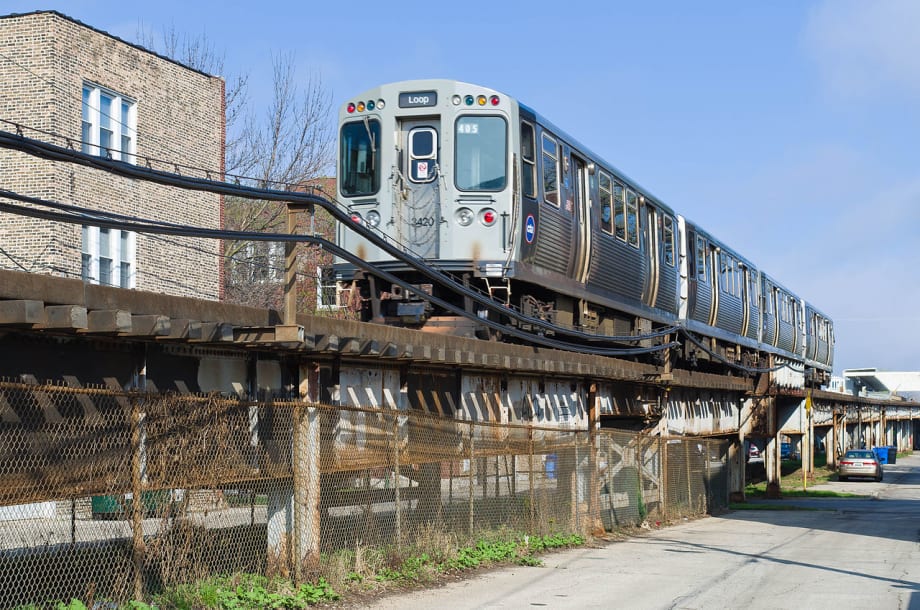
The Chicago Transit Authority’s (CTA) board approved a contract to begin design work on the Ravenswood Loop Connector Signal Project to replace a 40-year-old signal system on tracks serving the Brown and Purple Line Express between Armitage and Merchandise Mart stations. The modern signal system will enhance CTA’s ability to move trains more efficiently and safely.
This signal project complements the historic Ravenswood Loop Connector Rehabilitation Project begun by Mayor Emanuel in 2013, which has significantly modernized century-old track structure and replaced deteriorated track components. The Rehabilitation Project is expected to be completed by the end of 2015, and follows other Brown Line investments made in recent years.
“The Brown Line is one of our fastest growing lines, with ridership exploding more than 45 percent in the last 10 years,” said CTA President Dorval R. Carter Jr. “This is a key rail corridor that carries 700 trains each weekday, connecting people with jobs, education and opportunity. Mayor Emanuel has recognized the importance of making the necessary investments in our rail infrastructure to meet demand today and in the future as ridership continues to grow.”
The two Ravenswood Loop Connector projects combined will improve service to Brown and Purple Line Express customers on several fronts: modernizing tracks and structure that is more than 100 years old, and replacing a signal system installed in 1975 that is out of date and contributes to congestion issues that have developed from stronger-than-expected ridership growth on the Brown Line in the last decade.
These projects follow a number of rail investments made to improve service. Those include the Brown Line Capacity Expansion Project, substantial traction power upgrades, Brown Line slow zone remediation and the Purple Line Express Track Improvement Project that began earlier this summer.
Customer impacts during the project are expected to be minimal, with much of the work occurring during off-peak hours.
The $32.6 million contract is being awarded to Ragnar Benson Construction LLC, following a Request for Proposals process. The contractor is expected to begin the design work for the signal project this fall. The project is expected to be completed by early 2018.
More Rail
Amtrak, CN Reach Agreements to Strengthen Passenger Rail Service, Safety
The agreement resolves a more than decade-long proceeding before the Surface Transportation Board concerning the terms and conditions for Amtrak services, such as the City of New Orleans, Illini/Saluki, and Wolverine.
Read More →
New York MTA Advances Final Contract for Second Avenue Subway Expansion
Contract Four is the largest in the Second Avenue Subway Phase 2 project and includes construction of station infrastructure, tracks, and signals for the subway expansion, MTA officials said. Work on Contract Four will begin in 2027.
Read More →
San Diego MTS Breaks Monthly Trolley Ridership Record
Agency officials said July’s ridership indicates MTS’s continued recovery from the pandemic.
Read More →
Report Examines NJ TRANSIT Reliability, Funding Challenges
The Garden State Initiative analysis examines the roles of Amtrak infrastructure, fleet management, and agency operations while recommending a more performance-based approach to improving reliability.
Read More →
Stadler, CapMetro Sign Long-Term Rail Fleet Support Agreement
Beginning in 2027, Stadler will provide on-site technical expertise, spare parts support, training, and obsolescence management to help extend the reliability and longevity of CapMetro’s GTW fleet.
Read More →
Biz Briefs: Alstom Lands Canadian Contract, LYT to Supply California TSP, and More
In METRO's latest installment, we take a look at recent news from Complete Coach Works, Beep, FlixBus, and more partnerships making headlines across the transportation sector.
Read More →
CATS Gold Line Marks 5 Years of Service, 2.8M Passenger Trips
With a six-mile expansion planned, the Charlotte streetcar is positioned to connect more neighborhoods and major transit hubs across the region.
Read More →
Why Simulating Pedestrian Movement Has Become Essential for Modern Rail Stations
Pedestrian microsimulation is helping rail planners identify bottlenecks, test station designs, and prepare complex transit hubs for growing passenger volumes.
Read More →
Amtrak Begins Major Construction at New York’s Sunnyside Yard
The new maintenance facility will support Amtrak’s Airo trainsets while improving maintenance efficiency and turnaround times in New York.
Read More →
Chicago Leaders Unveil Plans for O’Hare Airport Express Train
The privately developed project would offer a 15-minute trip between downtown and O’Hare’s Terminal 2, with trains operating every 15 minutes on a dedicated track. The service would use battery-electric trains and three existing freight rail rights-of-way.
Read More →