



Chicago takes next step toward making rail system 100% accessible
Over the next year, a working group consisting of City of Chicago, CTA, ADA and disability community members, architects and others will be responsible for outlining a high-level cost estimate and schematic schedule for achieving the goal of 100% accessibility.

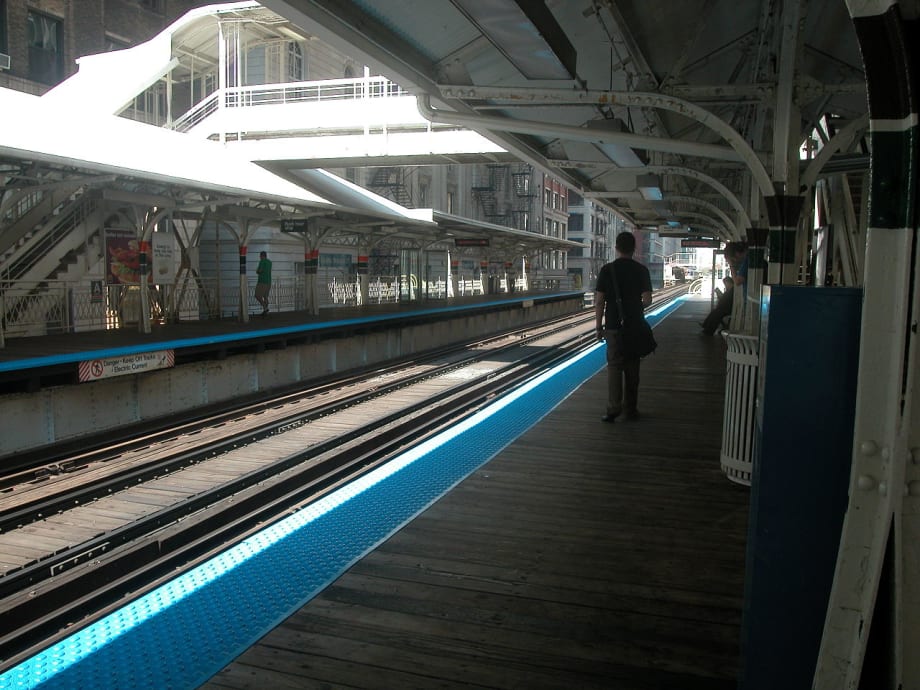
As part of Mayor Emanuel’s ongoing commitment to improve accessibility throughout the city, the Chicago Transit Authority (CTA) announced a new initiative that will establish a blueprint for making the nation’s second largest transit agency 100% accessible over the next 20 years.
During the city’s ADA 25 Chicago celebration, CTA President Dorval Carter introduced plans for the creation of the new CTA Strategic Accessibility Program — a first-ever, comprehensive plan that will outline both short-term and long-term initiatives to make the CTA’s rail system fully ADA accessible over the next 20 years and plans to either repair and/or replace existing rail system elevators.
“We’re proud of the progress we’ve made in the last 25 years, which has only been possible thanks to the strong commitment from Mayor Emanuel and the City of Chicago, as well as the involvement of the disability-rights community,” said Carter. “We do, however, recognize there is still more work to do and the creation of this new program will help map out a path for CTA to deliver on this commitment two decades from now.”
Over the next year, a working group consisting of City of Chicago, CTA, ADA and disability community members, architects and others will be responsible for outlining a high-level cost estimate and schematic schedule for achieving the goal of 100% accessibility — all of which will be dependent on funding. As part of this program, CTA will conduct public outreach to solicit feedback from the general public and disability community, which will be taken into consideration before the report is finalized sometime in early 2017.
Nearly 70% of CTA’s 145 rail stations are currently wheelchair accessible. Of the 46 stations currently not equipped with elevators, many are well over a half-century old, built well before the 1990 Americans with Disabilities Act. More than one-half of those stations are expected to receive ADA improvements in the coming years as part of larger capital improvement projects.
More Paratransit

Biz Briefs: RIPTA Unveils New Frontrunners, Clevland RTA Adds New Siemens, and More
In METRO's latest installment, we take a look at recent news from Siemens, Prevost, Dodge, and more partnerships making headlines across the transportation sector.
Read More →
King County Metro Makes ADA Paratransit Easier to Navigate
METRO's Innovative Solutions Award winner replaces complex service-area descriptions with an accessible, interactive map that puts paratransit information directly in customers’ hands.
Read More →
Jacksonville’s NAVI Project Charts a New Course for Autonomous Public Transportation
Through its NAVI program, JTA is showing how autonomous vehicles, intelligent infrastructure, and coordinated operations can work together to deliver everyday public transportation.
Read More →
Driving Smarter Paratransit
John Hanlon shares how AlphaRoute is leveraging AI-powered technology to help paratransit providers optimize operations, support frontline staff, and enhance the rider experience.
Read More →
METRO Magazine Announces 2026 Innovative Solutions Awards Winners
Projects Recognized for Advancing Mobility Through Technology, Accessibility, Workforce Innovation, and Operational Excellence
Read More →
Biz Briefs: STV teams with Amtrak, Motorcoach Operators Boost Fleet and Land Contracts, and More
From manufacturers and suppliers to transit agencies and motorcoach operators, these updates offer a snapshot of the projects, partnerships and business moves driving the industry forward.
Read More →
Biz Briefs: Masabi Teams with St. Louis Metro and More
In METRO's latest installment, we take a look at recent news from Transdev, Hitachi, and more partnerships making headlines across the transportation sector.
Read More →
New York MTA Leverages Zoning Program to Advance Station Accessibility
Accessibility enhancements at Nevins St Station will be financed through a development agreement tied to the MTA's Zoning for Accessibility initiative.
Read More →
Reinventing Fleet Maintenance with Real-time Visibility and AI
Transit leaders need to know what needs fixing, where to look, who is responsible, when work is completed, and what it costs without having to chase information across disconnected systems.
Read More →
SamTrans Sets Priorities for Potential Connect Bay Area Revenue
The board-approved framework allocates future funding to maintaining service, rider improvements, equity initiatives, and infrastructure repairs.
Read More →