




RELATED: Read the Connected Vehicles White Paper By Battelle
Cleveland RTA, Battelle team to test transit, pedestrian safety tech
By reducing bus collisions with pedestrians and other vehicles, the technology can prevent accidents and fatalities, reduce transit operator costs, and decrease travel interruptions.
February 27, 2018
Center for Neighborhood Technology/Eureka Lott
1 min to read
Center for Neighborhood Technology/Eureka Lott
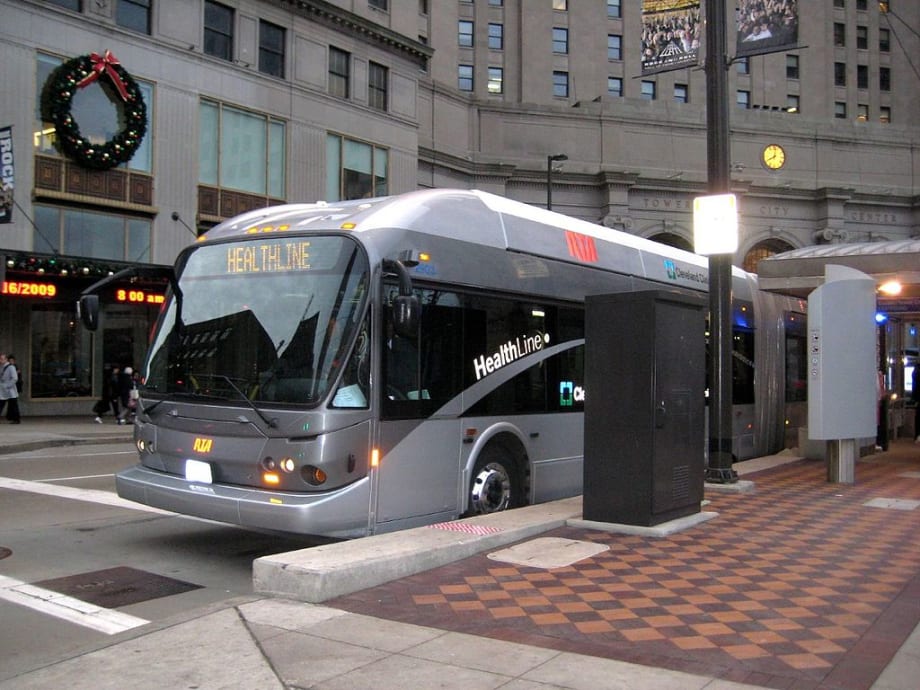
The Greater Cleveland Regional Transit Authority (GCRTA), working with Battelle, is launching a six-month project to evaluate enhanced safety systems on buses. With a grant from the Federal Transit Administration, GCRTA will test cutting-edge safety technology in 24 buses retrofitted with so-called “connected” features to better avoid collisions.
The agency installed the Enhanced Transit Safety Retrofit Package system over the past several months and will debut it on RTA buses at three locations in Downtown Cleveland.
During the evaluation phase, connected buses will collect data to evaluate system performance, safety impacts, and lessons learned. By reducing bus collisions with pedestrians and other vehicles, the technology can prevent accidents and fatalities, reduce transit operator costs, and decrease travel interruptions.
The system improves safety by notifying the bus driver when a pedestrian is in or about to enter a crosswalk in the path of the bus. The system also notifies the bus driver when another connected vehicle is turning in front of the bus as it pulls away from a stop.
The technology project uses dedicated short-range communications radio for vehicle-to-vehicle and vehicle-to-infrastructure communication, Global Positioning System for vehicle tracking, and forward looking infrared cameras for pedestrian detection.
More Security and Safety

San Diego MTS Approves New Fare Evasion Penalty Program
The new administrative process will move eligible violations out of the criminal court system, cap penalties at $125, and provide flexible payment options for riders.
Read More →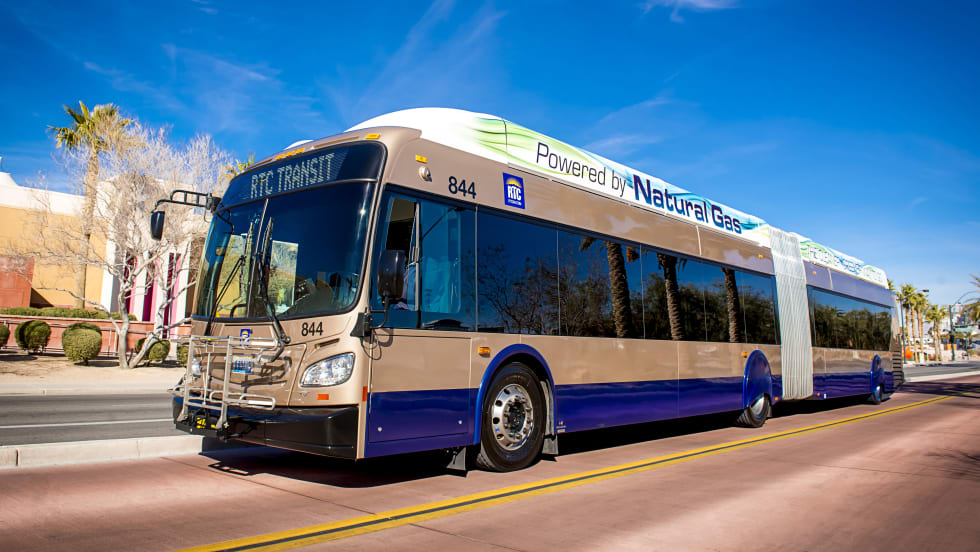
RTC of Southern Nevada Reports 29% Drop in Transit Operator Assaults
The agency credits expanded security measures, employee training, and technology investments for improvements in transit safety, while security officers have responded to 19 suspected overdoses since July.
Read More →
Public Transit Conference Returning to GFX in 2027, Call for Papers Now Open
The Call for Papers is now open, allowing transit agency professionals and industry experts to help shape the PTC educational program by submitting session ideas for consideration.
Read More →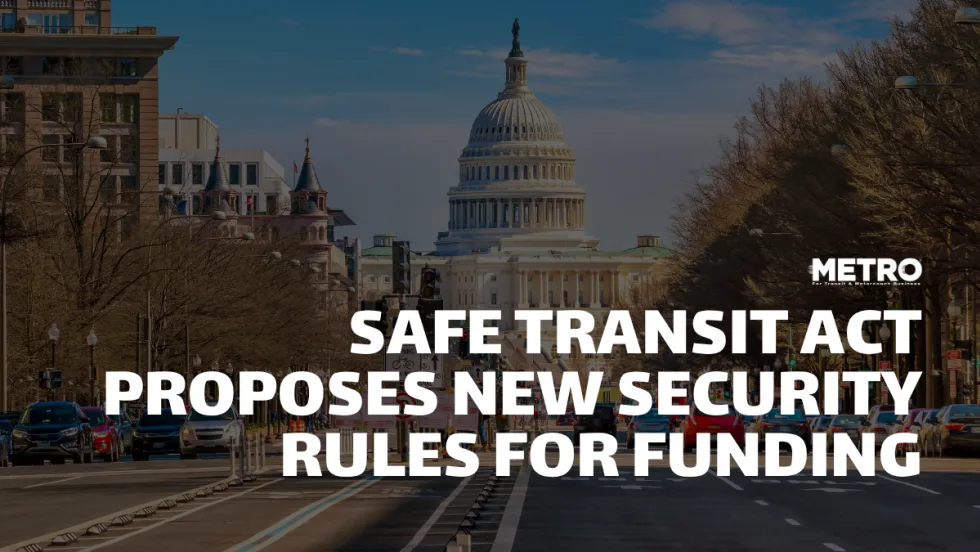
Safe Transit Act Proposes New Security Requirements for Federal Transit Funding
Proposed legislation would link federal transit dollars to safety measures while requiring security investments, onboard cameras, and new fare collection standards.
Read More →
FTA Ends Direct Oversight of MBTA Safety Actions
The federal agency closed its remaining special directive to the Massachusetts Department of Public Utilities following a safety review that began in 2022.
Read More →
Transit Agencies Highlight Safety Gains at National Summit
Leaders from 15 major transit systems shared crime-reduction results and safety initiatives while discussing the role of continued federal support.
Read More →
DART Launches Major Security, Fare Enforcement Initiative
The 90-day demonstration will deploy coordinated security teams at five light rail stations while testing controlled access and gathering data to guide future investments.
Read More →
RTD Launches NextRide App to Consolidate Trip Planning, Fares, Security Reporting
The app expands on RTD’s existing NextRide web application and allows customers to view real-time vehicle locations and service alerts, purchase and store digital fares, and access customer support.
Read More →
TAPTCO Updates OSHA Compliance Training for Transit Maintenance Operations
The revamped program addresses 26 OSHA standards for maintenance facilities, with TAPTCO pointing to training, documentation, and everyday shop hazards as continuing challenges for transit operations.
Read More →
FRA Announces $5.3B in Rail Investments, Including $2B for Amtrak
Funding will support grade-crossing improvements, infrastructure upgrades, and new Amtrak equipment in 23 states.
Read More →