




Check Out: The Route: Clean Start Ahead
Collins Bus and Lightning eMotors Expanding Type A Electric Buses
The new agreement opens their Type A school bus electrification partnership to include both GM and Ford chassis platforms.
July 19, 2022
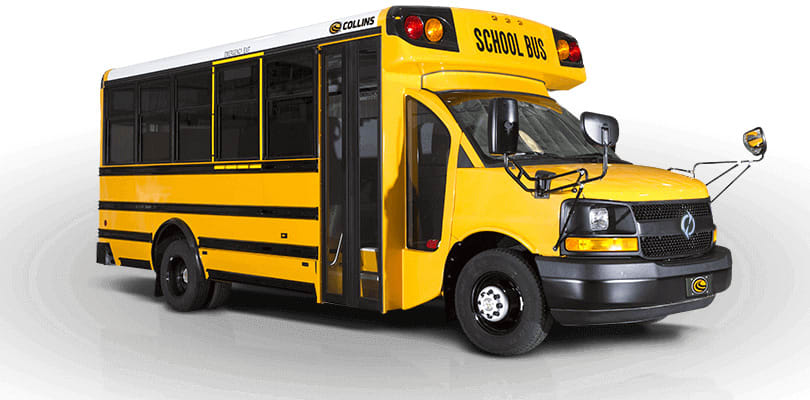
Both chassis versions of the Type A school bus have a range of about 130 miles of range.
Image: Collins Bus
3 min to read
Lightning eMotors, a provider of medium-duty and specialty commercial electric vehicles for fleets, and Collins Bus Corporation, a manufacturer of Type A school buses and a subsidiary of REV Group, Inc., announced the expansion of their zero-emission Type A school bus offering to include both GM and Ford chassis platforms.
Expansion of the Lightning eMotors-Collins Bus strategic partnership, first announced last year, comes just months after the Biden-Harris Administration, through the U.S. Environmental Protection Agency (EPA), announced $5 billion in guaranteed funding for school districts and eligible school bus operators and contractors to begin replacing the nation's fleet of school buses with clean, American-made, zero-emission buses. The funding is expected to play a critical role in accelerating the adoption of all-electric school buses across the country.
"We're excited to expand our existing partnership with Collins to include what is widely considered to be the preferred platform for the Type A school bus, the GM 4500," said Lightning eMotors CEO Tim Reeser. "By providing both GM and Ford class 4 options for Collins Bus, we are now able to mitigate the chassis constraints currently being experienced in the marketplace and accelerate delivery of zero-emission vehicles to the districts that so desperately need them."
In addition to EPA funding and state-level initiatives, the environmental and health benefits of reduced tailpipe emissions and current economic realities could make electric school buses an even more appealing option. At a time when interest rates, fuel prices, and the costs of parts and labor for repairs are at all-time highs, electric buses use no fuel and require less maintenance, thereby reducing total cost of ownership when replacing aging diesel buses or adding to school bus fleets.
"We have been extremely happy with how our customer demos have gone, and how our partnership with Tim and the Lightning team is evolving," said Todd Gibson, director of sales, Collins Bus Corporation. "We look forward to deploying dozens more Lightning-powered zero-emission Collins Type A buses in the coming months and are available to work with school districts and school bus operators nationally to understand and apply for the program."
Both chassis versions of the Type A school bus come with 125 kWh of batteries, approximately 130 miles of range, and both AC level 2 at up to 13.2 kW and DC fast charge at up to 80 kW. Hundreds of Lightning vehicles are on the road today and have accumulated over 2 million real-world, zero-emission miles.
Between government funding, low operating costs, and the potential revenue generation from Low Carbon Fuel Standard credits (in certain states) and bidirectional grid charging during nonuse times, moving to electric school buses may no longer prove a financial burden for school districts but rather an investment that pays off in the near- and long-term.
Originally posted on School Bus Fleet
More Zero Emissions

LA Metro Board Awards 220 Battery-Electric Bus Contract to ENC
The contract, which is the largest base award of battery-electric buses by a U.S. transit agency, will be built in Southern California, sustaining good jobs as LA prepares to welcome the world in 2028
Read More →
Public Transit Conference Returning to GFX in 2027, Call for Papers Now Open
The Call for Papers is now open, allowing transit agency professionals and industry experts to help shape the PTC educational program by submitting session ideas for consideration.
Read More →
Report: Transit Bus Manufacturing Supports 34,100 Jobs, $5.1B in GDP
The “Buses Mean Business” report examines the transit bus manufacturing industry’s economic footprint, supply chain, and rising demand for vehicle replacements.
Read More →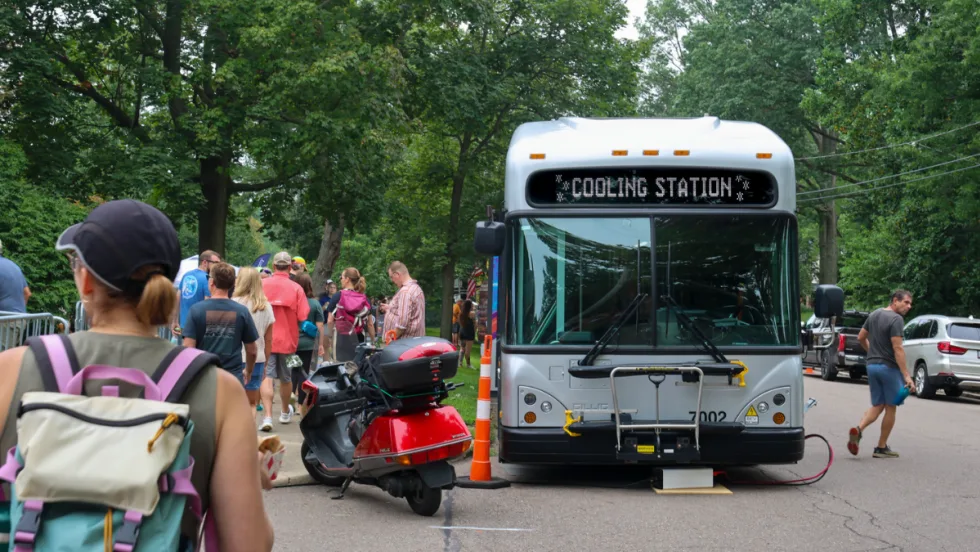
Ohio’s METRO RTA Turns Electric Buses into Mobile Power Sources at PorchROKR
See how three Gillig battery-electric buses powered festival stages while the agency’s new Park & Ride service carried approximately 1,000 attendees, demonstrating another potential use for transit agencies’ electric fleets.
Read More →
CALSTART and Forth Combine to Form Catalyst Mobility
The new name represents a renewed vision for the nonprofit focused on advancing clean, equitable, and affordable transportation solutions that move people and goods.
Read More →
Building a Flexible Path to Transit Electrification
John Hroncich discusses BAE Systems’ modular and scalable approach, lessons learned from decades of real-world operations, and how agencies can identify electrification strategies that fit their fleets.
Read More →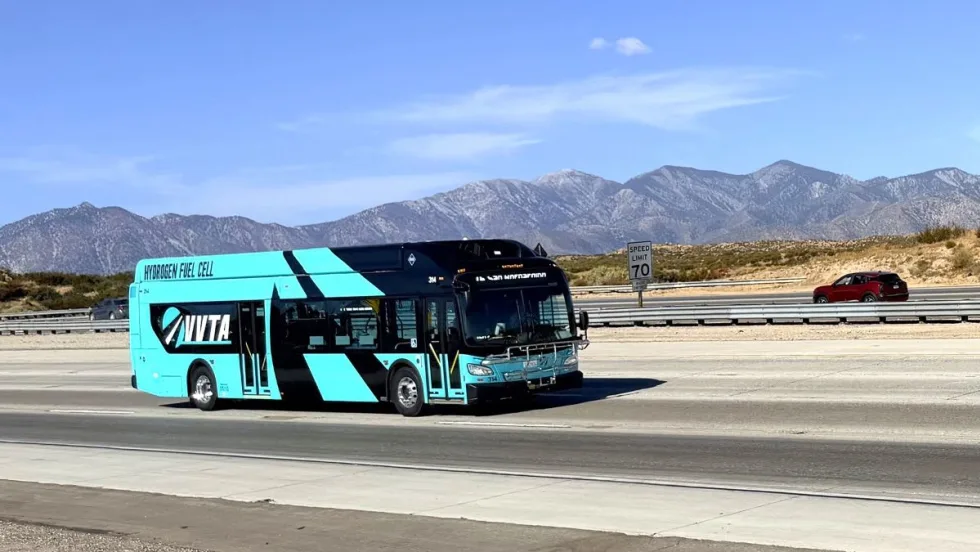
California's VVTA Begins Phased Rollout of Hydrogen Fuel Cell Buses
The agency is introducing 13 zero-emission buses into revenue service while evaluating performance across its urban, rural, and long-distance routes.
Read More →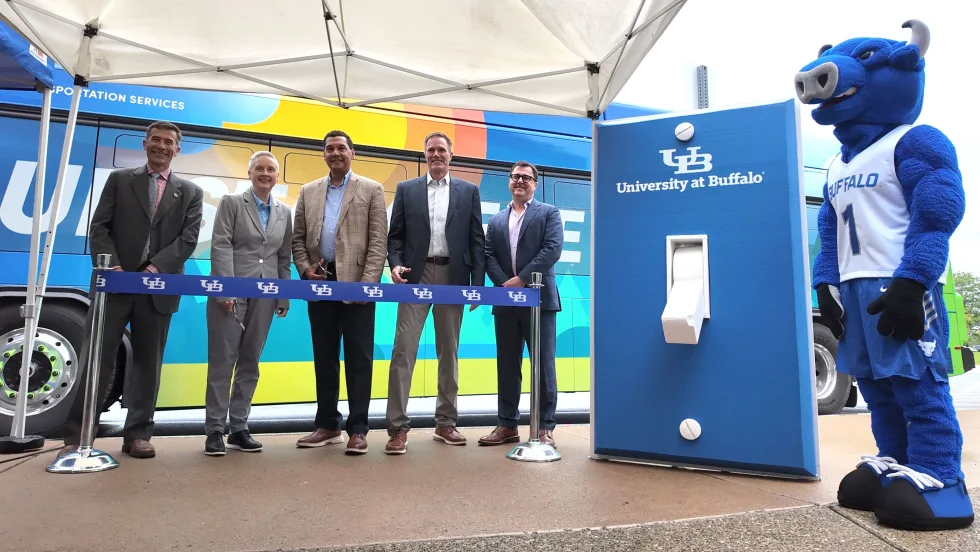
Inside Look: University at Buffalo Puts First 8 Electric Buses Into Stampede Service
UB, transportation solutions provider WeDriveU, and fleet electrification specialist Zenobē marked the deployment in the presence of students, university administrators, and local officials.
Read More →
Biz Briefs: OCTA Taps Clean Energy for Hydrogen Station, Stadler to Supply Via Rail Vehicles, and More
From manufacturers and suppliers to transit agencies and motorcoach operators, these updates offer a snapshot of the projects, partnerships and business moves driving the industry forward.
Read More →
AC Transit’s Cecil Blandon on Building the Next Generation of Transit Maintenance Leaders
The agency’s maintenance chief discusses leadership, workforce development, zero-emission technology, and preparing technicians for the future of public transportation.
Read More →