



Commuter buses serving Va. Tech upgraded
The Smart Way service introduced a larger, 57-seat motorcoach manufactured by MCI that will replace the current fleet of 32-seat buses traveling between Roanoke, Christiansburg and Blacksburg.

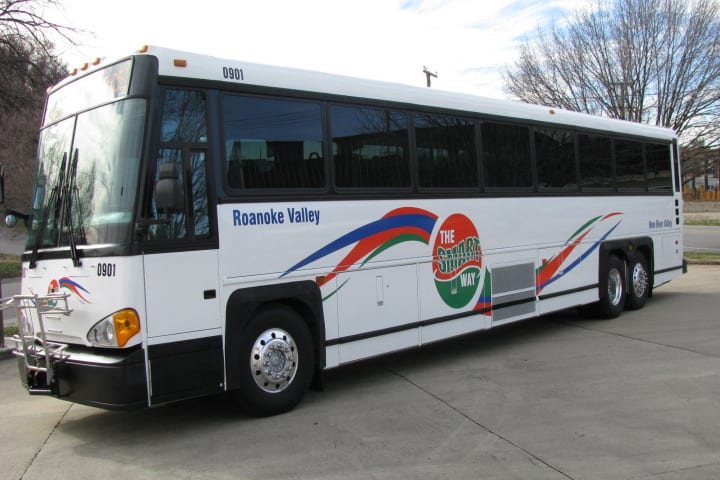
The new, 45-foot-long MCI coaches feature more space, additional luggage capacity, lumbar seating, overhead luggage bins, wireless Internet access, six 10-inch video monitors and LED lighting.
[IMAGE]Virginia-Tech-Smart-Way-Bus-full.jpg[/IMAGE]Commuting at Virginia Tech is getting smarter — in a big way. The Smart Way commuter bus service based in Roanoke, Va., introduced a larger, 57-seat motorcoach manufactured by Motor Coach Industries (MCI) that will replace the current fleet of 32-seat buses traveling between Roanoke, Christiansburg and Blacksburg.
The new, 45-foot-long MCI coaches feature more space, additional luggage capacity, lumbar seating, overhead luggage bins, wireless Internet access, six 10-inch video monitors and LED lighting. Buses also feature a wheelchair lift and bike rack. The bus was introduced Thursday during events in Roanoke and Blacksburg.
“Virginia Tech is excited to support the launch of the Smart Way motorcoach,” said Sherwood Wilson, vice president of administrative services for Virginia Tech. “Our students will appreciate the extra room and luggage space when they travel to and from the airport, and our staff, faculty and visitors will enjoy an even better ride to campus.”
Smart Way ridership is up 6.2 percent this year, and officials say they believe the new buses will help to drive additional demand. Through October, 48,927 commuters have traveled the Smart Way this year alone — an average of 4,892 per month. Since Smart Way began in 2004, the number of commuters is up nearly 150 percent.
“The Smart Way has been recognized for providing quality and convenient service that helps to reduce traffic along Interstate 81, saves our riders commuting costs, and contributes to our region’s increasing focus on sustainability,” said Carl Palmer, general manager of Greater Roanoke Transit, the company operating Valley Metro and Smart Way. “Our new motorcoaches will enhance that service by offering larger coaches with greater capacity for a more comfortable ride to connect the valleys.”
Four buses are joining the Smart Way fleet. Each bus costs $490,000, paid for through federal, state, and local sources. The new motorcoaches are scheduled to begin servicing the valleys on Jan. 4, 2010.
“Commuters are seeing the benefits and value of taking the Smart Way to travel between Roanoke and the New River Valley,” said Beverly T. Fitzpatrick Jr., executive director of the Virginia Museum of Transportation and chair of the Smart Way Advisory Committee. “This larger bus, with all the latest amenities and technology, reflects our region’s efforts to embrace public transportation.”
More Bus
Transit Expands Agency Partnerships, Reaching 200 Official App Partners
COO Jake Sion discusses Transit’s growth, the success of its Transit Royale program, and how technology is helping agencies improve the rider experience.
Read More →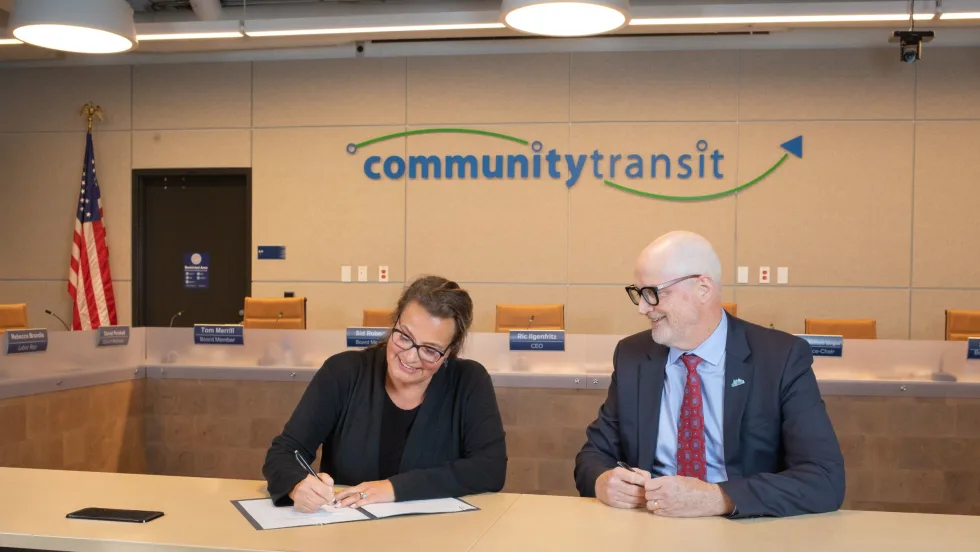
Everett Transit, Community Transit Approve Consolidation of Services
The agreement will bring Everett Transit into Community Transit’s network in April 2027, with plans to increase bus service by 50% by 2031 and expand regional connections.
Read More →
Brian Dickson on Building Stronger, More Resilient Transportation Organizations
Bus Business Consultants Founder Brian Dickson discusses the leadership principles, operational discipline, and strategic planning that separate transportation companies positioned for long-term success from those stuck in survival mode.
Read More →
LA Metro Breaks Ground on Vermont BRT Project
The 12.4-mile corridor is projected to serve 66,200 daily riders, reduce travel times by up to 24%, and create the nation's busiest bus rapid transit corridor.
Read More →
Roman Cornell on ABC Companies’ Evolution and the Future of Passenger Transportation
The company’s CEO discusses carrying forward a third-generation family legacy, ABC’s continued evolution in passenger transportation, support for increasingly complex fleets, and how technology and continued investment could help operators improve uptime.
Read More →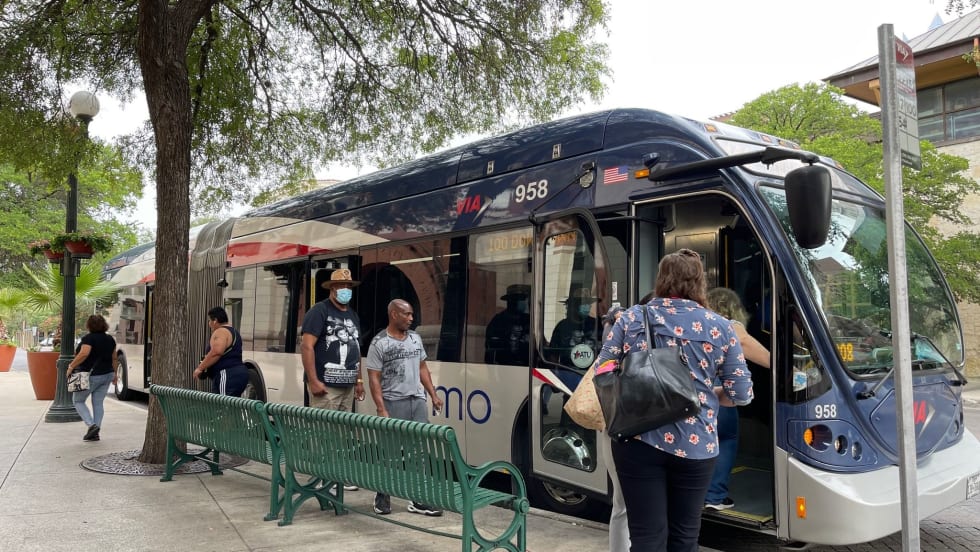
VIA Bus Ridership Grows 10.1% Through August 2026
San Antonio's VIA Metropolitan Transit reported the highest bus ridership growth among major Texas transit systems. Federal Transit Administration data ranked it second among the nation's 50 largest transit systems.
Read More →
LA Metro September Ridership Climbs 3.9%, Led by Rail Growth
The agency recorded more than 27.2 million boardings, with rail ridership increasing 12.4% year over year and the D Line posting the largest gains.
Read More →
Frontrunner Bus Group Introduces XF Low-Floor Bus with Enhanced Accessibility
The new mid-sized bus features a full flat-floor design, eight-inch curbside step-in height, and zero-entry rear ramp to improve passenger access and operational flexibility.
Read More →
Scenes from APTA TRANSform & EXPO 2026
Transit leaders, manufacturers, and industry professionals gathered in Chicago to explore new technologies, share ideas, and discuss the future of public transportation.
Read More →
More Than a Summer Job: Building the Next Generation of Transit Talent
The Delaware River Port Authority and PATCO have transformed their internship program into a hands-on professional development experience that introduces students to the breadth of transportation careers — and creates a pipeline for future employees.
Read More →