



Cubic completes Australia's Opal smart card system
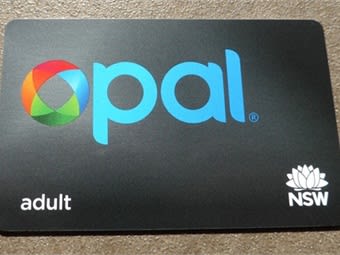
More than 1.4 million Opal cards have been distributed and 20 million free trips taken under the weekly reward scheme where after eight paid journeys the rest are free and the daily fare is capped.


Scottmacpherson
Scottmacpherson
On Dec. 1, the New South Wales Premier Mike Baird and Minister for Transport Gladys Berejiklian announced the Opal rollout on trains, buses, ferries and light rail for the greater Sydney region had been completed months ahead of schedule.
Minister Berejiklian said more people are using public transport thanks to Opal, with weekend patronage on trains up almost 12% and customers no longer standing in lengthy and frustrating Monday morning train station ticket queues every week.
RELATED:As Mobile Ticketing Makes Strides, E-fare Tech Ramps Up
The contract to build the new Electronic Ticketing System (ETS) — later branded as the Opal Card — was awarded to the Cubic-led Pearl consortium in 2010.
By December 2012, trials for the new smart card ticketing system began on a single ferry service in Sydney and the system was then rolled out progressively across the entire ferry, train, bus and light rail network. During that time 39,000 pieces of complex electronic devices were installed, linking 5,000 buses, 308 train stations, 40 ferry wharves and 23 light rail stops to the Cubic-designed central computer system that controls the ticketing network.
With completion of delivery, Cubic has commenced operation and maintenance of the Opal system under the 10-year services agreement that is part of the original contract.
More than 1.4 million Opal cards have been distributed and 20 million free trips taken under the weekly reward scheme where after eight paid journeys the rest are free and the daily fare is capped.
More Management

METRO Opens Submissions for 2026 Motorcoach Awards
Nominations are now being accepted for METRO Magazine’s Operator of the Year and Innovative Operator of the Year awards.
Read More →
New York MTA Advances Final Contract for Second Avenue Subway Expansion
Contract Four is the largest in the Second Avenue Subway Phase 2 project and includes construction of station infrastructure, tracks, and signals for the subway expansion, MTA officials said. Work on Contract Four will begin in 2027.
Read More →
Transit Agencies Highlight Safety Gains at National Summit
Leaders from 15 major transit systems shared crime-reduction results and safety initiatives while discussing the role of continued federal support.
Read More →

NITA Names New Leadership, Expands Reduced-Fare Program at First Board Meeting
The new regional transit authority appointed its first board chair and interim executive director while extending reduced fares across CTA, Metra, and Pace for eligible riders.
Read More →
Beyond the Checklist: A Structured Approach to Transit Maintenance
Reliability-Centered Maintenance helps transit agencies move beyond routine checklists to focus limited resources on the assets and failures that have the greatest impact on safety, reliability, and service.
Read More →
APTA 2026 Nominating Committee Selects Leadership Slate, Names Chair and Vice Chair Nominees
Leadership changes will help shape the association’s priorities and its representation of the transportation industry during the 2026–2027 term.
Read More →
DART Launches Major Security, Fare Enforcement Initiative
The 90-day demonstration will deploy coordinated security teams at five light rail stations while testing controlled access and gathering data to guide future investments.
Read More →
Advancing Fare Collection Through Technology and Innovation
Learn about delivering 1300 gates at 91 stations while managing fare evasion. Explore the large scale deployment, solution customization and real-world results that affect the region. Prepare for deployment in your region now.
Read More →
Game Day in Motion: Moving Millions During the 2026 World Cup
Between packed transit stations and team motorcoaches, see how agencies and operators across North America tackled the transportation demands of the 2026 FIFA World Cup.
Read More →
Surface Transportation Extension Averts Shutdown, Leaves Transit Funding Gap
The stopgap keeps federal transportation programs moving, but missing advance funding could complicate the transit and rail projects agencies are planning next.
Read More →