



CUTA Report Examines Zero-Emission Bus Readiness
CUTA’s 2025 ZEB Readiness and Procurement Survey shows growing readiness among transit systems, while also highlighting short-term shifts in procurement strategies.


Nationally, reported readiness rose by about 15%, with every region outside Ontario describing higher confidence in their ability to move forward.
Photo: Nova Bus
Canada’s transit sector is moving forward on ZEBs, but with a mix of progress and caution, according to a Canadian Urban Transit Association’s (CUTA) report.
CUTA’s 2025 ZEB Readiness and Procurement Survey shows growing readiness among transit systems, while also highlighting short-term shifts in procurement strategies.
Report Findings
Nationally, reported readiness rose by about 15%, with every region outside Ontario describing higher confidence in their ability to move forward. Several agencies that were once only researching ZEBs have advanced to planning or early implementation stages.
Procurement intentions, however, reflect a more cautious approach. Battery electric buses made up 66% of short-term (zero to three years) procurement plans in 2024, but only 42% in 2025.
In the medium term (four to six years), the share also fell from 88% to 66%. At the same time, hybrid and diesel plans increased, particularly in Ontario and the Maritimes. In Ontario, diesel procurement in the four- to six-year range rose by 16%.
The reasons are complex. Agencies cited the cost of infrastructure, challenges in working with utilities, and local power limitations. Although many systems are investing in garage upgrades and charging facilities, regional approaches vary, according to the report.
Proposed Solutions
Survey respondents also identified where federal support would be most useful. Priorities included predictable, long-term funding commitments, assistance with infrastructure and utility coordination, and simplified funding application processes.
Some agencies noted that evolving U.S. tariffs could also affect costs and procurement timelines, underscoring the influence of international policy on local planning.
The findings point to a maturing conversation within the sector. Transit systems are moving beyond broad discussions of electrification and focusing instead on the technical and financial realities of implementation.
For governments, the message is consistent: agencies are preparing for a ZEB future, but require policy stability and infrastructure support to deliver on their plans. For riders and the public, the transition may take longer than initially anticipated, with diesel and hybrid vehicles continuing to play a role in the mix, according to CUTA officials.
More Zero Emissions

Report: Transit Bus Manufacturing Supports 34,100 Jobs, $5.1B in GDP
The “Buses Mean Business” report examines the transit bus manufacturing industry’s economic footprint, supply chain, and rising demand for vehicle replacements.
Read More →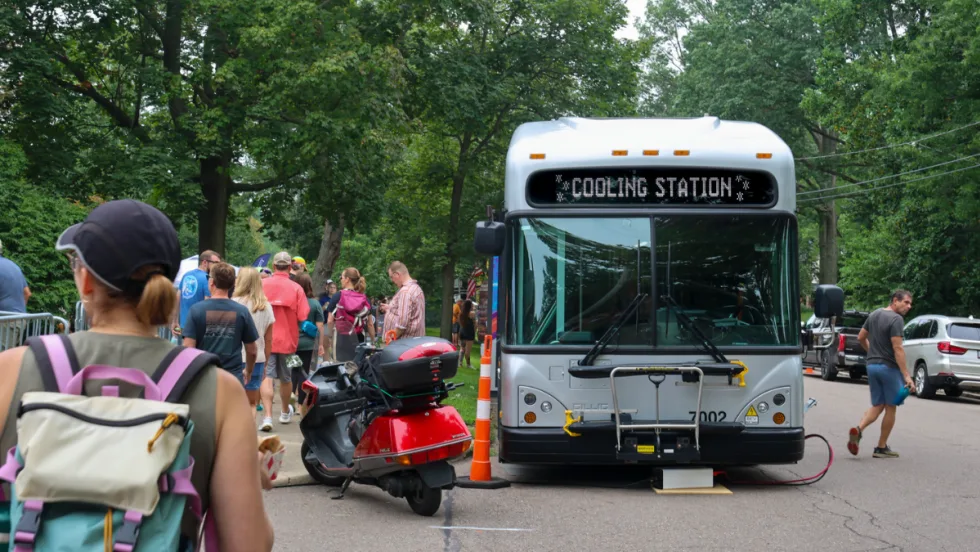
Ohio’s METRO RTA Turns Electric Buses into Mobile Power Sources at PorchROKR
See how three Gillig battery-electric buses powered festival stages while the agency’s new Park & Ride service carried approximately 1,000 attendees, demonstrating another potential use for transit agencies’ electric fleets.
Read More →
CALSTART and Forth Combine to Form Catalyst Mobility
The new name represents a renewed vision for the nonprofit focused on advancing clean, equitable, and affordable transportation solutions that move people and goods.
Read More →
Building a Flexible Path to Transit Electrification
John Hroncich discusses BAE Systems’ modular and scalable approach, lessons learned from decades of real-world operations, and how agencies can identify electrification strategies that fit their fleets.
Read More →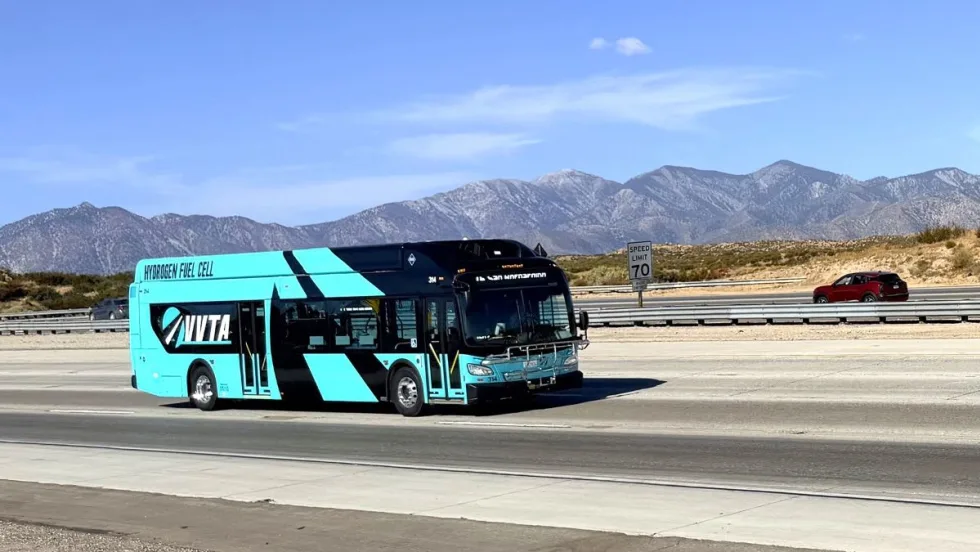
California's VVTA Begins Phased Rollout of Hydrogen Fuel Cell Buses
The agency is introducing 13 zero-emission buses into revenue service while evaluating performance across its urban, rural, and long-distance routes.
Read More →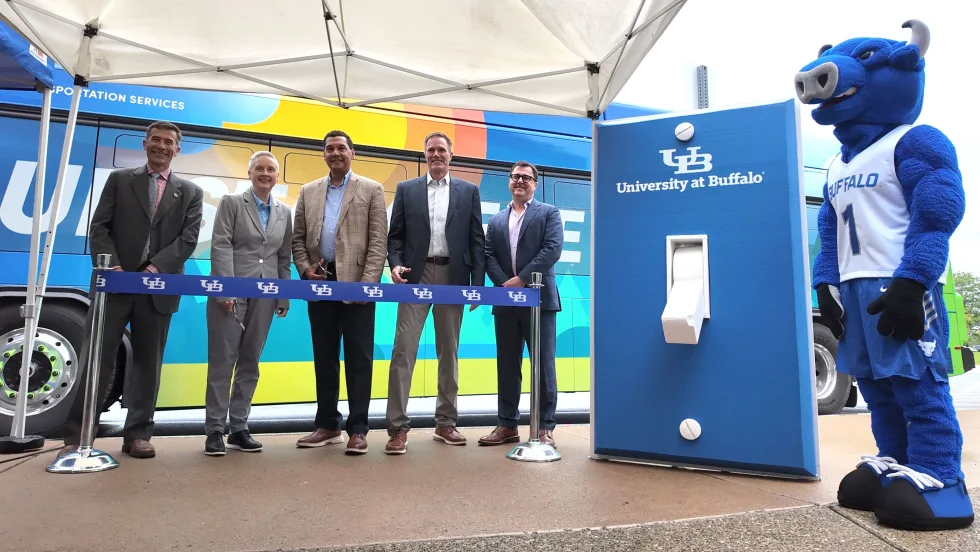
Inside Look: University at Buffalo Puts First 8 Electric Buses Into Stampede Service
UB, transportation solutions provider WeDriveU, and fleet electrification specialist Zenobē marked the deployment in the presence of students, university administrators, and local officials.
Read More →
Biz Briefs: OCTA Taps Clean Energy for Hydrogen Station, Stadler to Supply Via Rail Vehicles, and More
From manufacturers and suppliers to transit agencies and motorcoach operators, these updates offer a snapshot of the projects, partnerships and business moves driving the industry forward.
Read More →
AC Transit’s Cecil Blandon on Building the Next Generation of Transit Maintenance Leaders
The agency’s maintenance chief discusses leadership, workforce development, zero-emission technology, and preparing technicians for the future of public transportation.
Read More →
CTDOT Taps STV for Electric Bus Facility Design
The firm will work with CTDOT and RVT to define the facility layout, operational requirements, and long-term flexibility for RVT’s growing electric fleet.
Read More →
Chicago’s Pace Deploys 24 Hybrid-Electric Buses in Will County
The new buses reduce emissions and fuel consumption while advancing the agency's long-term goal of transitioning to a fully zero-emission fleet.
Read More →