



D.C. Metro grows projects investment by $160M
The aggressive capital program, known as Metro Forward, includes projects to replace 95 buses; rehabilitate 100 buses, 42 escalators and 21 elevators; install event recorders on the 1000- and 4000-series railcars, and continue the rehabilitation of track and structures maintenance on the Red, Orange and Blue lines.

Washington Metropolitan Area Transit Authority’s (Metro) investment in projects to rebuild and modernize its railroad, trains, stations and buses grew by 26% to $770 million in FY2012, an increase of nearly $160 million, and is on track to continue ramping up to nearly a billion dollars this year, following years of underinvestment in maintaining the system.
In a presentation to the Metro Board Finance & Administration Committee, Metro staff will provide a detailed update on progress to rebuild the system.
“What these charts and graphs tell us is that customers are starting to benefit from more reliable service with a newer fleet of vehicles, and upgraded track and track components. These investments are also starting to deliver more reliable escalators and elevators following extensive modernization and replacement projects,” said Marcel Acosta, chair of the Board Finance & Administration Committee.
The fiscal year 2013 capital budget accelerates efforts to rebuild Metro. In the coming weeks, Metro will open the new Shepherd Parkway bus facility in Southwest Washington, D.C., and reopen the south entrance of the Dupont Circle station upon completion of the entrance escalator replacement project.
“Most importantly, we are making significant progress addressing federal safety recommendations and improving reliability by upgrading and replacing thousands of moving parts that make the system work,” said Metro GM and CEO Richard Sarles.
For example, during the year, Metro welded 1,229 joints, rehabilitated 1,445 linear feet of floating slabs and replaced 2,679 rail signs, 12 miles of running rail, and 21,336 cross ties.
The aggressive capital program, known as Metro Forward, includes projects to replace 95 buses; rehabilitate 100 buses, 42 escalators and 21 elevators; install event recorders on the 1000- and 4000-series railcars, and continue the rehabilitation of track and structures maintenance on the Red, Orange and Blue lines.
The report includes significant accomplishments over the last year, including:
• Rehabilitation of 36 escalators throughout the system
• Replacement of three escalators at Foggy Bottom station
• Rehabilitation of four elevators
• Acquisition of 166 new Metrobuses to replace older buses that have been removed from service
• Rehabilitation of 100 buses in midlife overhaul program
• Acquisition of 213 new paratransit vehicles
Metro’s aggressive schedule of work to rebuild the system over the past two years and proposed work schedule for the next several years will enable the transit system to catch up on maintenance projects including replacing ties, fasteners, frogs and running rail. Clearing the backlog on such maintenance projects caused by years of underinvestment will enable Metro to achieve a steady state of maintenance on the rail system by 2018, resulting in a safer, more reliable ride for customers.
In fiscal 2012 Metro also continued to advance critical work to meet NTSB recommendations, including the completion of a key recommendation to install Guarded #8 rail switches. Between 2008 and 2012, Metro installed 108 of the recommended 178 Guarded #8 switches, including 64 over the past two years. In addition, Metro moved ahead with the 7000-series rail car project to replace the 1000-series fleet, and continued work on track circuit and power cable replacement.
More Bus

Finding the ‘Happy Medium’: Optimizing Maintenance Without Sacrificing Reliability
The key to maintenance optimization isn’t doing less work—it’s doing the right work at the right time on the right assets.
Read More →
LA Metro, City of West Hollywood, and Partners Advance Smarter Bus Lane Enforcement
The award-winning partnership combines AI-powered detection with human oversight to improve bus reliability, accessibility, and enforcement efficiency.
Read More →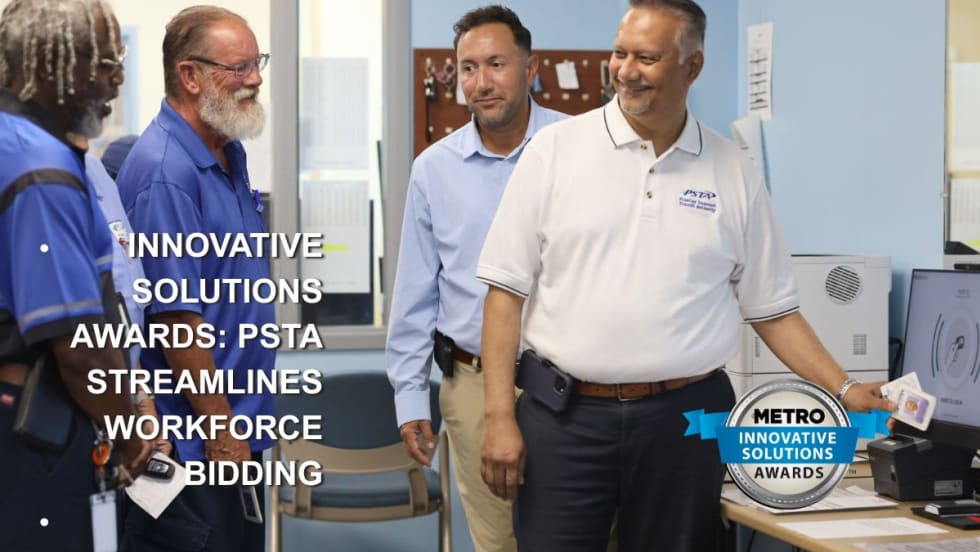
PSTA Modernizes Workforce Management with Digital Bidding System
The award-winning Workforce Transit Modernization project replaced paper bidding with a transparent digital platform, cutting administrative effort while improving access for operators.
Read More →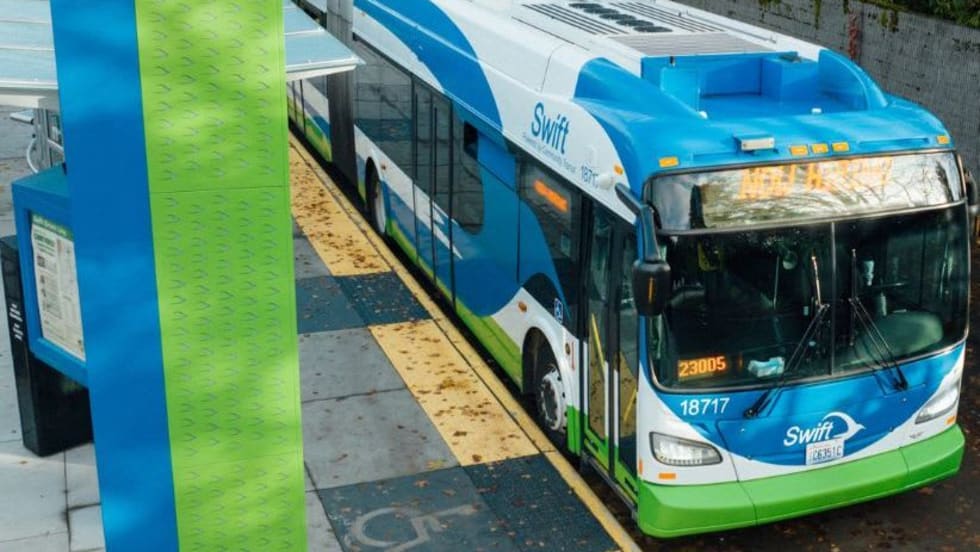
Washington's Community Transit Sets Six-Year Roadmap for Growth, Expansion
Approved TDP targets more bus service, new mobility options, Swift BRT expansion, and a potential Everett Transit annexation.
Read More →
DART Customer Satisfaction Reaches Six-Year High
Overall satisfaction rose to 74.9%, while the agency’s Net Promoter Score reached a record 33.7.
Read More →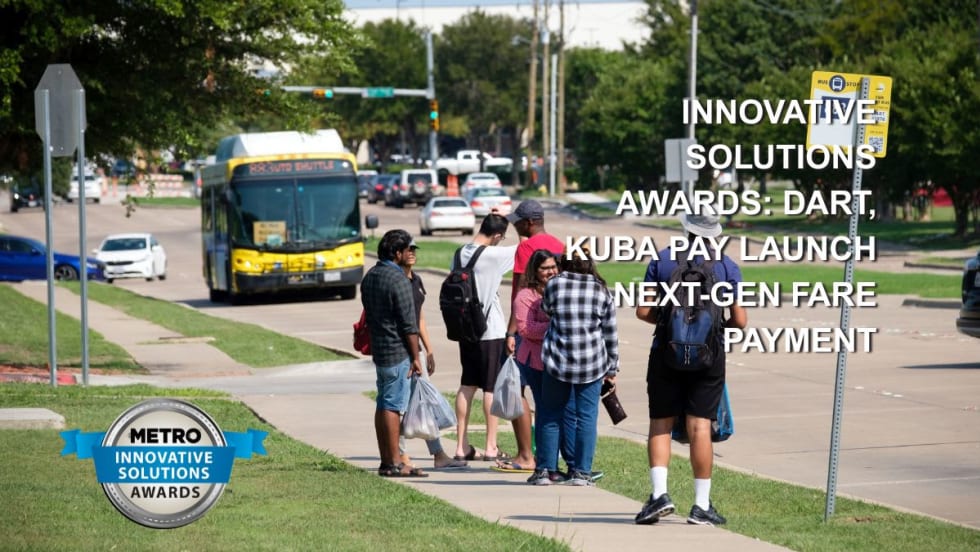
How DART's GoPass Is Redefining Regional Mobility
Serving 14 transit agencies, GoPass simplifies multimodal travel by allowing riders to plan, pay for, and manage an entire trip through one app.
Read More →
Biz Briefs: OCTA Taps Clean Energy for Hydrogen Station, Stadler to Supply Via Rail Vehicles, and More
From manufacturers and suppliers to transit agencies and motorcoach operators, these updates offer a snapshot of the projects, partnerships and business moves driving the industry forward.
Read More →
METRO Magazine Announces 2026 Innovative Solutions Awards Winners
Projects Recognized for Advancing Mobility Through Technology, Accessibility, Workforce Innovation, and Operational Excellence
Read More →
Biz Briefs: STV teams with Amtrak, Motorcoach Operators Boost Fleet and Land Contracts, and More
From manufacturers and suppliers to transit agencies and motorcoach operators, these updates offer a snapshot of the projects, partnerships and business moves driving the industry forward.
Read More →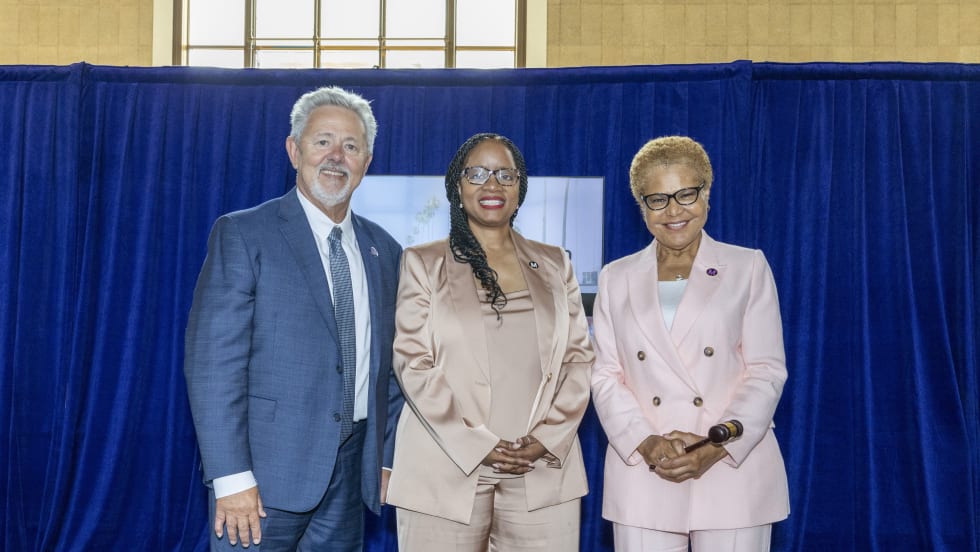
LA Metro Marks Banner Year, Sets Ambitious Goals for New Fiscal Year
Incoming LA Metro Board Chair and Los Angeles Mayor Karen Bass joined outgoing Board Chair Fernando Dutra and LA Metro CEO Stephanie Wiggins to review accomplishments from fiscal year 2026, which included the opening of new rail extensions, advancement of major transit projects, expanded safety programs, and new rider amenities.
Read More →