



D.C. Metro launches 'close call' reporting system
Pilot program designed to enhance safety by increasing the opportunity for employee reporting of incidents or situations that have the potential for more serious consequences.

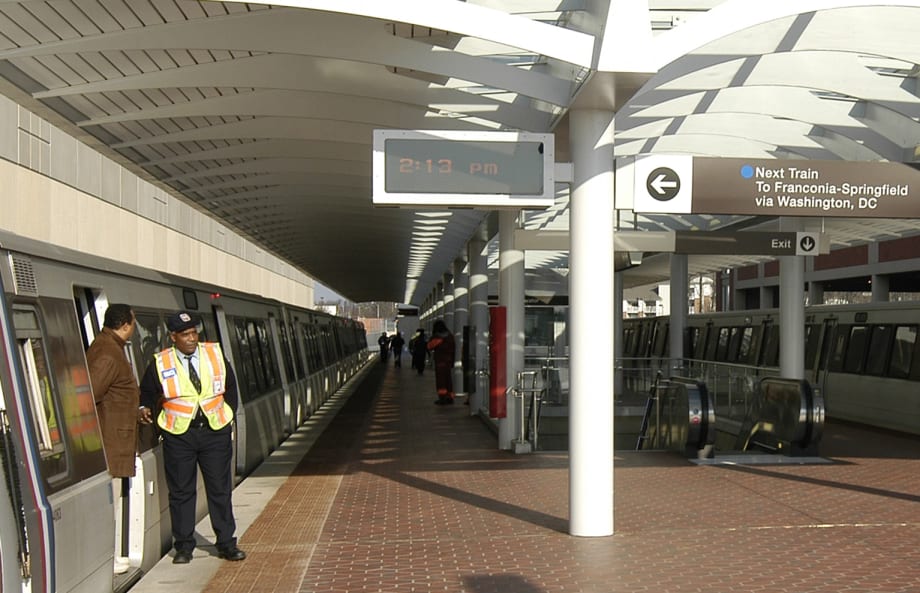
Largo Towne Center Metro rail station. WMATA photo by Larry Levine
The Washington Metropolitan Area Transit Authority (Metro), in partnership with the ATU Local 689, is launching a new pilot program designed to enhance safety by increasing the opportunity for employee reporting of incidents or situations that have the potential for more serious consequences. Metro will become the first rail transit agency in the nation to promote a confidential “Close Call Transit Safety Reporting System.”
While Metro has instituted many safety initiatives to report safety concerns, close call reporting provides another avenue of reporting incidents confidentially, which will enable employees to keep a constant focus and attention to safety. These incidents will not be subject to administrative discipline, but the knowledge of their existence is critical in maintaining and changing the safety culture, according to Metro.
“We want to know what we don’t know, and Close Call reporting is a proven way of gathering information at a stage when we can act to prevent more serious safety incidents, reverse bad habits or address emerging trends,” said Metro GM/CEO Richard Sarles.
Confidentiality for employees who report close calls is critical for success of the pilot. It allows them to report events that would otherwise go unreported, without fear of possible discipline.
The partnership also includes the U.S. Department of Transportation’s Bureau of Transportation Statistics (BTS), a part of the Research Innovative Technology Administration, to help manage the project and take confidential safety reports from employees.
Beginning this summer, Metro employees who see or experience unsafe conditions can submit a report to BTS. To maintain confidentiality, BTS removes all identifying information, conducts interviews with employees who submit reports, and then presents information about emerging trends and new sources of risks to a joint Metro/Labor committee known as the Peer Review Team. This trained team, which works under a strict confidentiality agreement required by BTS, will meet regularly to establish root causes of reported events and recommend actions Metro should take to stop them from reoccurring.
BTS has more than six years’ experience in the same role for Canadian Pacific Railway, Union Pacific Railroad and New Jersey Transit in the Federal Railroad Administration’s separate and ongoing Confidential Close Call Reporting System (C3RS) pilot.
“While reporting will be confidential, this program does not eliminate employee accountability for serious rules violations such as signal adherence,” said Metro Deputy GM, Operations, Rob Troup.
RELATED:Bombardier track safety tech lauded.
More Rail
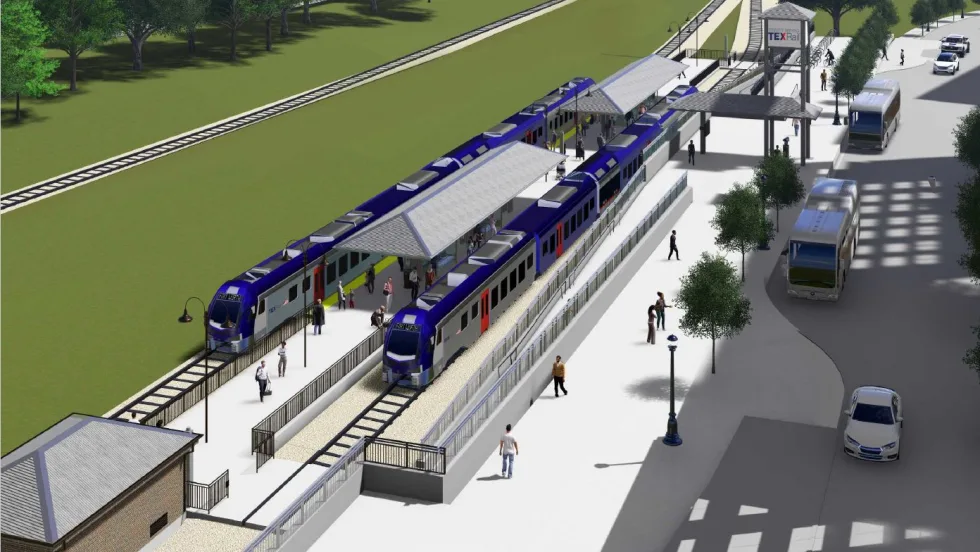
Trinity Metro Breaks Ground on $270M TEXRail Extension
The 2.1-mile extension will connect Fort Worth’s Medical District and Near Southside to downtown, surrounding communities, and Dallas-Fort Worth International Airport.
Read More →
Bringing Austin’s First Light Rail System to Life
Austin Transit Partnership CEO Greg Canally discusses the city's nearly 10-mile light rail project, its collaborative approach to project delivery, the importance of community engagement, and the milestones ahead as construction approaches in 2027.
Read More →
Metra Draft Plan Outlines Costs, Service Improvements for Regional Rail
The Systemwide Network Plan identifies infrastructure needs and potential investments to expand all-day, bidirectional rail service across the Chicago region.
Read More →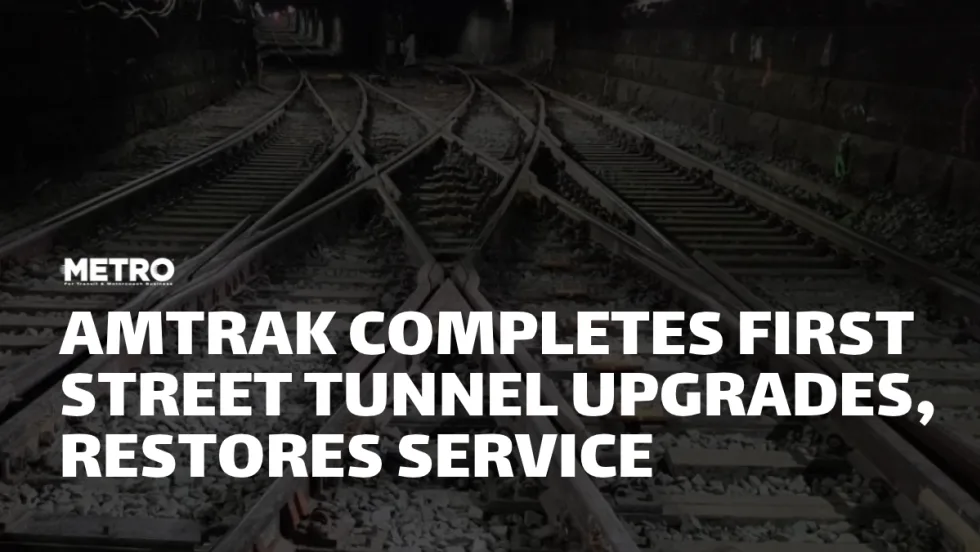
Amtrak Completes First Street Tunnel Upgrades, Restores Service
The nine-day construction project included replacing aging track infrastructure and modernizing switch systems near Washington Union Station.
Read More →
FRA Announces $2.3B for Passenger, Freight Rail Projects Nationwide
The CRISI Grant Program funding will support rail infrastructure improvements, safety upgrades, and projects aimed at improving freight and passenger rail service across 45 states and Washington, D.C.
Read More →
Caltrain’s Electrification Drives a New Era of Ridership Growth
The railroad’s shift to electric service has brought more frequent trains, stronger customer satisfaction, and increased ridership, earning it APTA’s Outstanding Public Transportation System award.
Read More →
FTA Advances $164M Broward County Commuter Rail Project
The proposed 10.5-mile commuter rail extension would connect Fort Lauderdale and Aventura, expanding passenger rail options in South Florida.
Read More →
New York MTA Launches Historic $1.9B Signal, Track Modernization Project
Funded in part by congestion pricing revenue, the project will replace nearly century-old signals along the A and C lines in Brooklyn and Queens.
Read More →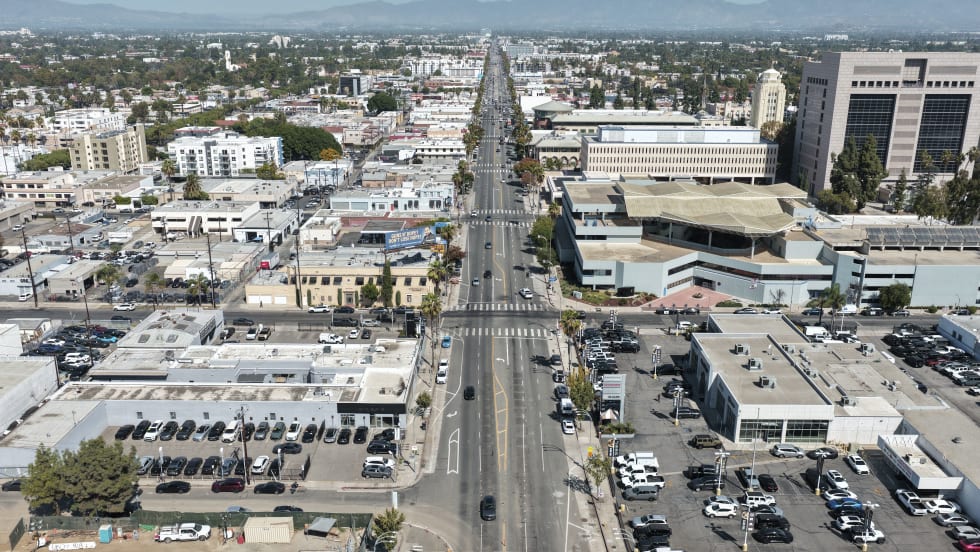
LA Metro Breaks Ground on East San Fernando Valley Light Rail Project
The 6.7-mile line will add 11 stations along Van Nuys Boulevard, expand access to jobs and regional transit connections, and support Metro’s broader efforts to improve mobility as rail ridership grows.
Read More →
CSA Group Releases Climate Resilience Standard for Transit, Passenger Rail
Developed with support from the Standards Council of Canada, CSA D700 guides assessing climate-related risks and planning adaptation measures for transit and passenger rail systems.
Read More →