



D.C. Metro to preserve service without fare hikes
The $1.4 billion operating budget for Fiscal Year 2012 maintains the current level of rail, bus and paratransit services. The agency is doing more, while becoming more resource efficient. More than 91 cents of every Metro operating dollar directly funds core services, with only 9 cents funding support functions.

Washington Metropolitan Area Transit Authority (Metro) GM Richard Sarles proposed a $1.4 billion operating budget for Fiscal Year 2012 that maintains the current level of rail, bus and paratransit services without increasing fares. His proposed budget is the first step in a six-month-long budget planning process before the board of directors adopts a budget in June, in time to begin the new fiscal year on July 1.
"Fully funding Metro is vital to our ability to build our new safety culture, as well as provide a robust schedule of services for riders and continue to serve as an economic engine for the region," Sarles said on Thursday, when he presented his budget proposal to the Metro Board Finance and Administration Committee.
Over the past year, Metro has made significant progress in safety, service reliability and financial stability. Through a board- and management-led series of strategic investments and organizational changes, the agency has begun to build a safety culture, take action on National Transportation Safety Board recommendations, and address other crucial safety and state-of-good-repair capital needs through the rehabilitation of aging infrastructure and rolling stock.
In fact, the FY2012 annual capital program of work advances 140 projects that address safety and state of good repair needs on the system — with respect to both infrastructure and rehabilitation of equipment — as well as planning for future expansion, including a new rail extension to the Washington Dulles International Airport.
Operationally, the transit agency is doing more, while "simultaneously becoming more resource efficient," Sarles said. More than 91 cents of every Metro operating dollar directly funds core services, with only nine cents funding support functions. During the last three years, Metro has implemented $165 million in business efficiencies through consolidations, suspending non-essential programs and automating certain functions.
In the coming fiscal year, the proposed budget accounts for the elimination of an additional $74.2 million in operating budget requirements without adversely impacting customers or laying off Metro employees who live in the region and contribute to the local economy.
Even with an aggressive program of management efficiencies, in the coming year, Metro faces substantial cost drivers, including wages and fringe benefits, paratransit service growth and carryover that increases the base budget by $85.8 million.
Last year, rather than bear service reductions, Metro riders said they preferred to contribute more to support core services and Metro riders stepped up support for their transit service by shouldering a fare increase that will generate about $100 million this year. The jurisdictions also stepped up support by increasing contributions by $25 million.
To ensure Metro stays on the path of improvement and delivers core services to support the growth of the region, GM's proposed budget continues current levels of service on all transit modes, as well as funds the level of effort necessary to support core services and a robust capital program.
The budget proposal calls for $72.4 million of additional funding for the system through a slate of alternatives including: wage reserves; increased subsidies from the jurisdictions; commercial revenues through monetized ground leases and marketing station naming rights; and funding preventive maintenance at FY2010 levels.
More Bus

Scenes from APTA TRANSform & EXPO 2026
Transit leaders, manufacturers, and industry professionals gathered in Chicago to explore new technologies, share ideas, and discuss the future of public transportation.
Read More →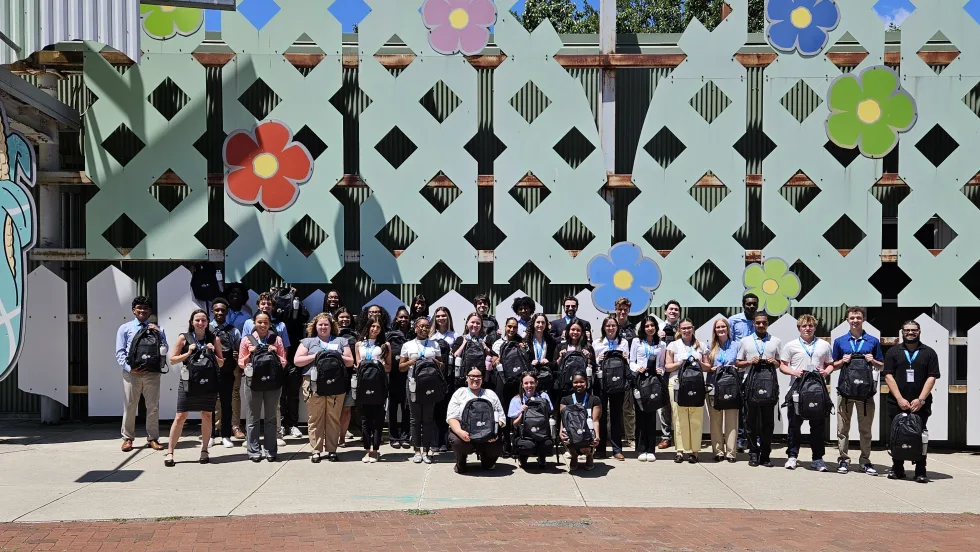
More Than a Summer Job: Building the Next Generation of Transit Talent
The Delaware River Port Authority and PATCO have transformed their internship program into a hands-on professional development experience that introduces students to the breadth of transportation careers — and creates a pipeline for future employees.
Read More →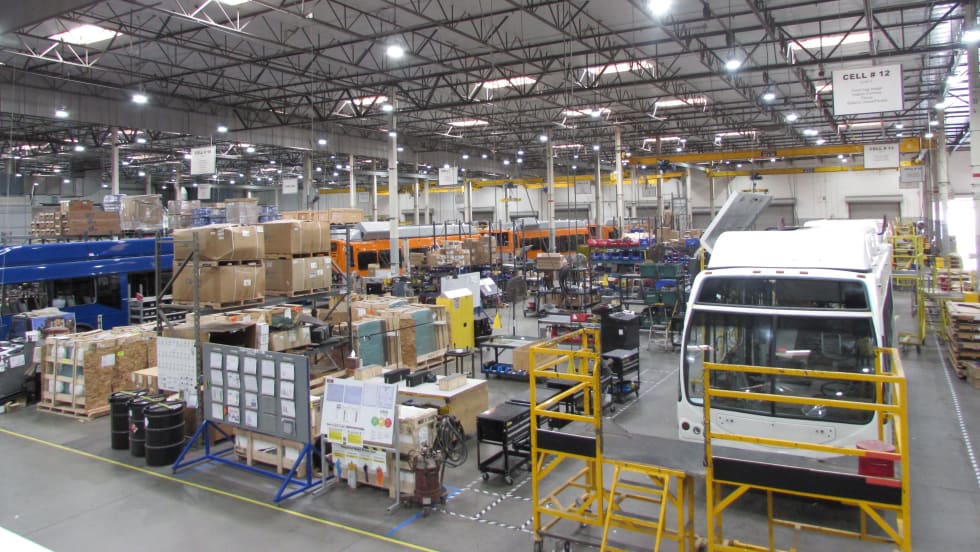
LA Metro Board Awards 220 Battery-Electric Bus Contract to ENC
The contract, which is the largest base award of battery-electric buses by a U.S. transit agency, will be built in Southern California, sustaining good jobs as LA prepares to welcome the world in 2028
Read More →
Public Transit Conference Returning to GFX in 2027, Call for Papers Now Open
The Call for Papers is now open, allowing transit agency professionals and industry experts to help shape the PTC educational program by submitting session ideas for consideration.
Read More →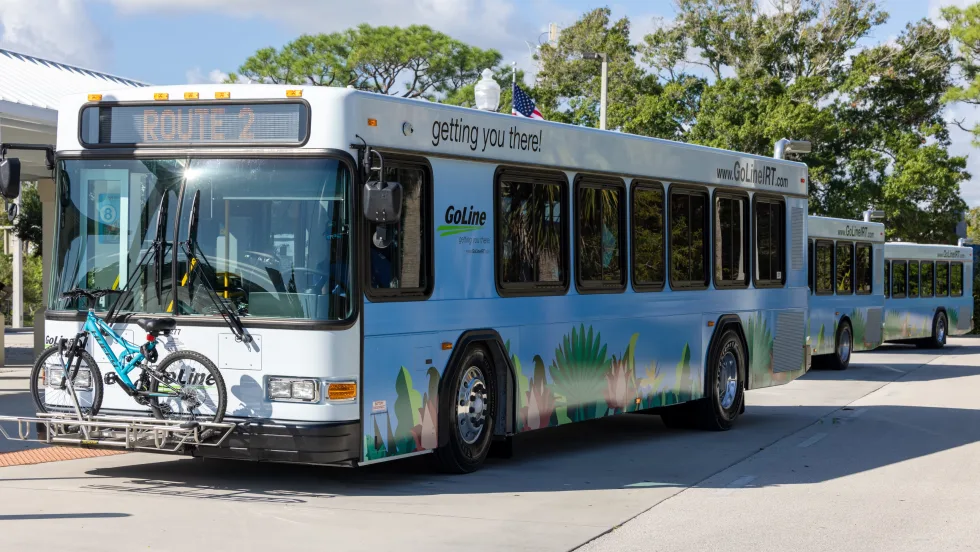
Indian River Transit’s Community-Focused Approach Earns National Recognition
Named APTA’s 2026 Outstanding Public Transportation System in its size category, Florida’s Indian River County transit system continues to grow ridership through fare-free service and a focus on evolving community needs.
Read More →
ENC Lands MATA Contract and More in Biz Briefs
In this edition of Biz Briefs, we spotlight the latest developments shaping the future of mobility.
Read More →
From Surviving to Thriving: Building Stronger Transportation Organizations
Bus Business Consultants founder Brian Dickson shares lessons on leadership, organizational health, and creating options for long-term success in a changing transportation industry.
Read More →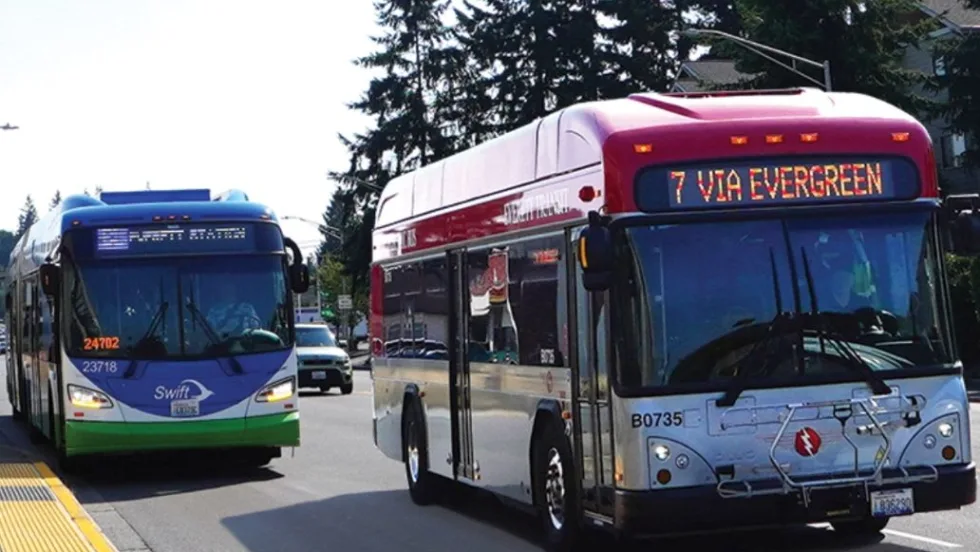
Everett Transit, Community Transit Outline Consolidation Agreement
The proposed agreement calls for a 50% increase in bus service in Everett, a new microtransit zone, continued paratransit service, and the transfer of Everett Transit operations to Community Transit.
Read More →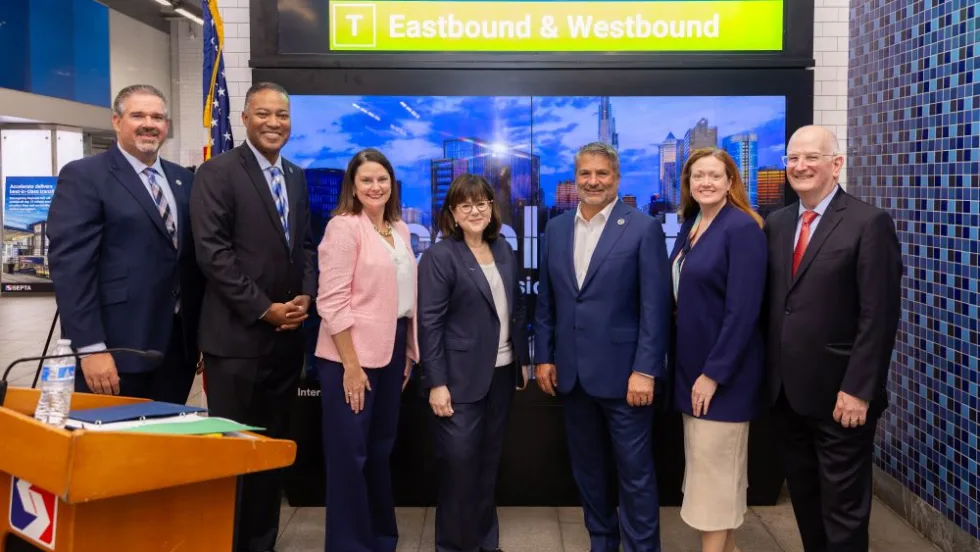
SEPTA Details Accelerate Vision for Transit System
The plan outlines investments in trolley modernization, new Metro and Regional Rail vehicles, accessible stations, and more frequent bus and rail service.
Read More →
Report: Transit Bus Manufacturing Supports 34,100 Jobs, $5.1B in GDP
The “Buses Mean Business” report examines the transit bus manufacturing industry’s economic footprint, supply chain, and rising demand for vehicle replacements.
Read More →