



D.C. Metro unveils design of new Kawasaki railcars
The 364 7000-series cars include a customer-preferred blue and gray interior color scheme; a stainless steel exterior with 64 vinyl padded seats and seat-back grab handles; two dynamic LCD route maps and four video screens in each car; and a “quad-unit configuration” of the cars.

Washington Metropolitan Area Transit Authority (Metro) is advancing its next generation of railcars, known as the 7000-series, with a final design that reflects extensive input from customers, rider advocates and employees.
“Our customers will benefit from an improved design that accommodates many of their preferences and ultimately delivers a more reliable and more comfortable rider experience,” said Richard Sarles, Metro’s General Manager/CEO. “The attention to detail of these cars will be evident to the customers, employees and stakeholders who invested their time to help us get this right.” Sarles said.
The new Kawasaki railcars were ordered to replace the 1000-series cars — the oldest in Metro’s fleet — and to comply with recommendations from the National Transportation Safety Board.
After years of gathering rider input, with more extensive outreach to customers, employees and stakeholder groups over the last several months, Metro presented the final design to its Board’s Customers Service and Operations Committee.
According to Assistant General Manager for Customer Service, Communications and Marketing Barbara J. Richardson, customers describe the new car features as safe, comfortable, spacious, forward looking, modern and customer focused.
The new railcars include a customer-preferred blue and gray interior color scheme. Features include a stainless steel exterior with 64 vinyl padded seats and seat-back grab handles; added handholds in the door area and vertical poles added at each seat – for a total of 25 percent more linear feet of bars than in the most recently built cars; and two dynamic LCD route maps and four video screens in each car, allowing customers to easily track train locations and station names.
Masamichi Udagawa, an industrial designer representing Antenna design who helped design the New York Metropolitan Transportation Authority railcars, was hired by Metro to help incorporate the ideas and preferences of riders and employees into the final design that was presented to the board.
The Series 7000 railcars will also feature technical improvements, many of which were influenced by input from operations and safety personnel. These include a “quad-unit configuration” of the cars; vertically oriented touch screen controls for train operators and better diagnostics for easier evaluation and troubleshooting if there are mechanical problems; placement of certain gauges and relocation of the master controller; and exterior emergency door activation.
Metro has authorized the purchase of 364 railcars from Kawasaki Rail Car Inc., which will manufacture the new cars in Lincoln, Neb. Of that total number, 300 will be used to replace Metro’s oldest railcars, the Series 1000 rail cars, and the remaining 64 cars are slated to support the expansion of Metro service on phase I of the Dulles rail corridor and run throughout the system.
The delivery schedule calls for the cars to start arriving on Metro property in 2013, and undergo a rigorous, months-long inspection process.
Metro currently has a fleet of 1,142 railcars ranging from the Series 1000 to 6000.
More Rail
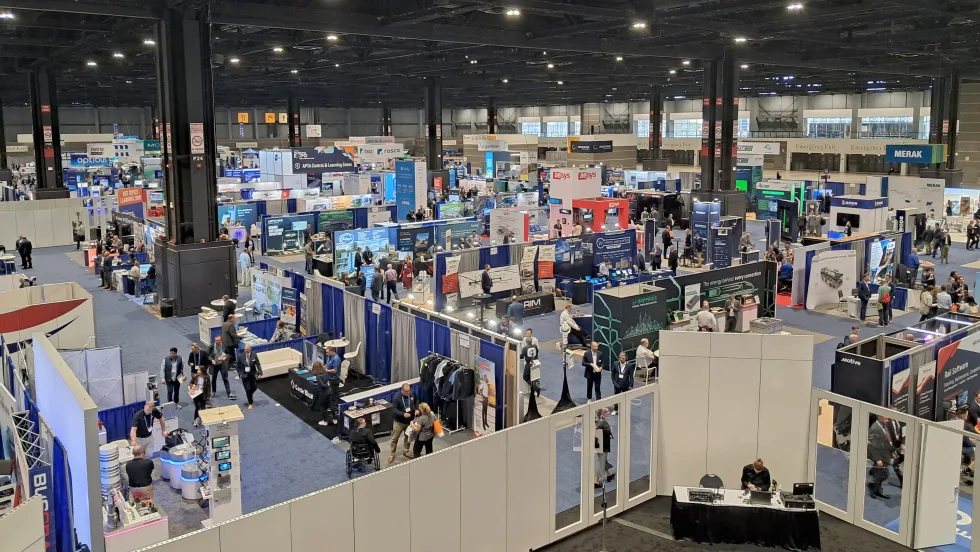
Scenes from APTA TRANSform & EXPO 2026
Transit leaders, manufacturers, and industry professionals gathered in Chicago to explore new technologies, share ideas, and discuss the future of public transportation.
Read More →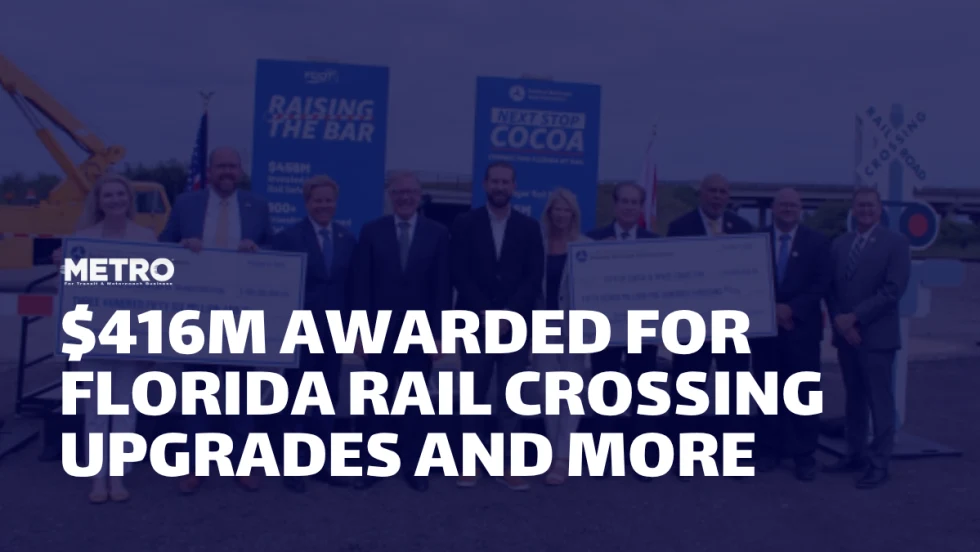
USDOT Awards $416 Million for Florida Rail Crossing Safety Upgrades, New Brightline Station
The projects aim to reduce risks for motorists and pedestrians at rail crossings while expanding passenger rail access along Florida’s Space Coast.
Read More →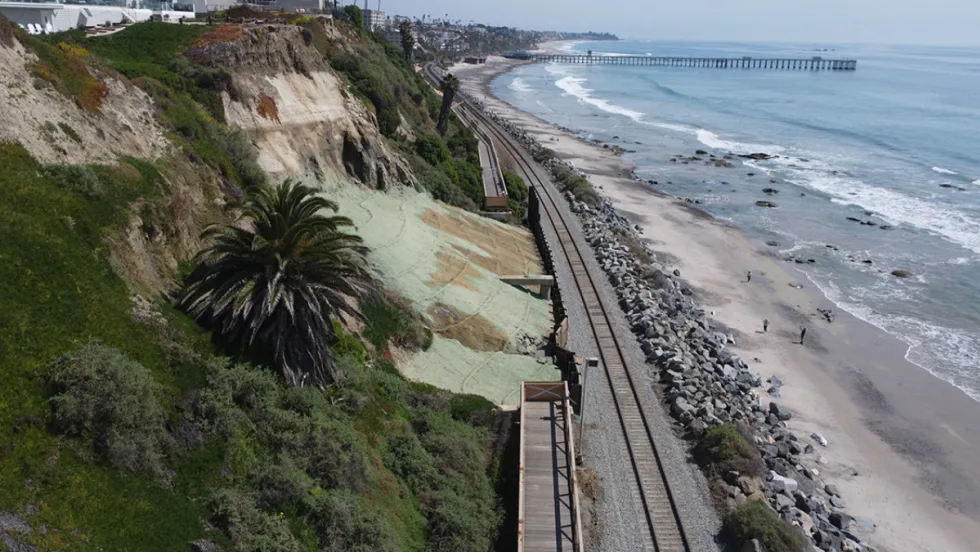
OCTA Declares Emergency to Protect Rail Corridor From Coastal Erosion
The California agency is accelerating shoreline protection and plans to place approximately 690,000 cubic yards of sand along the San Clemente coast to protect a key passenger and freight rail link.
Read More →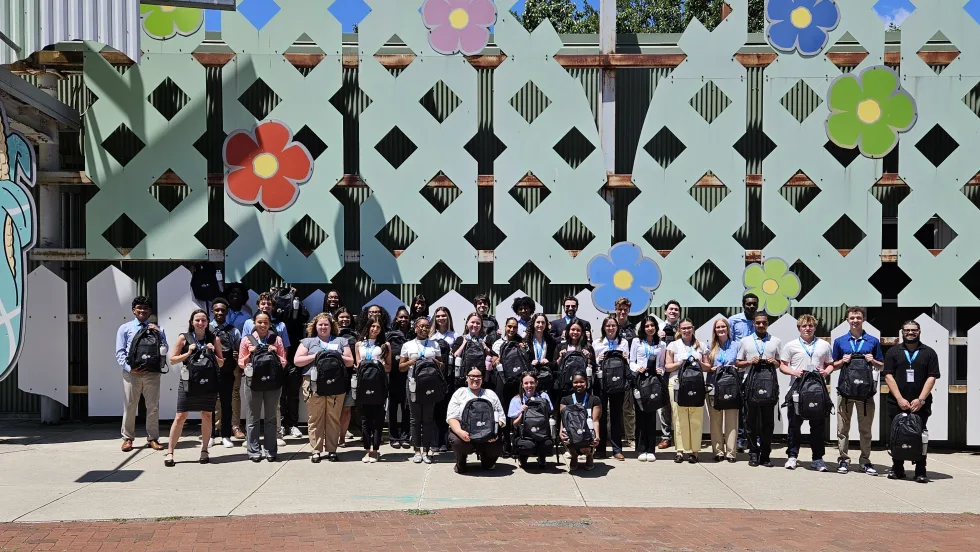
More Than a Summer Job: Building the Next Generation of Transit Talent
The Delaware River Port Authority and PATCO have transformed their internship program into a hands-on professional development experience that introduces students to the breadth of transportation careers — and creates a pipeline for future employees.
Read More →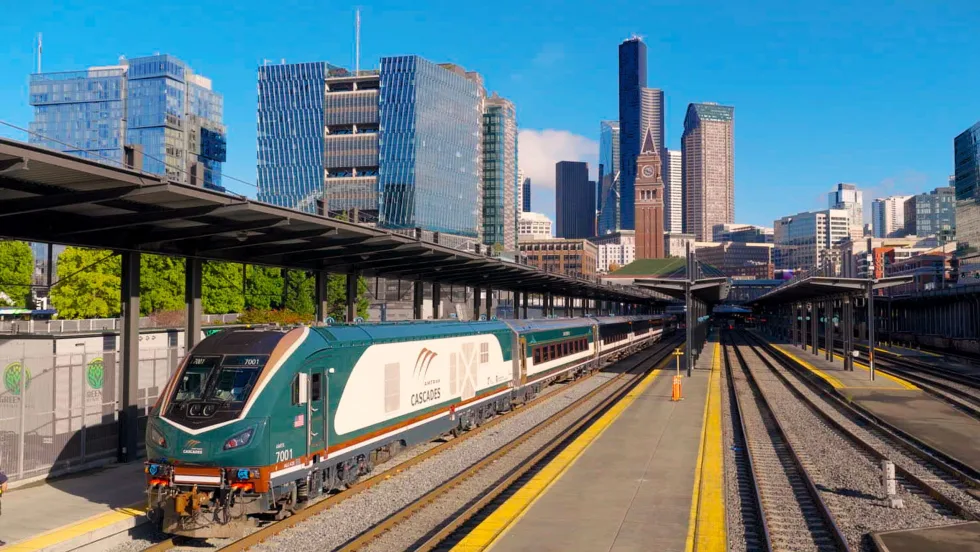
Airo Trains Make Their Amtrak Cascades Debut in the Pacific Northwest
Effective immediately, two cutting-edge Airo trainsets will join the Amtrak Cascades route, operating four daily trips between Vancouver, B.C., Seattle, Portland, and Eugene, Oregon, marking the first introduction of Airo trains into passenger service anywhere in the country.
Read More →
Florida's Brightline Announces Financial Restructuring
Brightline Florida says train operations will continue as normal as certain parent entities enter Chapter 11 and financial stakeholders provide $490 million in new long-term capital.
Read More →
ENC Lands MATA Contract and More in Biz Briefs
In this edition of Biz Briefs, we spotlight the latest developments shaping the future of mobility.
Read More →
Strada360’s Steve Lassey on Turning Transit Data Into Better Decisions
From breaking down data silos to preparing for AI, Strada360 CEO Steve Lassey discusses how transit agencies can use technology to improve operations, customer information, and long-term decision-making.
Read More →
SEPTA Details Accelerate Vision for Transit System
The plan outlines investments in trolley modernization, new Metro and Regional Rail vehicles, accessible stations, and more frequent bus and rail service.
Read More →
FTA Ends Direct Oversight of MBTA Safety Actions
The federal agency closed its remaining special directive to the Massachusetts Department of Public Utilities following a safety review that began in 2022.
Read More →