



D.C. Metro videos show safety preparedness for smoke, fire on train
The 60-second videos, available in English and Spanish, will be aired on local television stations as Public Service Announcements. In addition, Metro has purchased paid advertising time to maximize awareness. The ads will begin airing next week.

Larry Levine

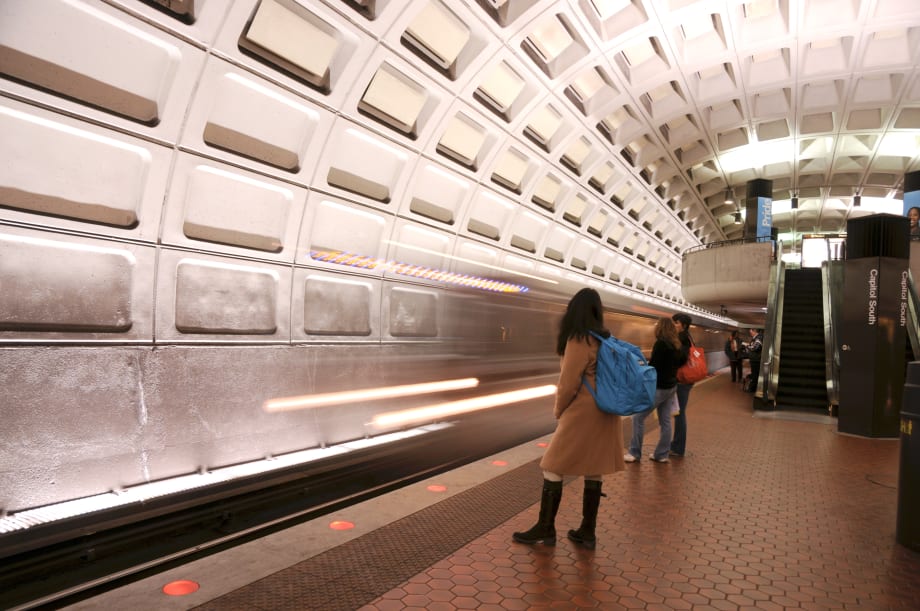
D.C. Metro unveiled new safety preparedness videos to show riders what they should do in the event of an emergency involving smoke or fire on a train or in a station.
The 60-second videos, available in English and Spanish, will be aired on local television stations as Public Service Announcements. In addition, Metro has purchased paid advertising time to maximize awareness. The ads will begin airing next week.
RELATED:Transit Emergency: What Can You Do to Stay Safe?
"We encourage all of our customers to take a moment to review the new video," said Metro Interim GM/CEO Jack Requa. "We will continue to take steps to improve safety and emergency preparedness for our riders in the weeks and months ahead."
The English-version video features Metro Transit Police Detective Erin Cooper. In the wake of the January 12 incident, customers indicated that they wanted additional information about what to do in an emergency and that they trust Metro Transit Police to deliver that message.
Among the topics covered in the video:
When and how to evacuate
Third-rail familiarization and safety guidance
How to use on-board intercoms
Location and use of emergency exits
Location of emergency signage
More Security and Safety
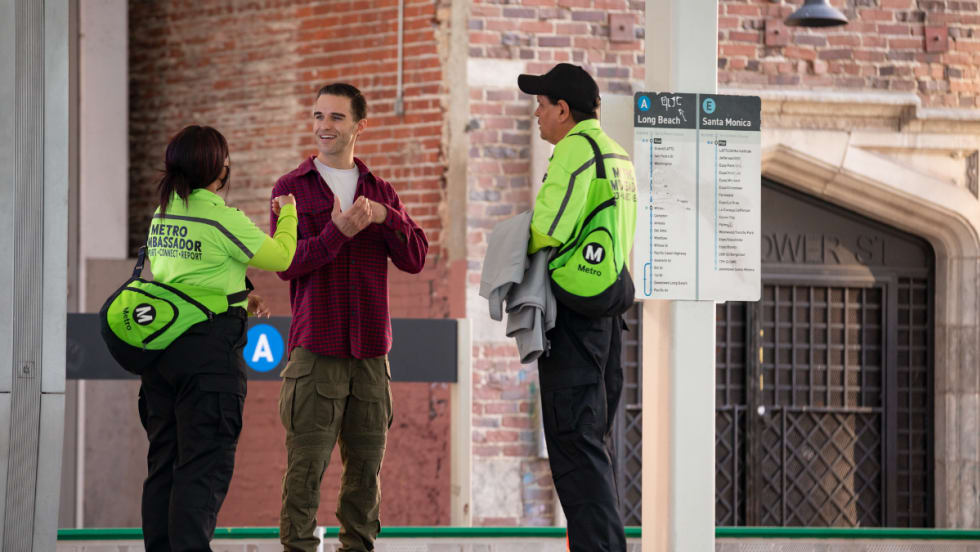
LA Metro Reports 57% Decline in Homelessness on Transit System Since 2024
The agency's latest homelessness count offers new data on how care-based services and cross-sector partnerships can complement traditional transit security strategies.
Read More →
FTA Launches 'Transit Moves America' Dashboard to Highlight Agency Safety and Performance
The online dashboard transforms National Transit Database information into a public-facing resource that allows users to compare transit agencies on key operational and safety metrics.
Read More →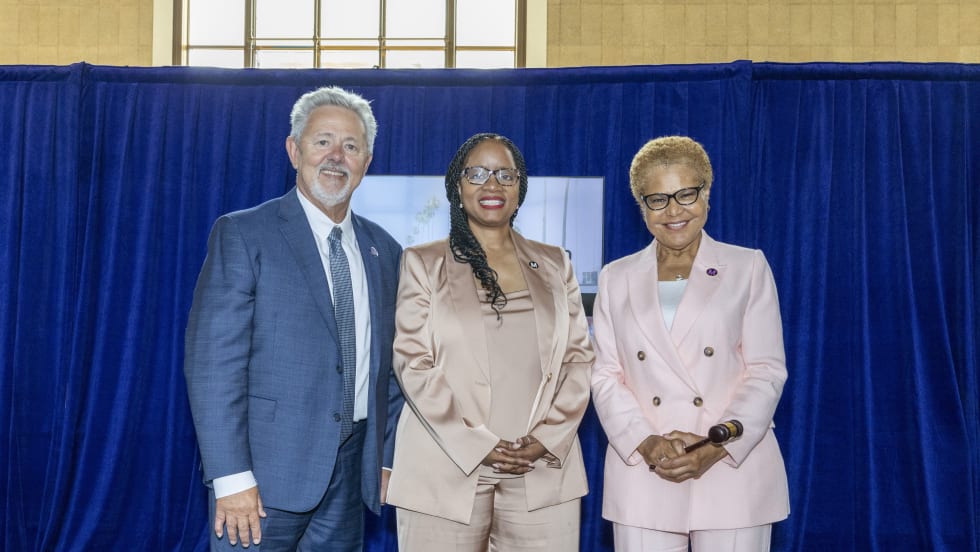
LA Metro Marks Banner Year, Sets Ambitious Goals for New Fiscal Year
Incoming LA Metro Board Chair and Los Angeles Mayor Karen Bass joined outgoing Board Chair Fernando Dutra and LA Metro CEO Stephanie Wiggins to review accomplishments from fiscal year 2026, which included the opening of new rail extensions, advancement of major transit projects, expanded safety programs, and new rider amenities.
Read More →
Building the Next Generation of Transit Technology
In this edition of METROspectives, Luminator CEO Magnus Friberg discusses the company's transformation, the growing role of AI and software, and what's next for transit technology.
Read More →
TTC Launches Camera Pilot to Curb Illegal Passing of Streetcars
During the pilot, the cameras will measure how often illegal streetcar passing occurs and test the technology's reliability for future automated enforcement.
Read More →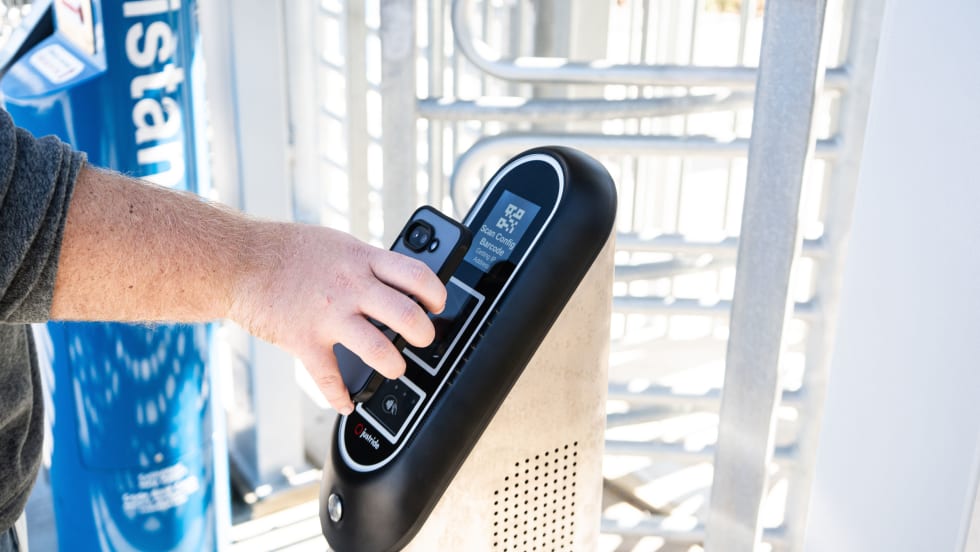
Biz Briefs: Masabi Teams with St. Louis Metro and More
In METRO's latest installment, we take a look at recent news from Transdev, Hitachi, and more partnerships making headlines across the transportation sector.
Read More →
Metra Begins Drone Pilot Project to Boost Safety and Security
The project is funded through a $620,000 grant from FEMA’s Transit Security Grant Program, which provides transit agencies with funding for projects intended to protect critical transportation infrastructure and the traveling public.
Read More →
Building the Next Generation of Transit Technology
In this edition of METROspectives, Luminator CEO Magnus Friberg discusses the company's transformation, the growing role of AI and software, and what's next for transit technology.
Read More →
APTA Recognizes Excellence in Rail Safety and Security at 2026 Rail Conference
Nominations are evaluated on four criteria: effectiveness, benefit level, innovation, and transferability.
Read More →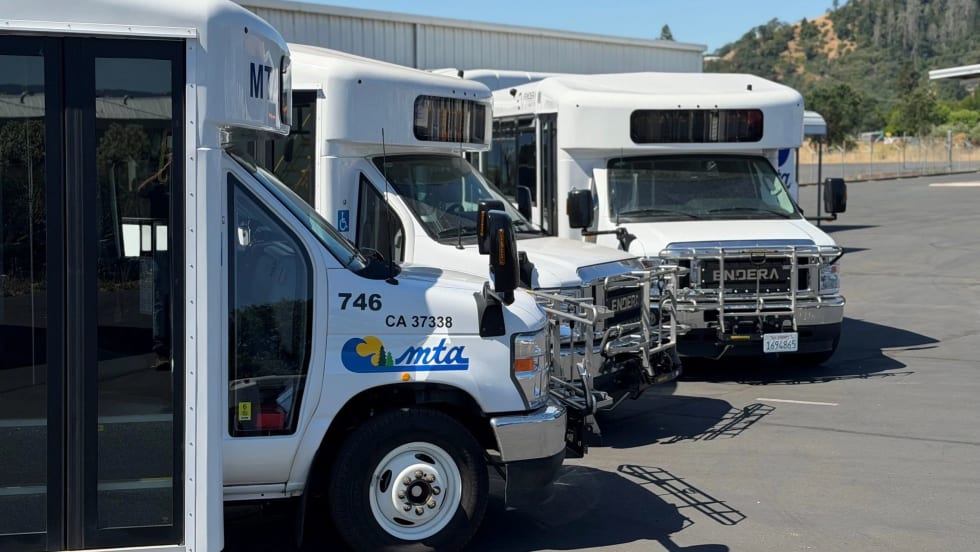
Biz Briefs: Endera Delivers to California, Safety Vision Teams with San Antonio's VIA, and More
From manufacturers and suppliers to transit agencies and motorcoach operators, these updates offer a snapshot of the projects, partnerships and business moves driving the industry forward.
Read More →