



D.C. Metrorail, Va. Railway Express boost state revenues by $600M, study says
The additional 85,000 households and 130,500 jobs that the two rail systems make possible in Northern Virginia generate both sales and income tax revenues that flow to Richmond.

NVTC engaged its peers in the transportation community in a comprehensive technical review of the study’s methodology and assumptions.
VRE
NVTC engaged its peers in the transportation community in a comprehensive technical review of the study’s methodology and assumptions.
VRE
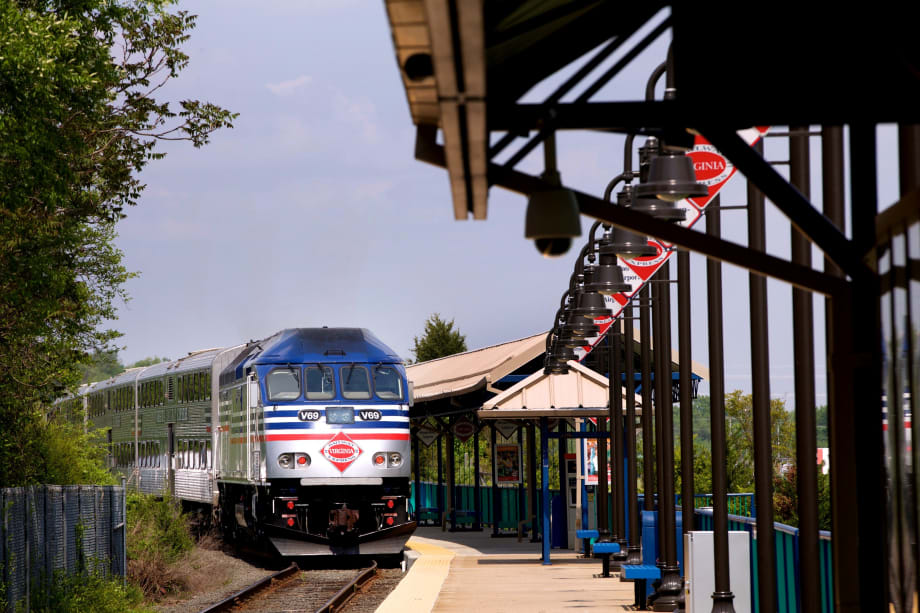
Long credited with fueling economic development in Northern Virginia, Washington D.C.'s Metrorail and the Virginia Railway Express (VRE) provide more than $600 million annually to Virginia’s general fund, according to a report released by the Northern Virginia Transportation Commission (NVTC).
The additional 85,000 households and 130,500 jobs that the two rail systems make possible in Northern Virginia generate both sales and income tax revenues that flow to Richmond. For every dollar the state invests in Metrorail and VRE, it receives $2.50 in return. While $600 million represents just over 3% of general fund revenues, the amount is significant. It covers Virginia’s annual general-fund expenditures on state colleges and universities, about $316 million, and state police, roughly $266 million.
“This study makes clear that the economic benefits associated with rail transit accrue to the entire state, not just Northern Virginia,” said Jeffrey C. McKay, NVTC’s chairman. “The analysis is certain to inform our discussions about finding dedicated and sustainable sources of funding for these two vital rail systems.”
Methodology
To quantify the value that Metrorail and VRE bring to the Commonwealth of Virginia, NVTC took the current traffic and development in the region, removed Metro and VRE from the picture, then moved development out of Northern Virginia to the District of Columbia or Maryland until traffic models showed a return to current levels of rush-hour congestion.
Based on the number of jobs and homes moved across the Potomac River, NVTC then estimated how much less the commonwealth would take in from income taxes and the portion of the sales tax that goes directly to the state’s general fund.
Part of what distinguishes this study from earlier ones is that it is dynamic, accounting for the level of activity that the regional transportation network can support. NVTC’s approach is unique in that it evaluates the interaction between land use and transportation demand. “The approach used in this study raises the bar for future transportation studies, both here in the Commonwealth and beyond,” said McKay.
Corollary Findings
The results of the first runs of the transportation model, which removed rail transit in Northern Virginia and held to the existing land use totals, demonstrate rail’s importance for commuters in Northern Virginia. With the added congestion, commuters could not travel as far in the same amount of time. Their trip length decreased by about 5%, which is significant. Other impacts associated with a lack of rail transit in Northern Virginia are:
56,500 more lane miles of congestion on arterial roadways.
50% fewer transit trips in the peak period.
80% decrease in jobs accessible by transit for Northern Virginia households.
130,000 fewer transit trips each weekday.
“It’s hard to imagine the gridlock that would exist in Northern Virginia without Metrorail and VRE,” said McKay. “They are part of the reason our region has become a premier destination to live, work and play.”
Peer Review
NVTC’s analysis was informed by the expert opinions of others. NVTC engaged its peers in the transportation community in a comprehensive technical review of the study’s methodology and assumptions. These groups — which included the Washington Metropolitan Area Transit Administration, Transportation Planning Board, Federal Transit Administration, and George Mason University — considered the work plan, technical approach, and findings, and provided comments on the study.
“NVTC’s report drives home the importance of adequate transit funding in Virginia,” said McKay. “It is time for legislators from all corners of the commonwealth to work together to find sufficient and sustainable revenues that can be dedicated to Metrorail and VRE to ensure that they can provide safe and reliable transportation — now and in the future.”
More Rail

New York MTA Advances Final Contract for Second Avenue Subway Expansion
Contract Four is the largest in the Second Avenue Subway Phase 2 project and includes construction of station infrastructure, tracks, and signals for the subway expansion, MTA officials said. Work on Contract Four will begin in 2027.
Read More →
San Diego MTS Breaks Monthly Trolley Ridership Record
Agency officials said July’s ridership indicates MTS’s continued recovery from the pandemic.
Read More →
Report Examines NJ TRANSIT Reliability, Funding Challenges
The Garden State Initiative analysis examines the roles of Amtrak infrastructure, fleet management, and agency operations while recommending a more performance-based approach to improving reliability.
Read More →
Stadler, CapMetro Sign Long-Term Rail Fleet Support Agreement
Beginning in 2027, Stadler will provide on-site technical expertise, spare parts support, training, and obsolescence management to help extend the reliability and longevity of CapMetro’s GTW fleet.
Read More →
Biz Briefs: Alstom Lands Canadian Contract, LYT to Supply California TSP, and More
In METRO's latest installment, we take a look at recent news from Complete Coach Works, Beep, FlixBus, and more partnerships making headlines across the transportation sector.
Read More →
CATS Gold Line Marks 5 Years of Service, 2.8M Passenger Trips
With a six-mile expansion planned, the Charlotte streetcar is positioned to connect more neighborhoods and major transit hubs across the region.
Read More →
Why Simulating Pedestrian Movement Has Become Essential for Modern Rail Stations
Pedestrian microsimulation is helping rail planners identify bottlenecks, test station designs, and prepare complex transit hubs for growing passenger volumes.
Read More →
Amtrak Begins Major Construction at New York’s Sunnyside Yard
The new maintenance facility will support Amtrak’s Airo trainsets while improving maintenance efficiency and turnaround times in New York.
Read More →
Chicago Leaders Unveil Plans for O’Hare Airport Express Train
The privately developed project would offer a 15-minute trip between downtown and O’Hare’s Terminal 2, with trains operating every 15 minutes on a dedicated track. The service would use battery-electric trains and three existing freight rail rights-of-way.
Read More →
OCTA Maps Out 30-Year Strategy to Protect Coastal Rail Corridor
The draft feasibility report identifies strategies to protect the coastal rail line for decades as the agency continues near-term stabilization and sand placement efforts.
Read More →