



Denver RTD Plans Budget, Staff Reductions
In a memo provided to employees, CEO/GM Paul Ballard noted that RTD anticipates a $166 million shortfall in 2021, with anticipated shortfalls at least that amount or more in the coming years.
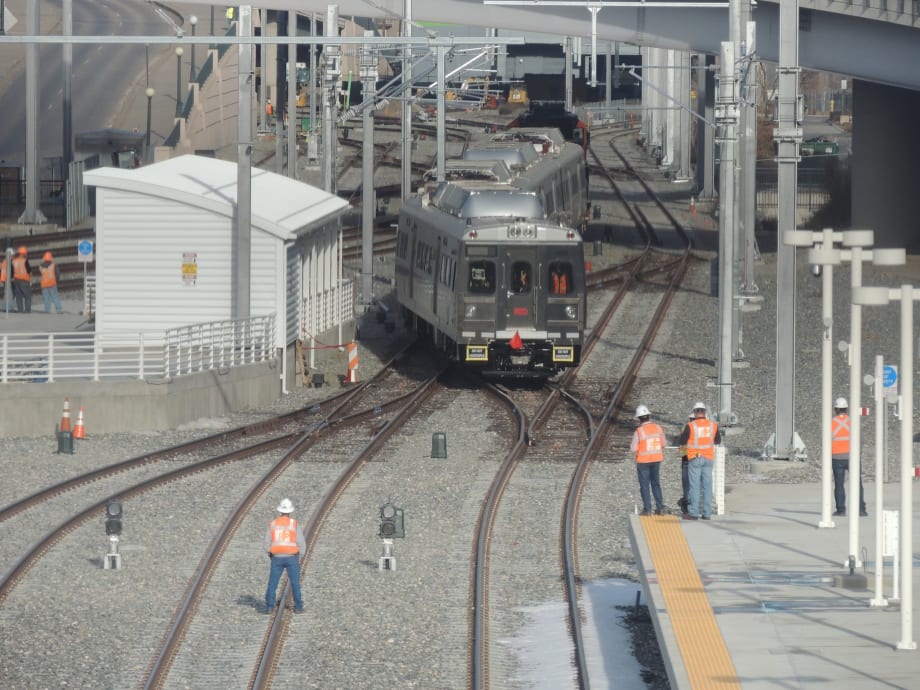
RTD is currently carrying about 40% of its pre-COVID level of ridership, providing 60% of its pre-pandemic level of service, and continuing to employ 100% of its workforce.
Denver RTD
To combat significant financial shortfalls in 2021 and the coming years because of the COVID-19 pandemic, Denver’s Regional Transportation District (RTD) is planning for reductions in its budget and staffing levels.
In a memo provided to employees, CEO/GM Paul Ballard noted that RTD anticipates a $166 million shortfall in 2021, with anticipated shortfalls at least that amount or more in the coming years. These challenges are shared by transit agencies across the country that are responding to reduced ridership and financial shortfalls.
“RTD, like much of the world, is having to face the reality of our times by addressing the financial impact of the pandemic,” Ballard said. “These are difficult times requiring difficult decisions, but we will work through this and stay committed to keeping our employee family and the public informed with the facts as they evolve.”
RTD is currently carrying about 40% of its pre-COVID level of ridership, providing 60% of its pre-pandemic level of service, and continuing to employ 100% of its workforce. Funding from the CARES Act — which is expected to be depleted by the end of the year — has allowed the agency to maintain pre-pandemic staffing levels. As RTD anticipates continuing to provide its current and much-reduced level of service moving forward, it is unable to sustain the costs associated with maintaining current levels of staffing.
While RTD staff is continuing to work through final details, the agency anticipates it may need to reduce the number of budgeted positions by 25% to 30%. The figure includes about 635 part-time and full-time positions for represented and salaried staff that are currently filled. Additional positions that are currently vacant would also be eliminated. These numbers are approximate and may change as the agency conducts more detailed analysis.
The information is part of a set of recommendations being presented by an Internal COVID-19 Fiscal Response Task Force to the RTD board at a study session Sept. 15, about how to balance the agency’s Mid-Term Financial Plan and 2021 budget. Further budget reductions planned for 2021 span numerous areas and include:
Deferring $114 million in capital and maintenance projects.
Forgoing pay increases for salaried employees.
Implementing tiered furloughs for salaried employees, ranging from no furlough days for employees with the lowest salaries and up to 18 furlough days for the agency’s highest income earners.
More Management
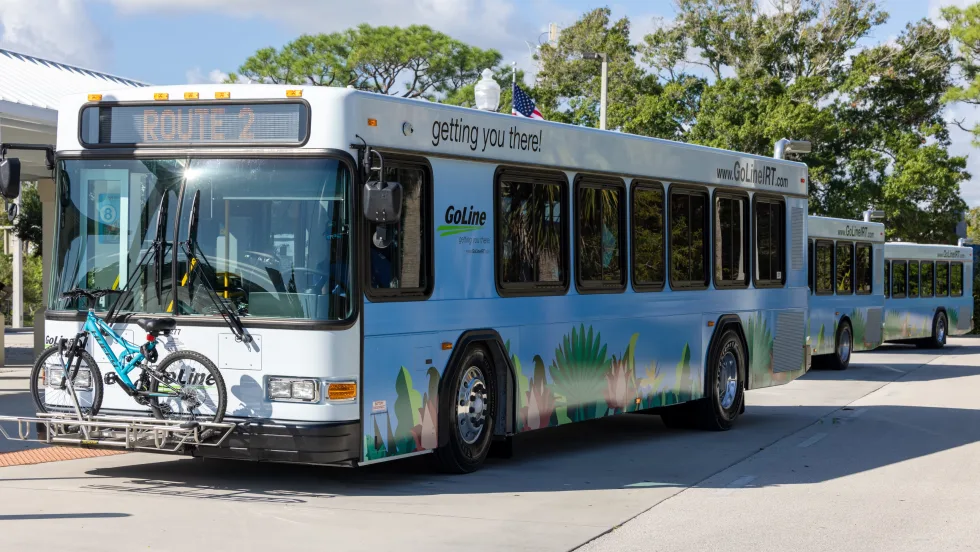
Indian River Transit’s Community-Focused Approach Earns National Recognition
Named APTA’s 2026 Outstanding Public Transportation System in its size category, Florida’s Indian River County transit system continues to grow ridership through fare-free service and a focus on evolving community needs.
Read More →
ENC Lands MATA Contract and More in Biz Briefs
In this edition of Biz Briefs, we spotlight the latest developments shaping the future of mobility.
Read More →
From Surviving to Thriving: Building Stronger Transportation Organizations
Bus Business Consultants founder Brian Dickson shares lessons on leadership, organizational health, and creating options for long-term success in a changing transportation industry.
Read More →

Everett Transit, Community Transit Outline Consolidation Agreement
The proposed agreement calls for a 50% increase in bus service in Everett, a new microtransit zone, continued paratransit service, and the transfer of Everett Transit operations to Community Transit.
Read More →
Strada360’s Steve Lassey on Turning Transit Data Into Better Decisions
From breaking down data silos to preparing for AI, Strada360 CEO Steve Lassey discusses how transit agencies can use technology to improve operations, customer information, and long-term decision-making.
Read More →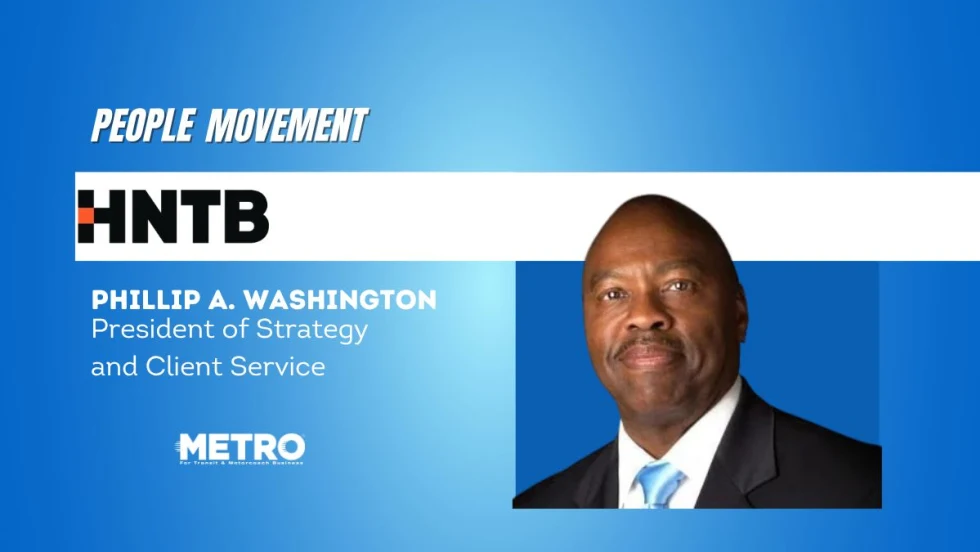
People Movement: Phil Washington Joins HNTB, Denver RTD Launches CEO Search, and More
In this edition, we also spotlight recent personnel moves at STV, the Eno Center for Transportation, and more, highlighting the people taking on new roles across the transportation industry.
Read More →
SEPTA Details Accelerate Vision for Transit System
The plan outlines investments in trolley modernization, new Metro and Regional Rail vehicles, accessible stations, and more frequent bus and rail service.
Read More →
FTA Ends Direct Oversight of MBTA Safety Actions
The federal agency closed its remaining special directive to the Massachusetts Department of Public Utilities following a safety review that began in 2022.
Read More →
Report: Transit Bus Manufacturing Supports 34,100 Jobs, $5.1B in GDP
The “Buses Mean Business” report examines the transit bus manufacturing industry’s economic footprint, supply chain, and rising demand for vehicle replacements.
Read More →
LIT Marks 10-Year Milestone at Annual Summit
Hosted by the COTA from September 10 to 13, the Summit carried the theme “Celebrating 10 Years of Excellence, Leadership, and Impact,” with every part of the program honoring the people, agencies, and partners who built LIT over its first decade.
Read More →