



EMBARK Develops Program to Expedite Family Reunification
Climb Ride provides participants access to a suite of transportation options to complete their court-ordered services.
During the pilot, the program helped reunite 22 families, saving the state up to $30,000 per case in foster care services and support, resulting in quicker family reunifications.
Photo: EMBARK
In 2019, EMBARK launched Climb Ride, a pilot program to remove transportation as a barrier to Oklahoma County residents working toward reunification with their children through the Department of Human Services Child Welfare.
During the pilot, the program helped reunite 22 families, saving the state up to $30,000 per case in foster care services and support, resulting in quicker family reunifications.
Climb Ride provides participants access to a suite of transportation options to complete their court-ordered services. The funding for the pilot program comes from a Transportation Innovation Grant (TIG) through the Arnall Family Foundation.
EMBARK, along with the Community Transportation Association of America, and the Oklahoma Transit Association, submitted a joint grant application to develop the program.
"One of EMBARK's core values is to Be There, which translates into showing up with our whole hearts - eager to learn and ready to serve our community and each other,” said Jason Ferbrache, EMBARK administrator. "The Climb Ride program is a reflection of our values in action. Already, we have seen lives change for the better. Public transportation is as essential as clean water to the wellbeing of modern communities. We know that where EMBARK’s public transit services go, our community grows."
Oklahoma County DHS said it strives to reunify 55% of its families within 12 months. When a family uses Climb Ride, EMBARK works with participants to find existing transportation options or on-demand services to help DHS families attend visitations, education, or rehabilitation services to reduce the time families are apart. Nearly 6,300 trips were completed during the pilot phase of the program.
"The Climb Ride program is a great example of what can be done to improve human services program outcomes and reduce costs," said Scott Bogren, CTAA executive director. "Transit agencies continue to pursue opportunities that bring value to their community. We are grateful to partner with EMBARK, the Oklahoma Transit Association, and the Arnall Family Foundation in creating Climb Ride."
The Arnall Family Foundation awarded $1 million to fund the four-year pilot program. Sue Ann Arnall, founder and president of the Arnall Family Foundation, said that one goal of the TIG was to bring forth ideas that could “be replicated to benefit other vulnerable populations, including those affected by the criminal justice system.”
"Developing innovative, scalable solutions to close gaps in services and lower barriers is paramount to improving outcomes for marginalized individuals in our community," said Arnall. "With safe, reliable transportation provided by the Climb Ride program, families in Oklahoma County have access to services, which leads to faster reunification at a lower cost for the state. This model and the opportunity to replicate it to support other social service efforts signifies hope for healing and restoration in our community."
More Security and Safety

Transit Agencies Highlight Safety Gains at National Summit
Leaders from 15 major transit systems shared crime-reduction results and safety initiatives while discussing the role of continued federal support.
Read More →
DART Launches Major Security, Fare Enforcement Initiative
The 90-day demonstration will deploy coordinated security teams at five light rail stations while testing controlled access and gathering data to guide future investments.
Read More →
RTD Launches NextRide App to Consolidate Trip Planning, Fares, Security Reporting
The app expands on RTD’s existing NextRide web application and allows customers to view real-time vehicle locations and service alerts, purchase and store digital fares, and access customer support.
Read More →
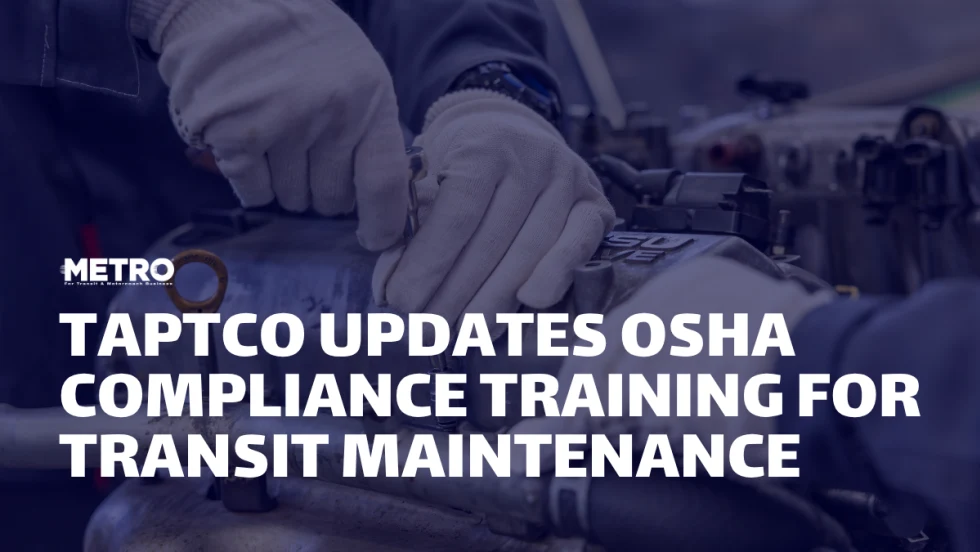
TAPTCO Updates OSHA Compliance Training for Transit Maintenance Operations
The revamped program addresses 26 OSHA standards for maintenance facilities, with TAPTCO pointing to training, documentation, and everyday shop hazards as continuing challenges for transit operations.
Read More →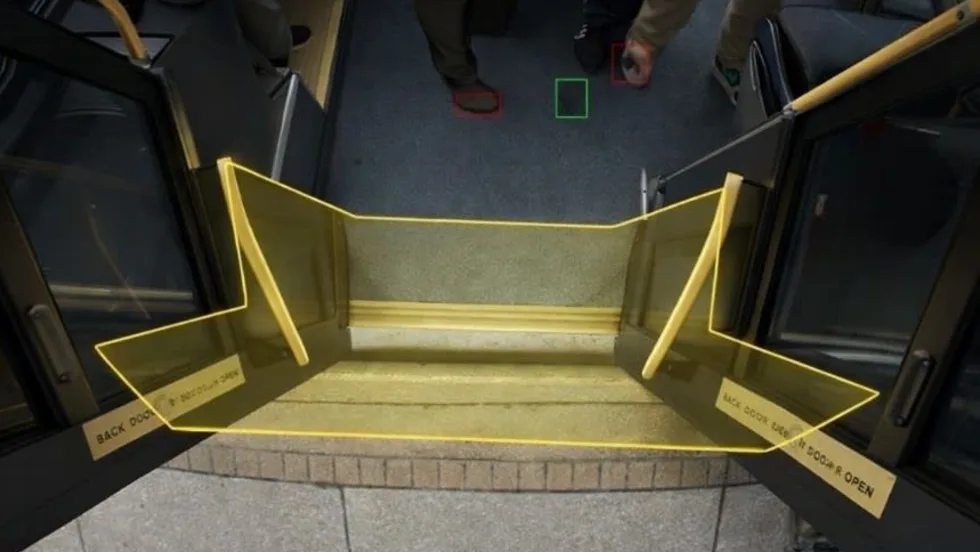
How VaporVision Adds Value to Transit Door Systems
Wabtec engineers explain how the system improves doorway detection, strengthens diagnostics and gives transit agencies and OEMs greater operating flexibility.
Read More →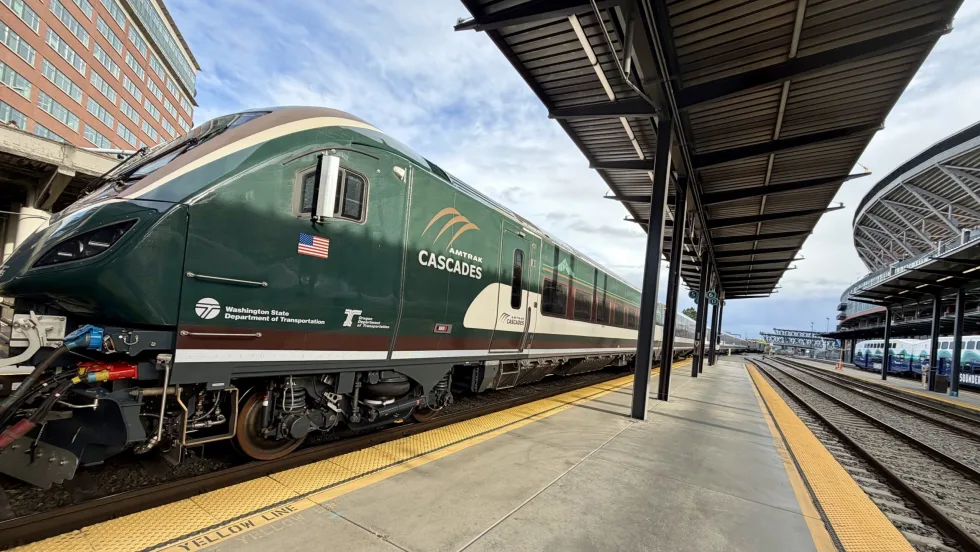
FRA Announces $5.3B in Rail Investments, Including $2B for Amtrak
Funding will support grade-crossing improvements, infrastructure upgrades, and new Amtrak equipment in 23 states.
Read More →
Chicago, Maryland Expand Non-Law-Enforcement Safety, Rider Support
The CTA and MTA are launching new programs aimed at de-escalation, crisis response, rider assistance, and greater transparency.
Read More →
LA Metro, City of West Hollywood, and Partners Advance Smarter Bus Lane Enforcement
The award-winning partnership combines AI-powered detection with human oversight to improve bus reliability, accessibility, and enforcement efficiency.
Read More →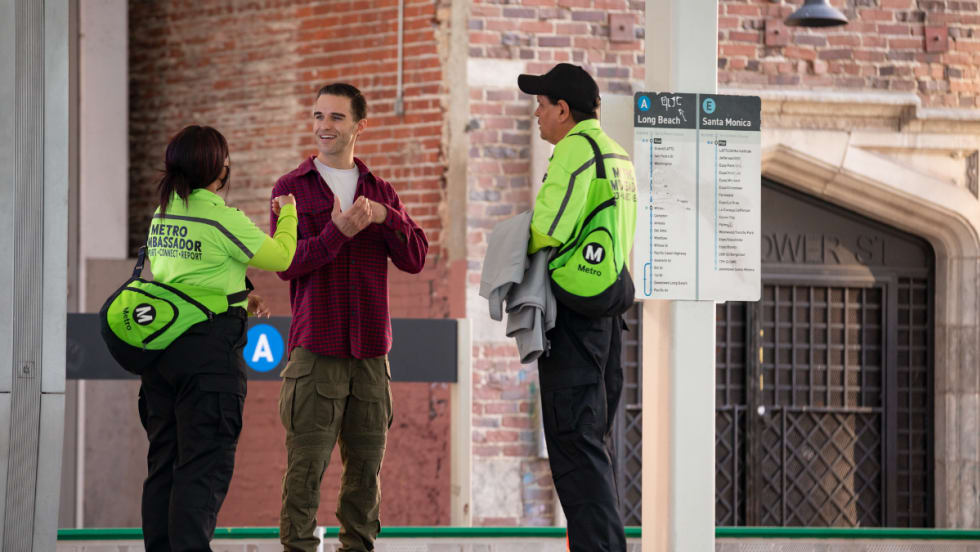
LA Metro Reports 57% Decline in Homelessness on Transit System Since 2024
The agency's latest homelessness count offers new data on how care-based services and cross-sector partnerships can complement traditional transit security strategies.
Read More →
FTA Launches 'Transit Moves America' Dashboard to Highlight Agency Safety and Performance
The online dashboard transforms National Transit Database information into a public-facing resource that allows users to compare transit agencies on key operational and safety metrics.
Read More →