



Fed program gives $100M to modernize, expand transit bus services
The funds are specifically for the purpose of connecting disadvantaged and low-income individuals, veterans, seniors, youths, and others with local workforce training, employment centers, healthcare and more.

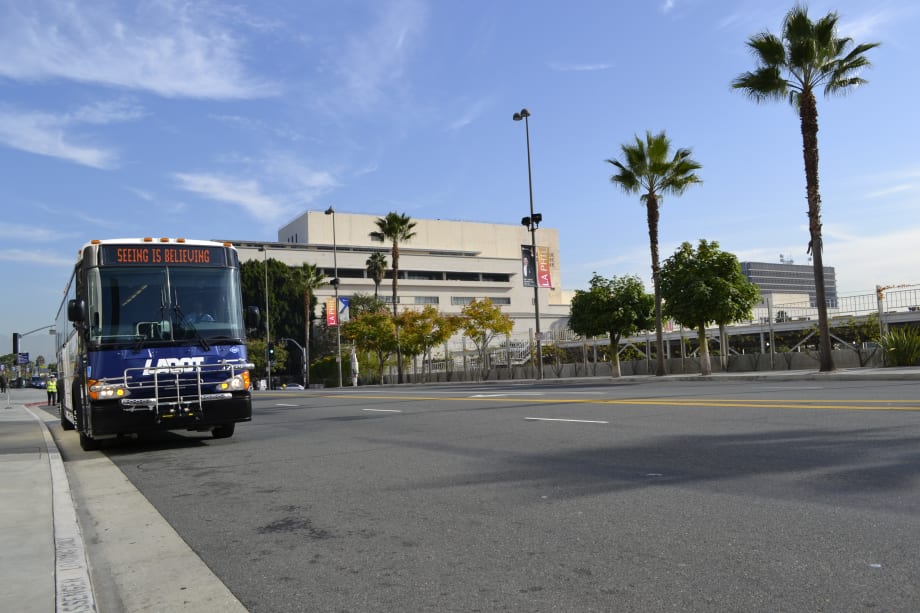
The Federal Transit Administration (FTA) is making available approximately $100 million in competitive grant funds through its new Ladders of Opportunity Initiative.
The funds may be used to modernize and expand transit bus service specifically for the purpose of connecting disadvantaged and low-income individuals, veterans, seniors, youths, and others with local workforce training, employment centers, healthcare and other vital services.
Program funds may be used to purchase, replace, or rehabilitate transit buses and vans as well as to modernize or construct bus facilities, such as maintenance depots and intermodal facilities, in urban, suburban and rural communities.
Competitive proposals must also directly address ladders of opportunity for riders, including:
Enhancing access to work for individuals lacking ready access to transportation, especially in low-income communities.
Supporting economic opportunities by offering transit access to employment centers, educational and training opportunities, and other basic needs.
Supporting partnerships and coordinated planning among state and local governments and social, human service, and transportation providers to improve coordinated planning and delivery of workforce development, training, education, and basic services to veterans, seniors, youths and other disadvantaged populations.
“Over half of the roughly 10 billion transit trips taken each year in the United States are by bus—and nearly half the buses people depend on are in marginal or poor condition,” said FTA Deputy Administrator Therese McMillan. “This new initiative will help ensure that millions of riders can count on safe, efficient, reliable bus service that connects them with opportunities and services so essential to daily life.”
Funding for FTA’s Ladders of Opportunity Initiative is drawn from leftover/remaining discretionary grant funds originally available prior to the enactment of MAP-21, as part of FTA’s Bus and Bus Facilities Program. FTA will cover up to 80% of the total project cost, with a 20% local match required.
More Bus

New York MTA Plans Largest Bus Fleet Upgrade in More Than a Decade
The agency is seeking manufacturers for 650 new CNG buses to replace aging vehicles, improve reliability, and advance its broader fleet modernization strategy.
Read More →
Building a Flexible Path to Transit Electrification
John Hroncich discusses BAE Systems’ modular and scalable approach, lessons learned from decades of real-world operations, and how agencies can identify electrification strategies that fit their fleets.
Read More →
Bus Tech Talk: Keeping Transit Technicians Ahead of the Technology Curve
LA Metro’s Obed Mejia discusses technician training, evolving maintenance technology, fleet replacement, and strategies for getting the most out of today’s transit fleets.
Read More →
Biz Briefs: RIPTA Unveils New Frontrunners, Clevland RTA Adds New Siemens, and More
In METRO's latest installment, we take a look at recent news from Siemens, Prevost, Dodge, and more partnerships making headlines across the transportation sector.
Read More →
People Movement: Holly Arnold Joins Transdev and More
In this edition, we also cover recent appointments and announcements at Pace, CamTran, MCI, and more, showcasing the individuals helping to shape the future of transportation.
Read More →
The High Cost of Transit Buses: Industry Leaders Look to Procurement Reform
Transit leaders and policymakers examine how standardized bus designs, streamlined procurement, and predictable funding could help agencies stretch budgets and deliver better service.
Read More →
The Business Voice Behind Public Transportation
As chair of APTA’s Business Members Board of Governors, Ray Melleady explains how more than 850 business members are partnering with transit agencies to advance funding, innovation, and industry-wide collaboration.
Read More →
From Surviving to Thriving: Building Stronger Transportation Organizations
Bus Business Consultants founder Brian Dickson shares lessons on leadership, organizational health, and creating options for long-term success in a changing transportation industry.
Read More →
Finding the ‘Happy Medium’: Optimizing Maintenance Without Sacrificing Reliability
The key to maintenance optimization isn’t doing less work—it’s doing the right work at the right time on the right assets.
Read More →
LA Metro, City of West Hollywood, and Partners Advance Smarter Bus Lane Enforcement
The award-winning partnership combines AI-powered detection with human oversight to improve bus reliability, accessibility, and enforcement efficiency.
Read More →