



Firefly equips transit fleet with micro-cell battery
Advanced battery technology comprises the use of lightweight, non-corroding and non-sulfating microcell foam plates to replace the heavy non-conductive lead metal plates typical of traditional lead acid batteries.

Peoria, Illinois-based battery technology company Firefly Energy will equip a public transit fleet for the first time with its advanced technology battery. CityLink, the mass transit provider for the greater Peoria area, has signed on as the company’s first public transportation customer.
In its initial roll-out, CityLink has purchased 36 of Firefly’s patented microcell foam Group 31 batteries, known as the Oasis. The batteries will equip nine CityLink buses, replacing traditional batteries that have a much shorter life on the new technologically-sophisticated buses that CityLink employs in its fleet.
“CityLink is excited to be the first bus company in the nation to experience the advantages of the new Firefly Oasis battery,” said Tom Lucek, CityLink general manager. “Like modern automobiles and trucks, our newer buses have many more onboard electronic systems which are increasingly putting stress on our traditionally-utilized batteries. Keeping our buses running optimally is imperative in serving our riders, and so is saving on maintenance costs. We’re looking forward to powering-up our buses with Firefly” Lucek concluded.
Firefly’s advanced battery technology comprises the use of lightweight, non-corroding and non-sulfating microcell foam plates to replace the heavy non-conductive lead metal plates typical of traditional lead acid batteries. The result is that the Oasis battery’s performance and reliability rise dramatically, making these advanced batteries more attractive in terms of total cost-of-ownership compared to the more frequent costs incurred in replacing traditional lead acid batteries, according to company officials.
The wide-ranging hot and cold weather in Central Illinois presents challenges to all modes of ground transportation, including CityLink’s bus lines. Battery life is severely reduced, and when the temperature dips below zero, this leads to more frequent no-starts. Firefly’s battery has a much higher tolerance for weather extremes, making transportation more reliable.
CityLink also employs many more electronics on its bus line, compared to buses previously operated. This is taxing on traditional batteries because the many onboard electronics keeps batteries in a constant partial state-of-charge. This leads to sulfation or “memory,” which is detrimental to a battery - causing decreased battery run times, and dramatically reducing its lifespan. The Oasis battery, with its microcell foam technology, eliminates this sulfation problem, hence providing ample reserve power and much longer cycle life.
More Bus

Biz Briefs: OCTA Taps Clean Energy for Hydrogen Station, Stadler to Supply Via Rail Vehicles, and More
From manufacturers and suppliers to transit agencies and motorcoach operators, these updates offer a snapshot of the projects, partnerships and business moves driving the industry forward.
Read More →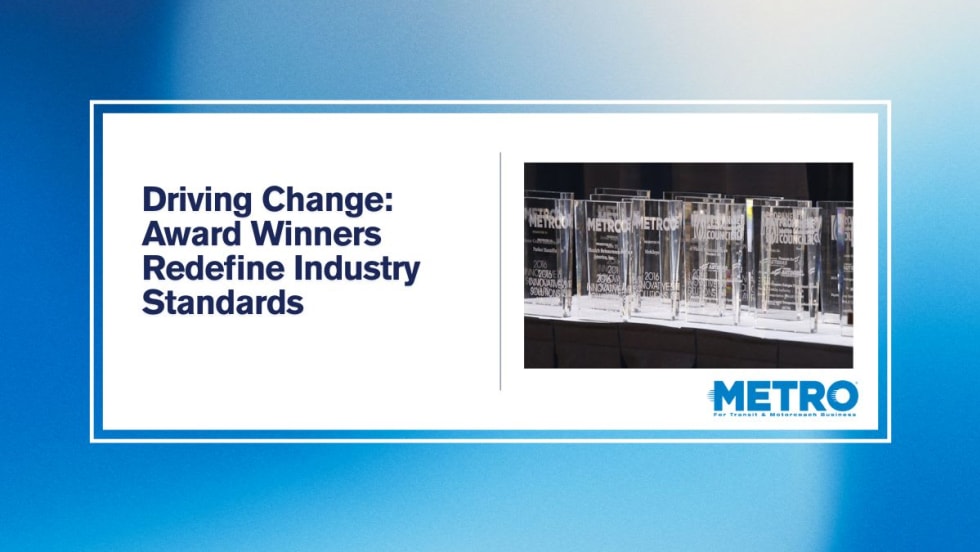
METRO Magazine Announces 2026 Innovative Solutions Awards Winners
Projects Recognized for Advancing Mobility Through Technology, Accessibility, Workforce Innovation, and Operational Excellence
Read More →
Biz Briefs: STV teams with Amtrak, Motorcoach Operators Boost Fleet and Land Contracts, and More
From manufacturers and suppliers to transit agencies and motorcoach operators, these updates offer a snapshot of the projects, partnerships and business moves driving the industry forward.
Read More →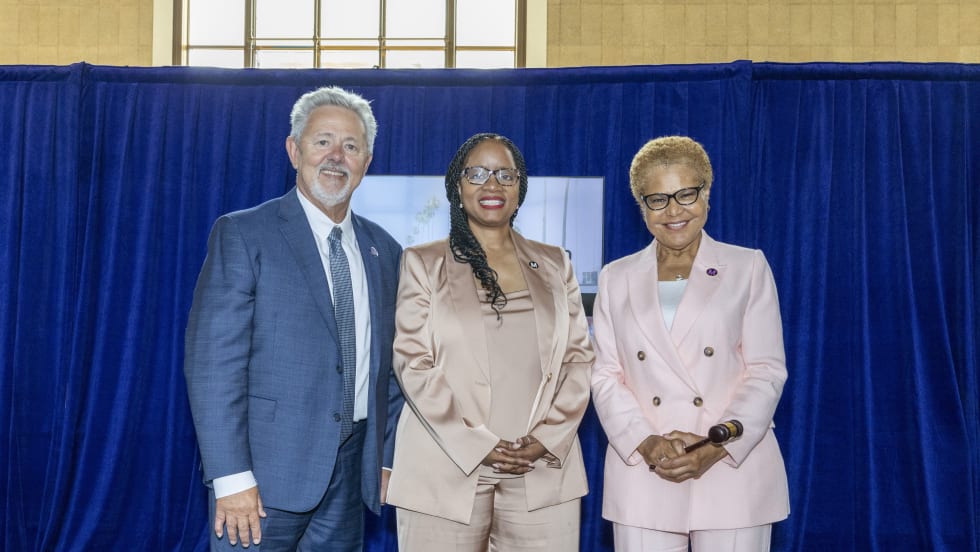
LA Metro Marks Banner Year, Sets Ambitious Goals for New Fiscal Year
Incoming LA Metro Board Chair and Los Angeles Mayor Karen Bass joined outgoing Board Chair Fernando Dutra and LA Metro CEO Stephanie Wiggins to review accomplishments from fiscal year 2026, which included the opening of new rail extensions, advancement of major transit projects, expanded safety programs, and new rider amenities.
Read More →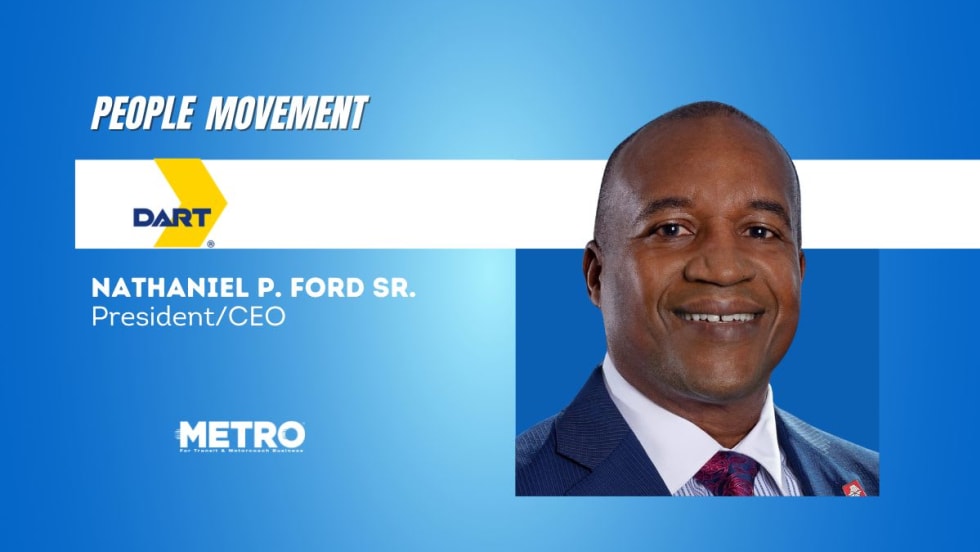
DART Taps Nathaniel P. Ford Sr. as Next President/CEO
Since 2012, Ford has served as the CEO of the Jacksonville Transportation Authority
Read More →
AC Transit’s Cecil Blandon on Building the Next Generation of Transit Maintenance Leaders
The agency’s maintenance chief discusses leadership, workforce development, zero-emission technology, and preparing technicians for the future of public transportation.
Read More →
Building the Next Generation of Transit Technology
In this edition of METROspectives, Luminator CEO Magnus Friberg discusses the company's transformation, the growing role of AI and software, and what's next for transit technology.
Read More →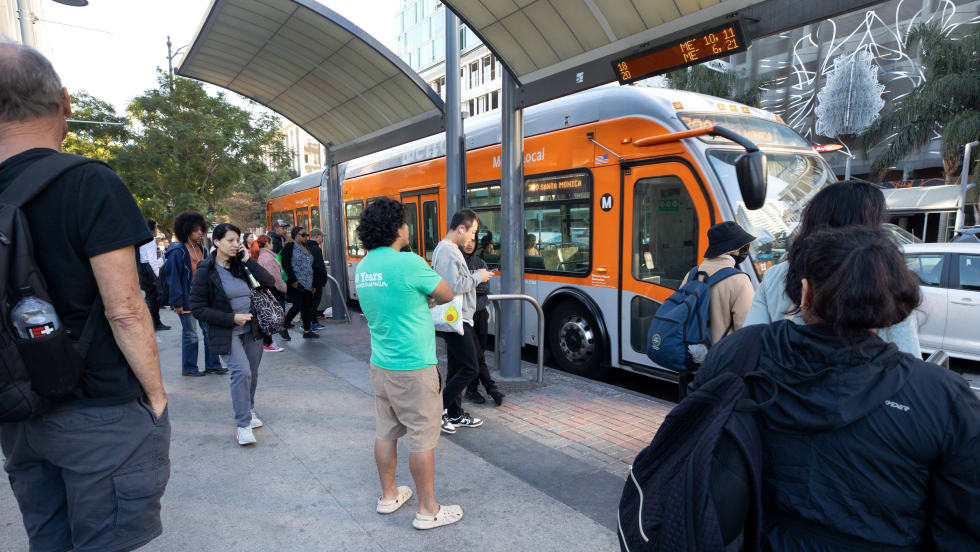
June LA Metro Ridership Surges 2 Million Year Over Year
Total June ridership increased for both weekdays and weekends. Weekday ridership was 953,820, which grew 8.4% from June 2025; Saturdays increased nearly 13% year-over-year to 708,826; and Sundays increased 7.7% to 611,534 from June 2025, according to LA Metro.
Read More →
Washington's Pierce Transit Board Sends Transit Funding Measure to November Ballot
With the adoption of Resolution 2026-006, the measure moves to the Pierce County Auditor, giving voters in the Pierce Transit service area the decision on whether to fund an expansion of local transit service within the agency’s service area.
Read More →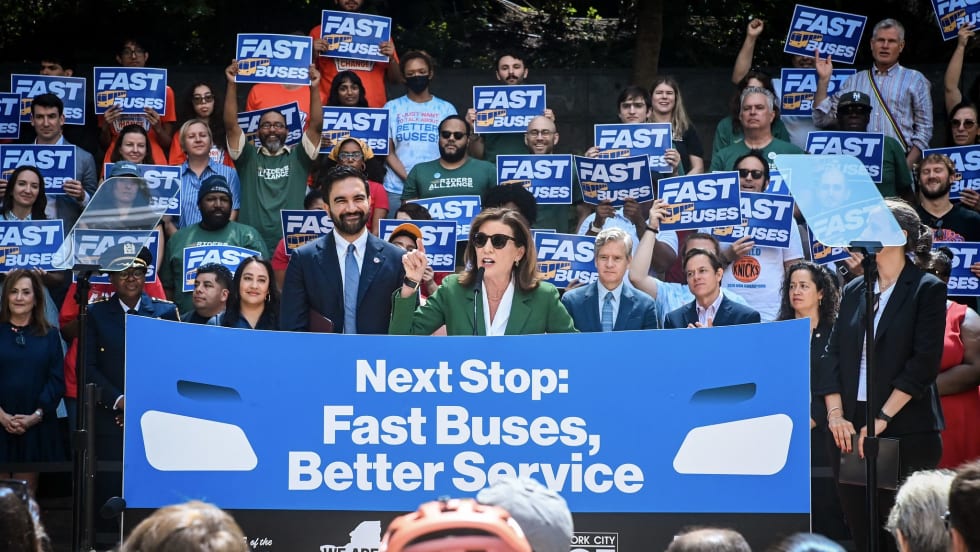
New York Unveils Sweeping Plan to Modernize City Bus Service
Next Stop: Fast Buses, Better Service identifies 50 priority bus corridors for improvements across the five boroughs and launches the City’s next generation of rapid bus service along five key routes.
Read More →