



Fla.'s JTA approves 'mobility optimization' plan
Will guide JTA’s response to these changes coupled with the increasing demand for regional connections.

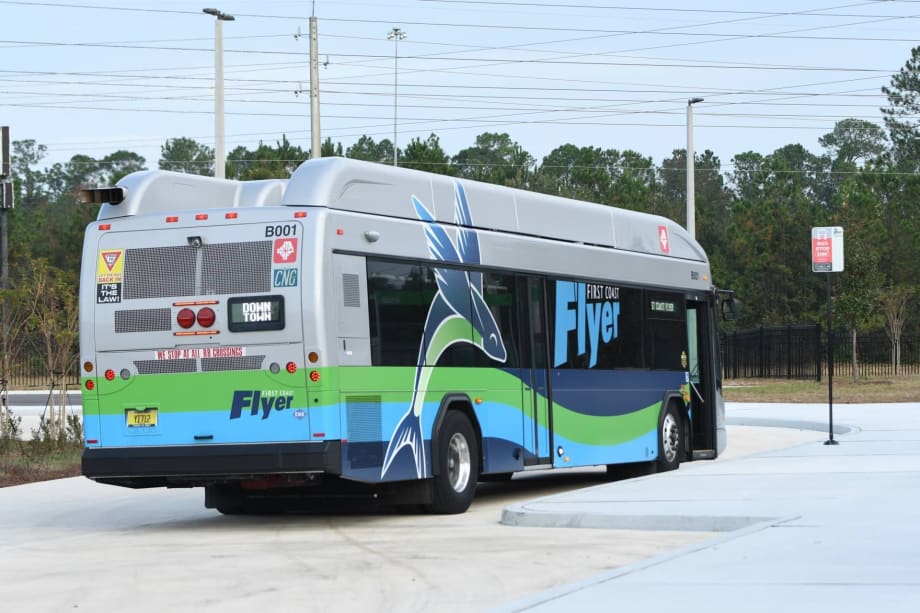
Under the MOVE plan, JTA will advance a seamless transition to and from other modes, enhance JTA’s high frequency network and act as a regional mobility integrator.
JTA
Under the MOVE plan, JTA will advance a seamless transition to and from other modes, enhance JTA’s high frequency network and act as a regional mobility integrator.
JTA
Fla.’s Jacksonville Transportation Authority (JTA) Board of Directors approved a plan to create a robust regional transportation system that relies on a combination of traditional mobility solutions, new innovations, technologies, and partnerships with transportation providers to efficiently take people where they want to go.
New technologies like autonomous and connected vehicles and new mobility solutions, such as ride-sharing services, are changing the transportation landscape. Mobility Optimization through Vision and Excellence, or MOVE, will guide JTA’s response to these changes coupled with the increasing demand for regional connections.
Under the MOVE plan, JTA will advance a seamless transition to and from other modes, enhance JTA’s high frequency network and act as a regional mobility integrator. JTA’s MOVE plan will better connect different and technologically complex modes of transportation and enable Northeast Florida customers to customize multimodal trips. These options include traditional public transit, innovative service options like microtransit, and shared mobility options from a mobile device.
MOVE will support the North Florida Transportation Planning Organization (TPO) Smart Region Master Plan. One of the Smart Region initiatives is the proposed “Bay Street Innovation Corridor,” which will demonstrate the impact when proven intelligent transportation systems and smart city infrastructure is deployed as a fully integrated “smart corridor.”
Several components of MOVE have already been implemented, including the MyJTA mobile payment app, First Coast Flyer North and Southeast Corridors, and taxi pilots, as well as alternative service delivery options, an integrated mobility app, and regional services are in development.
More New Mobility

ENC Unveils ZAVIR Medium-Duty Electric Shuttle at APTA EXPO
The new ZAVIR brand targets shuttle and paratransit operations with battery-electric and range-extended electric vehicle options.
Read More →
Public Transit Conference Returning to GFX in 2027, Call for Papers Now Open
The Call for Papers is now open, allowing transit agency professionals and industry experts to help shape the PTC educational program by submitting session ideas for consideration.
Read More →
Everett Transit, Community Transit Outline Consolidation Agreement
The proposed agreement calls for a 50% increase in bus service in Everett, a new microtransit zone, continued paratransit service, and the transfer of Everett Transit operations to Community Transit.
Read More →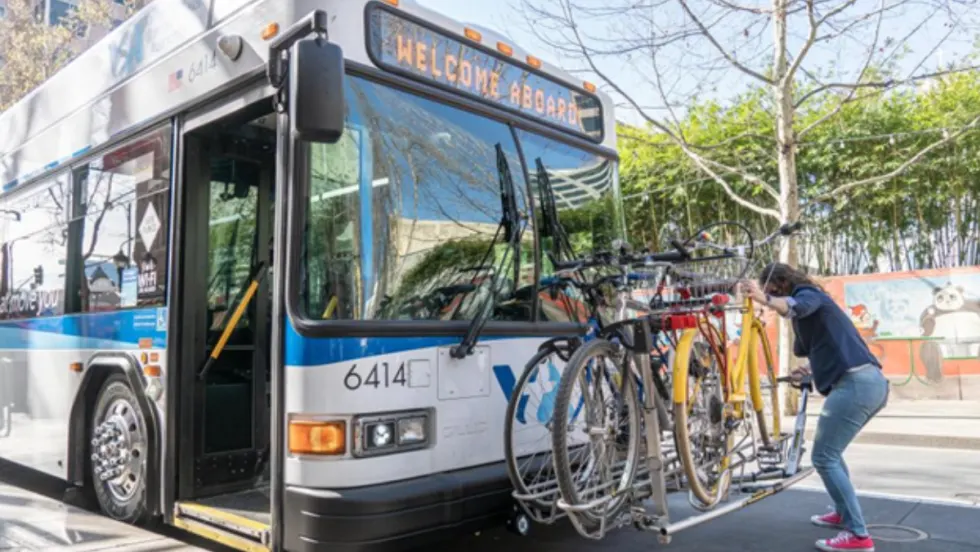
What Multimodal Data Can Tell Transit Agencies About Rider Demand
See how bike-on-bus data is giving transit agencies new insight into rider demand, capacity constraints, and gaps in first- and last-mile connections.
Read More →
From Hardware to Digital Partner: Luminator Charts Its Next Chapter
CEO Magnus Friberg discusses Luminator’s shift toward becoming a digital partner, the growing importance of software and interoperability, and how AI can help agencies improve operations and passenger experience.
Read More →
Biz Briefs: Alstom Lands Canadian Contract, LYT to Supply California TSP, and More
In METRO's latest installment, we take a look at recent news from Complete Coach Works, Beep, FlixBus, and more partnerships making headlines across the transportation sector.
Read More →
CharterUP’s Armir Harris on Technology, AI, and the Future of Group Mobility
In a recent episode of METROspectives, CharterUP Founder/CEO Armir Harris discussed the company’s evolution from an online charter bus marketplace into a technology platform supporting public- and private-sector mobility and much more.
Read More →
Jacksonville’s NAVI Project Charts a New Course for Autonomous Public Transportation
Through its NAVI program, JTA is showing how autonomous vehicles, intelligent infrastructure, and coordinated operations can work together to deliver everyday public transportation.
Read More →
Biz Briefs: Luminator Marks Milestone and More
From manufacturers and suppliers to transit agencies and motorcoach operators, these updates offer a snapshot of the projects, partnerships and business moves driving the industry forward.
Read More →
New Tricks for Old Bureaucracies: Joshua Schank on Making Transit Innovation Stick
Former LA Metro Chief Innovation Officer Joshua Schank discusses why good ideas aren't enough, how transit agencies can overcome resistance to change, and why today's challenges demand more innovation.
Read More →