



FlixBus officially begins U.S. operations
The launch marks the 28th country of operation for the German-born tech and travel pioneer — and the company’s biggest launch to date.

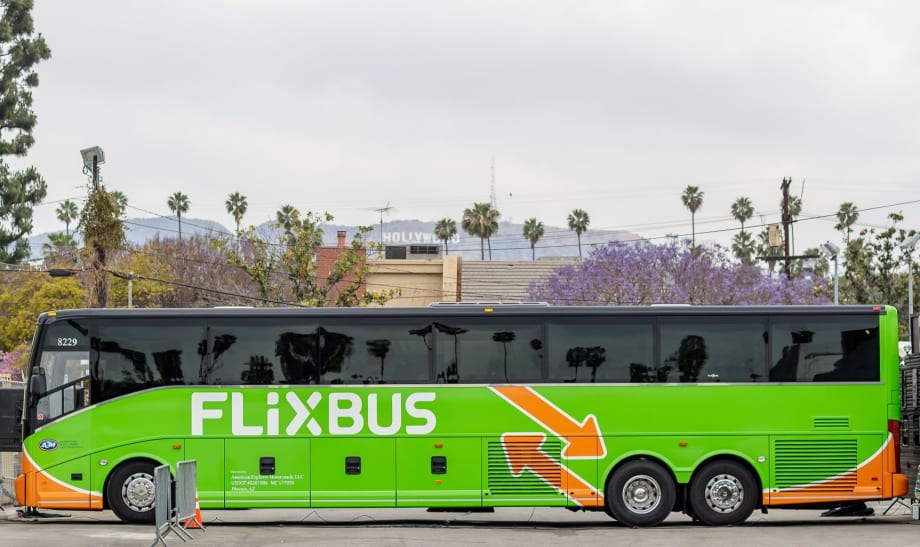
FlixBus is already preparing to announce an additional 400 connections to follow the initial influx of green buses upon launch.
FlixBus
FlixBus is already preparing to announce an additional 400 connections to follow the initial influx of green buses upon launch.
FlixBus
The first American FlixBus fleet is hitting the streets, starting with 180 connections across California, Nevada, and Arizona. The launch marks the 28th country of operation for the German-born tech and travel pioneer — and the company’s biggest launch to date.
FlixBus’ inaugural destinations include the region’s most popular hubs like Los Angeles, San Diego, Las Vegas, Phoenix, and others, offering one-way and round-trip routes in a luxury motorcoach at prices that often cost less than a coffee. After flourishing throughout Europe in five years’ time, advancing from market newcomer to the continent’s fastest-growing long-distance travel provider, the U.S. launch is the first phase of a larger plan to bring 1,000-plus daily connections to the American west coast by year’s end.
“If we’ve proven anything in the hyper-competitive travel markets of Europe, it’s that we’re survivors,” said Managing Director of FlixBus USA Pierre Gourdain. “America is a different beast entirely, but we’re prepared to change people’s mindsets about mobility. We believe everyone should be able to get where they want to go in life, and we found a way to make that dream a reality, comfortably and affordably. This is just the beginning for FlixBus in the United States.”
RELATED: FlixBus to expand to U.S. Southwest region
On top of buses being the most environmentally-friendly form of public transportation available, FlixBus passengers have the unique ability to offset their carbon emissions with CO2 Neutral tickets. When passengers select this option during the booking process, they support ecologically savvy efforts on the front lines of climate protection. For example, each CO2 Neutral ticket will help the National Forest Foundation plant trees to ensure the long-term wellbeing of our nation’s 193 acres of forests and grasslands. Every year, the company also partners with a global compensation project, with 2018 focusing on providing energy efficient stoves to locals in Rwanda.
“We have the chance to take up to 56 cars off the road with each FlixBus trip,” said Gourdain. “In terms of passenger miles per gallon, bus travel is widely recognized as the most sustainable way to travel. What’s more impressive to me personally is that FlixBus passengers are keeping the entire travel chain as green as possible. Seventy percent of our customers choose to ride with us even though they have access to a car, with most people riding a bike or walking to the stop.”
RELATED: Intercity Bus Lines Picking Up Speed
FlixBus is already preparing to announce an additional 400 connections to follow the initial influx of green buses upon launch. By the end of the year, the company aims to have more than 1,000 connections across the western U.S. Not only will this aid in increased tourism and cultural understanding, but FlixBus plans to create more jobs in the U.S. than what’s already been created in Europe. Putting that into perspective, current U.S. team aside, FlixBus has 1,200-plus employees, 7,000-plus bus drivers, and the residual employment effects continue to ripple as tourism demands increase throughout the various communities FlixBus services, according to the company.
More Motorcoach

METRO Opens Submissions for 2026 Motorcoach Awards
Nominations are now being accepted for METRO Magazine’s Operator of the Year and Innovative Operator of the Year awards.
Read More →
Biz Briefs: Alstom Lands Canadian Contract, LYT to Supply California TSP, and More
In METRO's latest installment, we take a look at recent news from Complete Coach Works, Beep, FlixBus, and more partnerships making headlines across the transportation sector.
Read More →
Biz Briefs: RIPTA Unveils New Frontrunners, Clevland RTA Adds New Siemens, and More
In METRO's latest installment, we take a look at recent news from Siemens, Prevost, Dodge, and more partnerships making headlines across the transportation sector.
Read More →
People Movement: Holly Arnold Joins Transdev and More
In this edition, we also cover recent appointments and announcements at Pace, CamTran, MCI, and more, showcasing the individuals helping to shape the future of transportation.
Read More →
ABA Report: Motorcoach Travel Generates $161.6B Economic Impact
The 2025 analysis finds motorcoach travel supported nearly 900,000 jobs and generated $28 billion in federal, state, and local taxes.
Read More →
CharterUP’s Armir Harris on Technology, AI, and the Future of Group Mobility
In a recent episode of METROspectives, CharterUP Founder/CEO Armir Harris discussed the company’s evolution from an online charter bus marketplace into a technology platform supporting public- and private-sector mobility and much more.
Read More →
People Movement: ABC Names John Walsh as Chief Commercial Officer
In this edition, METRO also covers recent appointments and announcements at the DART, STV, and more, showcasing the individuals helping to shape the future of transportation.
Read More →
From Surviving to Thriving: Building Stronger Transportation Organizations
Bus Business Consultants founder Brian Dickson shares lessons on leadership, organizational health, and creating options for long-term success in a changing transportation industry.
Read More →
Biz Briefs: Luminator Marks Milestone and More
From manufacturers and suppliers to transit agencies and motorcoach operators, these updates offer a snapshot of the projects, partnerships and business moves driving the industry forward.
Read More →
ABAF Study Reveals Growing Insurance Crisis for Motorcoach Operators
Preliminary findings show 98% of operators faced premium increases over the past five years, while shrinking insurer participation is putting added pressure on businesses and customers.
Read More →