



Former Chicago, D.C. transportation official joins TransLoc
Gabe Klein has held key positions in both the public and private sectors, and has been a leading voice for leveraging the use of data and technology to integrate mobility systems at the city and regional levels.


Gabe Klein launched two of the first and largest bikeshare systems in the U.S., built protected bike lanes and better pedestrian infrastructure, and facilitated carshare and rideshare services to help achieve mobility goals. Photo: TransLoc

Gabe Klein launched two of the first and largest bikeshare systems in the U.S., built protected bike lanes and better pedestrian infrastructure, and facilitated carshare and rideshare services to help achieve mobility goals. Photo: TransLoc
Gabe Klein, the former transportation chief for the cities of Chicago and Washington, D.C., has joined TransLoc, a technology provider of flexible, agency-owned microtransit solutions, as strategic advisor. Klein has held key positions in both the public and private sectors, and has been a leading voice for leveraging the use of data and technology to integrate mobility systems at the city and regional levels.
Klein has served as the Director of D.C.’s Department of Transportation and as the Commissioner of the Chicago Department of Transportation, overhauling use of technology and government processes while focusing on putting riders first. He launched two of the first and largest bikeshare systems in the U.S., built protected bike lanes and better pedestrian infrastructure, and facilitated carshare and rideshare services to help achieve mobility goals.
Klein career has been centered on mobility and technology issues. As a co-founder of CityFi, he helps leaders and organizations grapple with 21st century challenges through the use of technology and people-centric principles. He helped build Zipcar as a VP from 2002 through 2006, and regularly consults with cities and private companies on shared transport systems. He was previously a senior visiting fellow for the Urban Land Institute and is also the author of “Start-Up City: Inspiring Private and Public Entrepreneurship, Getting Projects Done, and Having Fun.”
Klein’s appointment comes during a period of significant growth. The company also recently announced its status as a Google partner and the launch of its MicroTransit Simulator, a new predictive modeling service for rapid simulation of potential new demand-response transit services that leverages big data and proprietary, market-tested scheduling algorithms.
More New Mobility

ENC Unveils ZAVIR Medium-Duty Electric Shuttle at APTA EXPO
The new ZAVIR brand targets shuttle and paratransit operations with battery-electric and range-extended electric vehicle options.
Read More →
Public Transit Conference Returning to GFX in 2027, Call for Papers Now Open
The Call for Papers is now open, allowing transit agency professionals and industry experts to help shape the PTC educational program by submitting session ideas for consideration.
Read More →
Everett Transit, Community Transit Outline Consolidation Agreement
The proposed agreement calls for a 50% increase in bus service in Everett, a new microtransit zone, continued paratransit service, and the transfer of Everett Transit operations to Community Transit.
Read More →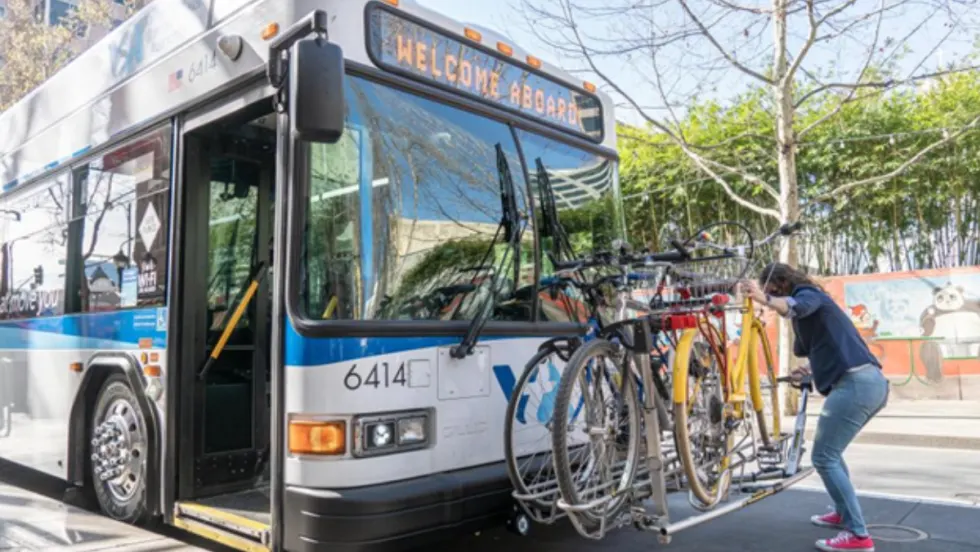
What Multimodal Data Can Tell Transit Agencies About Rider Demand
See how bike-on-bus data is giving transit agencies new insight into rider demand, capacity constraints, and gaps in first- and last-mile connections.
Read More →
From Hardware to Digital Partner: Luminator Charts Its Next Chapter
CEO Magnus Friberg discusses Luminator’s shift toward becoming a digital partner, the growing importance of software and interoperability, and how AI can help agencies improve operations and passenger experience.
Read More →
Biz Briefs: Alstom Lands Canadian Contract, LYT to Supply California TSP, and More
In METRO's latest installment, we take a look at recent news from Complete Coach Works, Beep, FlixBus, and more partnerships making headlines across the transportation sector.
Read More →
CharterUP’s Armir Harris on Technology, AI, and the Future of Group Mobility
In a recent episode of METROspectives, CharterUP Founder/CEO Armir Harris discussed the company’s evolution from an online charter bus marketplace into a technology platform supporting public- and private-sector mobility and much more.
Read More →
Jacksonville’s NAVI Project Charts a New Course for Autonomous Public Transportation
Through its NAVI program, JTA is showing how autonomous vehicles, intelligent infrastructure, and coordinated operations can work together to deliver everyday public transportation.
Read More →
Biz Briefs: Luminator Marks Milestone and More
From manufacturers and suppliers to transit agencies and motorcoach operators, these updates offer a snapshot of the projects, partnerships and business moves driving the industry forward.
Read More →
New Tricks for Old Bureaucracies: Joshua Schank on Making Transit Innovation Stick
Former LA Metro Chief Innovation Officer Joshua Schank discusses why good ideas aren't enough, how transit agencies can overcome resistance to change, and why today's challenges demand more innovation.
Read More →