



FRA makes $311M available for capital rail projects
The CRISI grant program also directs investment to rural America, with at least 25% of available funds reserved for projects in rural communities.

The Federal Railroad Administration (FRA) issued a Notice of Funding Opportunity (NOFO) for the Consolidated Rail Infrastructure and Safety Improvements (CRISI) Program.
With funding provided in the Further Consolidated Appropriations Act, 2020, this NOFO will fund up to $311.8 million in freight and passenger rail projects that improve transportation safety, efficiency, and reliability as authorized under the Fixing America’s Surface Transportation Act. Eligible applications for competitive selection include projects that address congestion challenges, highway-rail grade crossings, upgrade short line or regional railroad infrastructure, relocate rail lines, improve intercity passenger rail capital assets, and deploy railroad safety technology.
The CRISI grant program also directs investment to rural America, with at least 25% of available funds reserved for projects in rural communities.
FRA will consider how projects support key objectives, including enhancing economic vitality; leveraging federal funding; adopting life-cycle accounting; using innovative approaches to improve safety and expedite project delivery; and holding grantees accountable for achieving specific, measurable outcomes. Preference will be given to projects where the proposed federal share of total costs does not exceed 50%.
FRA may also consider geographic diversity; diversity in the size of the systems receiving funding; the applicant’s receipt of other competitive awards; and projects located in, or that support transportation service in, qualified opportunity zones.
In addition, $45 million of the $311.8 million is available for projects eligible under 49 U.S.C. 22907(c)(2) that require the acquisition of rights-of-way, track, or track structure to support developing new intercity passenger rail service routes.
Applications for funding under this NOFO are due 60 days after the date of publication in the Federal Register. Following publication, FRA will offer web-based training and technical assistance for eligible applicants.
More Rail
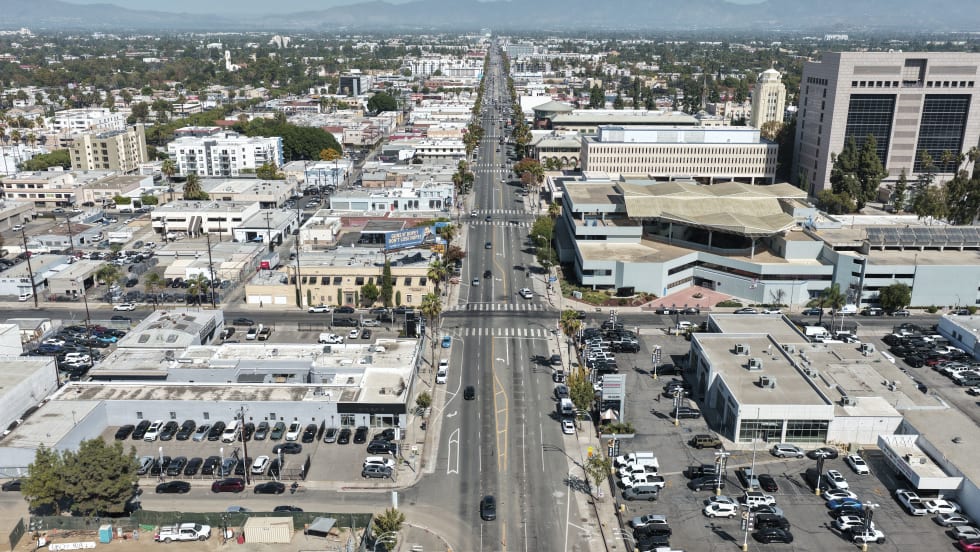
LA Metro Breaks Ground on East San Fernando Valley Light Rail Project
The 6.7-mile line will add 11 stations along Van Nuys Boulevard, expand access to jobs and regional transit connections, and support Metro’s broader efforts to improve mobility as rail ridership grows.
Read More →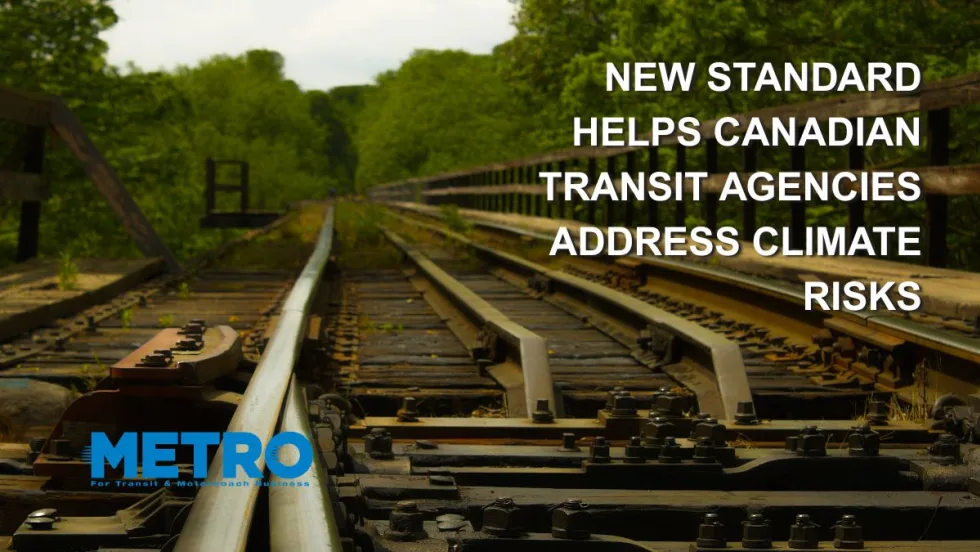
CSA Group Releases Climate Resilience Standard for Transit, Passenger Rail
Developed with support from the Standards Council of Canada, CSA D700 guides assessing climate-related risks and planning adaptation measures for transit and passenger rail systems.
Read More →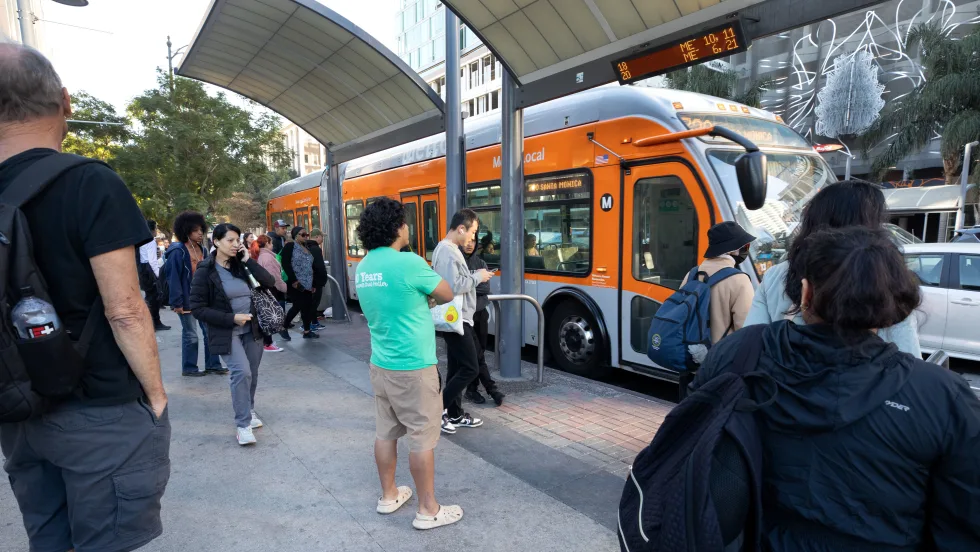
LA Metro September Ridership Climbs 3.9%, Led by Rail Growth
The agency recorded more than 27.2 million boardings, with rail ridership increasing 12.4% year over year and the D Line posting the largest gains.
Read More →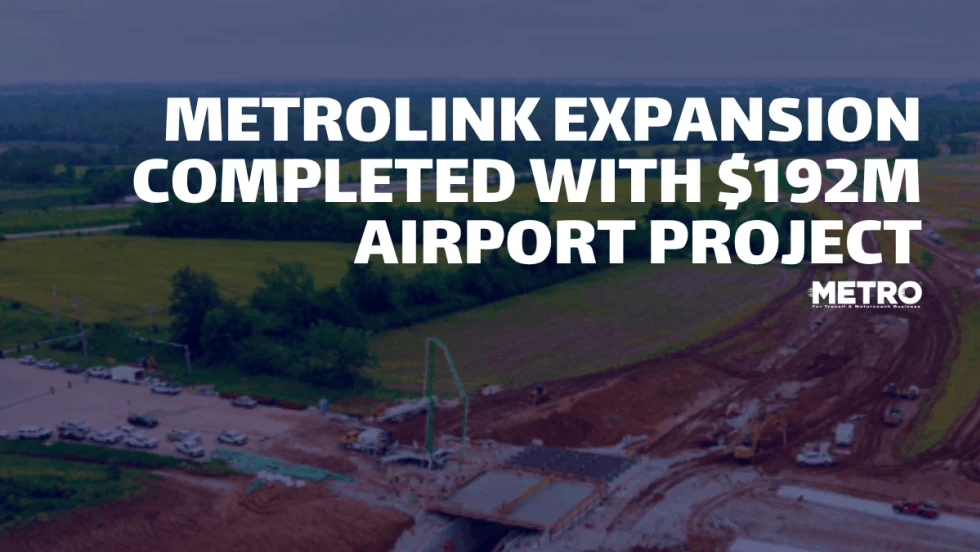
First Full MetroLink Rail Expansion Completed in 20 Years with $192M Airport Project
The project links two St. Louis-area airports by light rail while adding roadway and bike trail connections to improve regional access and mobility.
Read More →
Utilimarc Launches SmartReplace to Optimize Fleet Replacement Decisions
AI-powered SmartReplace helps fleets prioritize vehicle replacements, model budget scenarios, and build more defensible long-term strategies.
Read More →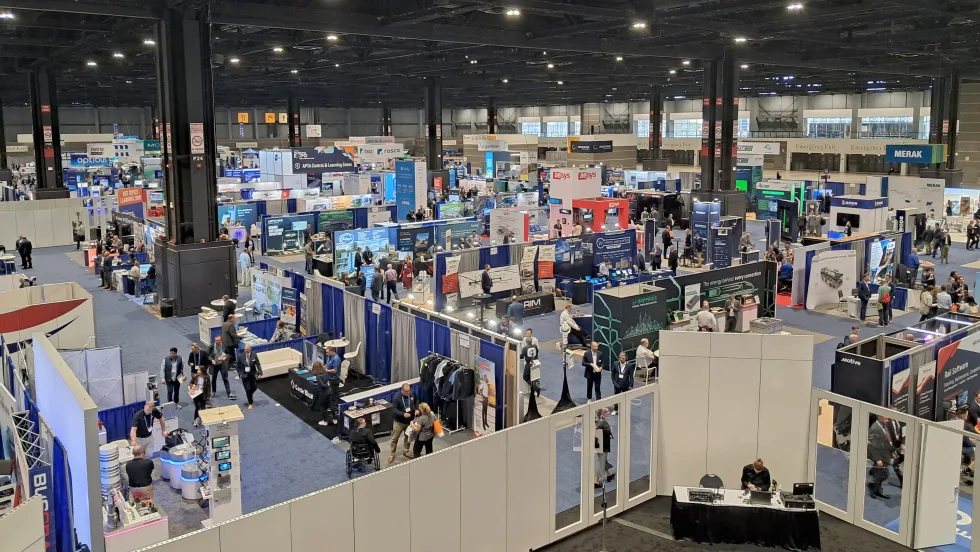
Scenes from APTA TRANSform & EXPO 2026
Transit leaders, manufacturers, and industry professionals gathered in Chicago to explore new technologies, share ideas, and discuss the future of public transportation.
Read More →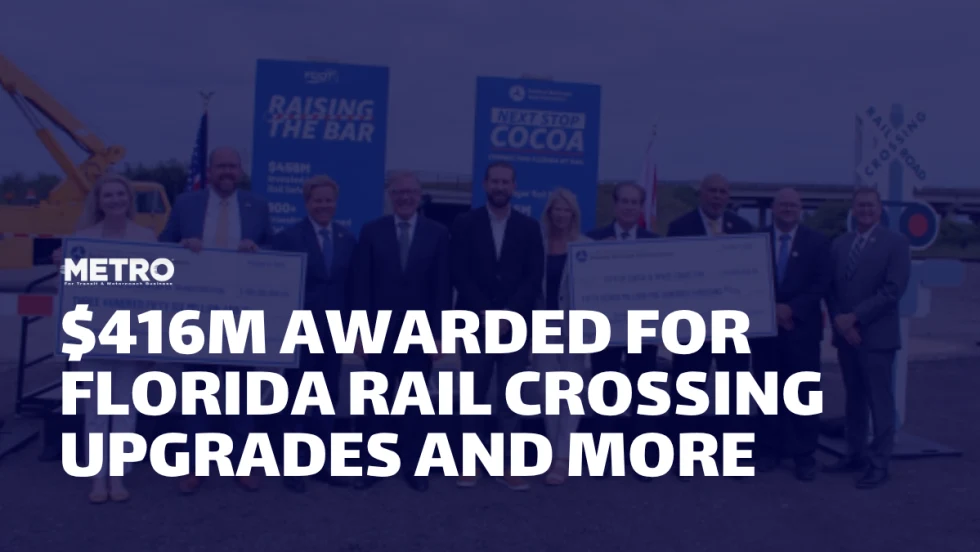
USDOT Awards $416 Million for Florida Rail Crossing Safety Upgrades, New Brightline Station
The projects aim to reduce risks for motorists and pedestrians at rail crossings while expanding passenger rail access along Florida’s Space Coast.
Read More →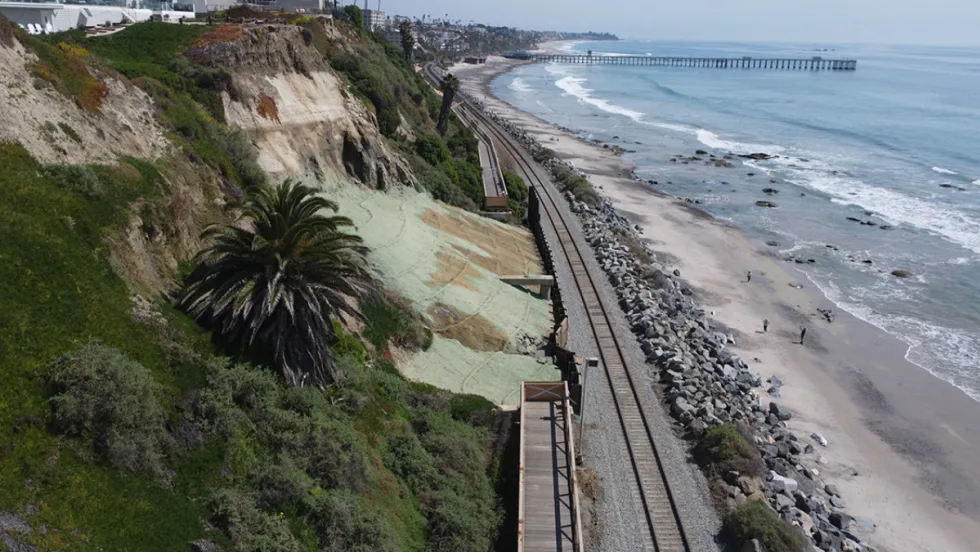
OCTA Declares Emergency to Protect Rail Corridor From Coastal Erosion
The California agency is accelerating shoreline protection and plans to place approximately 690,000 cubic yards of sand along the San Clemente coast to protect a key passenger and freight rail link.
Read More →
More Than a Summer Job: Building the Next Generation of Transit Talent
The Delaware River Port Authority and PATCO have transformed their internship program into a hands-on professional development experience that introduces students to the breadth of transportation careers — and creates a pipeline for future employees.
Read More →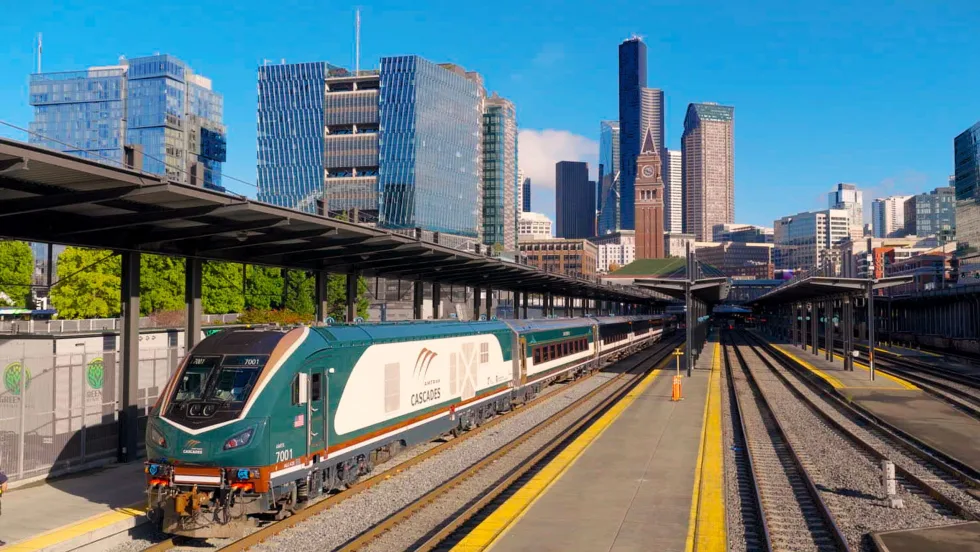
Airo Trains Make Their Amtrak Cascades Debut in the Pacific Northwest
Effective immediately, two cutting-edge Airo trainsets will join the Amtrak Cascades route, operating four daily trips between Vancouver, B.C., Seattle, Portland, and Eugene, Oregon, marking the first introduction of Airo trains into passenger service anywhere in the country.
Read More →