



FRA provides $369M for rail capital projects
Funds projects that repair, replace, or rehabilitate railroad assets to reduce the SOGR backlog and improve intercity passenger rail.

New FRA State of Good Repair funds will cover projects that repair, replace, or rehabilitate railroad assets to reduce the SOGR backlog and improve intercity passenger rail performance.
New FRA State of Good Repair funds will cover projects that repair, replace, or rehabilitate railroad assets to reduce the SOGR backlog and improve intercity passenger rail performance.
The U.S. Federal Railroad Administration (FRA) issued a Notice of Funding Opportunity (NOFO) for the Federal-State Partnership for State of Good Repair Program (Partnership Program). The NOFO includes $396 million in grant funding.
The Fiscal Year 2019 Partnership Program will fund projects that repair, replace, or rehabilitate qualified railroad assets to reduce the state of good repair backlog and improve intercity passenger rail performance. Eligible applications will address projects that may include track, ballast, switches and interlockings, bridges, communication and signal systems, power systems, grade crossings, station buildings, support systems, signage, track and platform areas, passenger cars, locomotives, maintenance-of-way equipment, yards, terminal areas, and maintenance shops.
The Partnership Program grants are intended to benefit publicly- or Amtrak-owned or -controlled passenger rail infrastructure, equipment, and facilities in rural and urban American communities.
The FRA will consider how projects support key objectives, including enhancing economic vitality; leveraging federal funding; using innovative approaches to improve safety and expedite project delivery; and holding grant recipients accountable for achieving specific, measurable outcomes. The federal share of a project’s total costs must not exceed 80%, although preference will be given to those projects where the proposed federal share is 50% or less.
“I strongly encourage all eligible parties to take full advantage of this opportunity,” said FRA Administrator Ronald L. Batory.
The FY19 Partnership Program NOFO will be published in the Federal Register on October 8, 2019, and applications for funding are due December 9, 2019. Following publication, FRA will offer web-based training and technical assistance for eligible applicants.
For more details about the Partnership Program, visit https://www.fra.dot.gov/Page/P1175.
More Rail
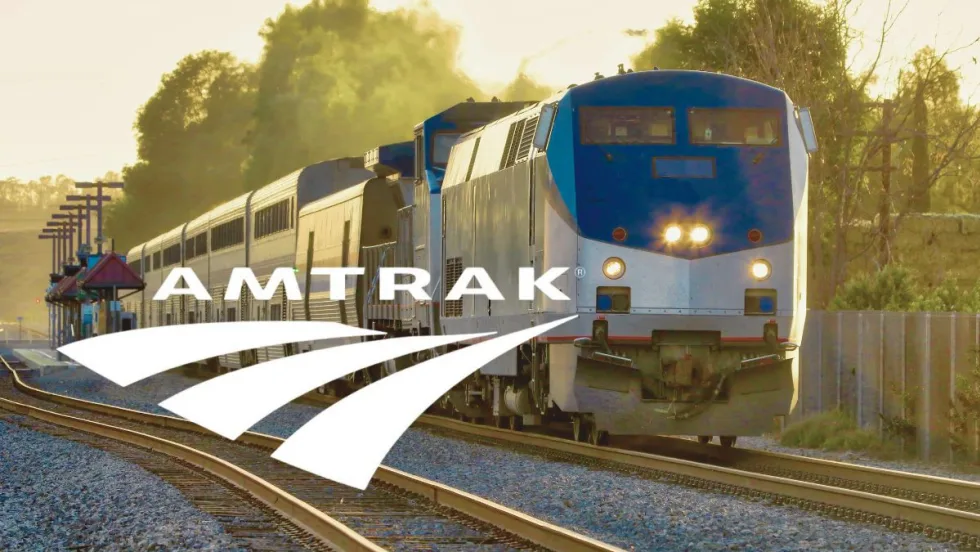
Amtrak, CN Reach Agreements to Strengthen Passenger Rail Service, Safety
The agreement resolves a more than decade-long proceeding before the Surface Transportation Board concerning the terms and conditions for Amtrak services, such as the City of New Orleans, Illini/Saluki, and Wolverine.
Read More →
New York MTA Advances Final Contract for Second Avenue Subway Expansion
Contract Four is the largest in the Second Avenue Subway Phase 2 project and includes construction of station infrastructure, tracks, and signals for the subway expansion, MTA officials said. Work on Contract Four will begin in 2027.
Read More →
San Diego MTS Breaks Monthly Trolley Ridership Record
Agency officials said July’s ridership indicates MTS’s continued recovery from the pandemic.
Read More →
Report Examines NJ TRANSIT Reliability, Funding Challenges
The Garden State Initiative analysis examines the roles of Amtrak infrastructure, fleet management, and agency operations while recommending a more performance-based approach to improving reliability.
Read More →
Stadler, CapMetro Sign Long-Term Rail Fleet Support Agreement
Beginning in 2027, Stadler will provide on-site technical expertise, spare parts support, training, and obsolescence management to help extend the reliability and longevity of CapMetro’s GTW fleet.
Read More →
Biz Briefs: Alstom Lands Canadian Contract, LYT to Supply California TSP, and More
In METRO's latest installment, we take a look at recent news from Complete Coach Works, Beep, FlixBus, and more partnerships making headlines across the transportation sector.
Read More →
CATS Gold Line Marks 5 Years of Service, 2.8M Passenger Trips
With a six-mile expansion planned, the Charlotte streetcar is positioned to connect more neighborhoods and major transit hubs across the region.
Read More →
Why Simulating Pedestrian Movement Has Become Essential for Modern Rail Stations
Pedestrian microsimulation is helping rail planners identify bottlenecks, test station designs, and prepare complex transit hubs for growing passenger volumes.
Read More →
Amtrak Begins Major Construction at New York’s Sunnyside Yard
The new maintenance facility will support Amtrak’s Airo trainsets while improving maintenance efficiency and turnaround times in New York.
Read More →
Chicago Leaders Unveil Plans for O’Hare Airport Express Train
The privately developed project would offer a 15-minute trip between downtown and O’Hare’s Terminal 2, with trains operating every 15 minutes on a dedicated track. The service would use battery-electric trains and three existing freight rail rights-of-way.
Read More →