



Freightliner debuts 2 products at BusCon
Offering commercial bus builders an unparalleled combination of technology, functionality and performance, the new X-Ride suspension will be available on FCCC’s XB Series chassis, a rear-engine, straight rail diesel chassis.

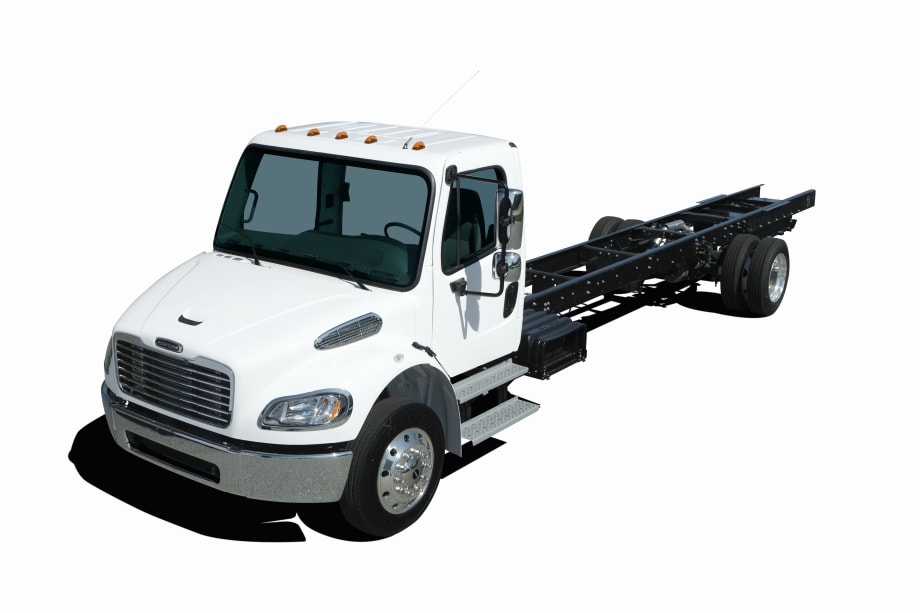
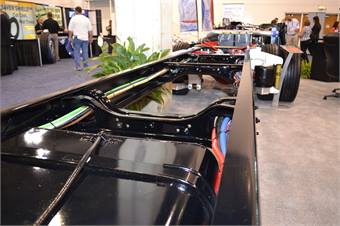
Freightliner Custom Chassis Corp. (FCCC) unveiled two new products at BusCon this week in Chicago — the 23,000-lb X-Ride commercial bus suspension and the newest version of the S2C commercial bus chassis.
Offering commercial bus builders an unparalleled combination of technology, functionality and performance, the new X-Ride suspension will be available on FCCC’s XB Series chassis, a rear-engine, straight rail diesel chassis. The X-Ride offers coach builders a new, unique combination of two superior design elements — a four-point link and four-bag suspension.
The X-Ride’s 4-point link offers commercial bus builders ample axle control in even extreme driving conditions, increased ground clearance and a decrease in system weight. The 4-bag suspension also contributes to the X-Ride’s significant reduction in system weight, lessens suspension noise, offers a more stable ride and lowers maintenance costs.
In addition, the X-Ride utilizes fewer individual components, which streamlines and simplifies maintenance and lowers maintenance cost over the life of the suspension and chassis.
FCCC OEM partner Eldorado is developing 2014 model, the Arrivo, on the XBS and its X-Ride suspension; Eldorado also displayed the new coach at BusCon.
Meanwhile, the new S2C chassis showcased by FCCC at this year’s BusCon, powered by a Cummins ISB 6.7 engine with 660 ft.-lbs of torque, offers 300hp — the first S2C model to reach that horsepower mark.
The S2C’s innovative design emphasizing easy engine access, high driver visibility and outstanding operational efficiency, the new chassis is ideal for a variety of bus applications, including public transportation, resort/hotel shuttles, day-tour operators and businesses with highly specialized transport needs.
The new Cummins ISB pushes the S2C’s horsepower to 300 for the first time and is the newest addition to a list of features focused on making the chassis as efficient and versatile as possible.
In addition to being the first bus cab chassis designed specifically for cutaway bus bodies, some more of the S2C’s most important standard features include:
Twenty percent larger windshield, offering increased driver visibility of up to 50%.
Sixty- or 100-gallon fuel tanks, which reduce fuel stops.
Fifty-five-degree wheel cut for improved maneuverability.
Low-effort, easy-tilt hood for easy engine access.
Pin-slide disc brakes for reduced maintenance.
Optional full air-disc brakes with 22.5-inch wheels.
Ergonomically designed dash for optimized driver experience.
Between-the-rail fuel tank for more opportunity for skirt-located features.
In addition, the S2C can be equipped with optional Americans with Disabilities Act wiring, which offers body builders interface connections, and the chassis’ exhaust clearance can be configured to allow for an in-step wheelchair lift, giving builders more customization options.
More Bus

New York MTA Plans Largest Bus Fleet Upgrade in More Than a Decade
The agency is seeking manufacturers for 650 new CNG buses to replace aging vehicles, improve reliability, and advance its broader fleet modernization strategy.
Read More →
Building a Flexible Path to Transit Electrification
John Hroncich discusses BAE Systems’ modular and scalable approach, lessons learned from decades of real-world operations, and how agencies can identify electrification strategies that fit their fleets.
Read More →
Bus Tech Talk: Keeping Transit Technicians Ahead of the Technology Curve
LA Metro’s Obed Mejia discusses technician training, evolving maintenance technology, fleet replacement, and strategies for getting the most out of today’s transit fleets.
Read More →
Biz Briefs: RIPTA Unveils New Frontrunners, Clevland RTA Adds New Siemens, and More
In METRO's latest installment, we take a look at recent news from Siemens, Prevost, Dodge, and more partnerships making headlines across the transportation sector.
Read More →
People Movement: Holly Arnold Joins Transdev and More
In this edition, we also cover recent appointments and announcements at Pace, CamTran, MCI, and more, showcasing the individuals helping to shape the future of transportation.
Read More →
The High Cost of Transit Buses: Industry Leaders Look to Procurement Reform
Transit leaders and policymakers examine how standardized bus designs, streamlined procurement, and predictable funding could help agencies stretch budgets and deliver better service.
Read More →
The Business Voice Behind Public Transportation
As chair of APTA’s Business Members Board of Governors, Ray Melleady explains how more than 850 business members are partnering with transit agencies to advance funding, innovation, and industry-wide collaboration.
Read More →
From Surviving to Thriving: Building Stronger Transportation Organizations
Bus Business Consultants founder Brian Dickson shares lessons on leadership, organizational health, and creating options for long-term success in a changing transportation industry.
Read More →
Finding the ‘Happy Medium’: Optimizing Maintenance Without Sacrificing Reliability
The key to maintenance optimization isn’t doing less work—it’s doing the right work at the right time on the right assets.
Read More →
LA Metro, City of West Hollywood, and Partners Advance Smarter Bus Lane Enforcement
The award-winning partnership combines AI-powered detection with human oversight to improve bus reliability, accessibility, and enforcement efficiency.
Read More →