




Related: FTA finds serious safety lapses at WMATA, implements NTSB safety recs
FTA approves WMATA plan to address safety issues
Administration now calls on WMATA to provide unwavering focus and attention to effectively implement the plan and better provide the level of safety its passengers and workers deserve.
September 25, 2015
EliPatwood
2 min to read
EliPatwood
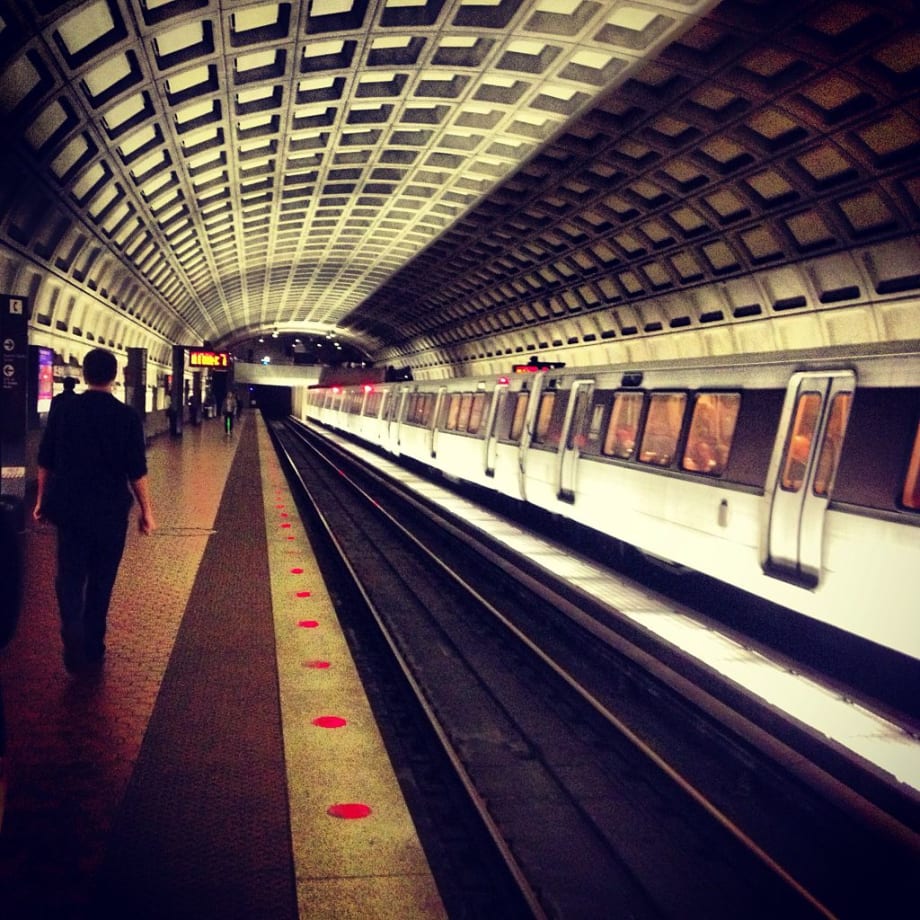
The Federal Transit Administration (FTA) approved the Washington Metropolitan Area Transit Authority’s (WMATA) corrective action plan to improve the safety of its Metrorail and Metrobus systems as required by an FTA Safety Directive. FTA now calls on WMATA to provide unwavering focus and attention to effectively implement the plan and better provide the level of safety its passengers and workers deserve.
“WMATA must demonstrate a renewed commitment to set a higher standard of safety for its riders and employees,” said U.S. Secretary of Transportation Anthony Foxx. “This plan is an opportunity for WMATA to make lasting changes and restore public confidence in its system.”
Using the new safety oversight authorities established under the Moving Ahead for Progress in the 21st Century Act of 2012 (MAP-21), FTA conducted a Safety Management Inspection (SMI) in the spring of 2015 and evaluated WMATA’s operations and maintenance programs, safety management capabilities, and organizational structures to assess compliance with WMATA’s own procedures and rules, federal regulations and FTA Safety Advisories. The SMI revealed several areas of organizational deficiency and operational concerns and included 54 safety findings, 44 for Metrorail and 10 for Metrobus.
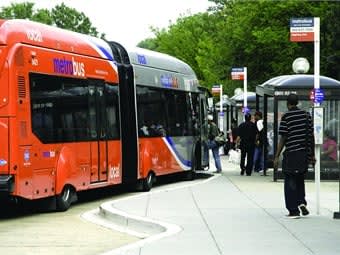
In June 2015, FTA issued a Safety Directive to WMATA detailing 91 required actions to address the safety concerns identified by the SMI, including 78 actions to be completed by Metrorail and 13 by Metrobus. The Safety Directive also directed WMATA to submit for FTA approval a corrective action plan to address each of the required actions.
“It is critical that WMATA effectively implement its corrective action plan,” said FTA Acting Administrator Therese McMillan. “And on a broader scale, to truly manage its safety risk on an ongoing basis, WMATA must demonstrate strong and consistent leadership, combined with a strong safety culture throughout its organization.”
McMillan stressed that the WMATA board of directors and its management team must closely monitor the time and resources made available to carry out this corrective action plan, particularly for those items related to the Rail Operations Control Center, employee safety training and system maintenance, including increasing track time for maintenance work.
The FTA will closely track and monitor WMATA’s implementation progress. A required action will be closed only after WMATA has met related performance measures and FTA can verify that WMATA has demonstrated its successful implementation. In addition, FTA will consult with WMATA’s State Safety Oversight Agency, the Tri-State Oversight Committee, before closing required actions related to Metrorail.
Under the approved plan submitted by WMATA, most of the 91 required actions will be completed during the 2015-2017 time period, with a few actions extending into 2019.
More Security and Safety

Transit Agencies Highlight Safety Gains at National Summit
Leaders from 15 major transit systems shared crime-reduction results and safety initiatives while discussing the role of continued federal support.
Read More →
DART Launches Major Security, Fare Enforcement Initiative
The 90-day demonstration will deploy coordinated security teams at five light rail stations while testing controlled access and gathering data to guide future investments.
Read More →
RTD Launches NextRide App to Consolidate Trip Planning, Fares, Security Reporting
The app expands on RTD’s existing NextRide web application and allows customers to view real-time vehicle locations and service alerts, purchase and store digital fares, and access customer support.
Read More →

TAPTCO Updates OSHA Compliance Training for Transit Maintenance Operations
The revamped program addresses 26 OSHA standards for maintenance facilities, with TAPTCO pointing to training, documentation, and everyday shop hazards as continuing challenges for transit operations.
Read More →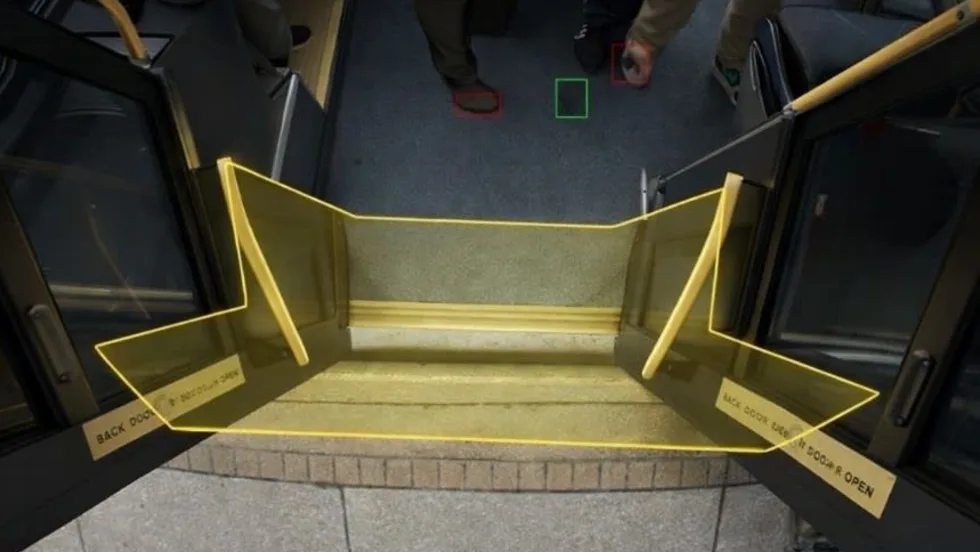
Sponsored•August 18, 2026
How VaporVision Adds Value to Transit Door Systems
Wabtec engineers explain how the system improves doorway detection, strengthens diagnostics and gives transit agencies and OEMs greater operating flexibility.
Read More →
FRA Announces $5.3B in Rail Investments, Including $2B for Amtrak
Funding will support grade-crossing improvements, infrastructure upgrades, and new Amtrak equipment in 23 states.
Read More →
Chicago, Maryland Expand Non-Law-Enforcement Safety, Rider Support
The CTA and MTA are launching new programs aimed at de-escalation, crisis response, rider assistance, and greater transparency.
Read More →
LA Metro, City of West Hollywood, and Partners Advance Smarter Bus Lane Enforcement
The award-winning partnership combines AI-powered detection with human oversight to improve bus reliability, accessibility, and enforcement efficiency.
Read More →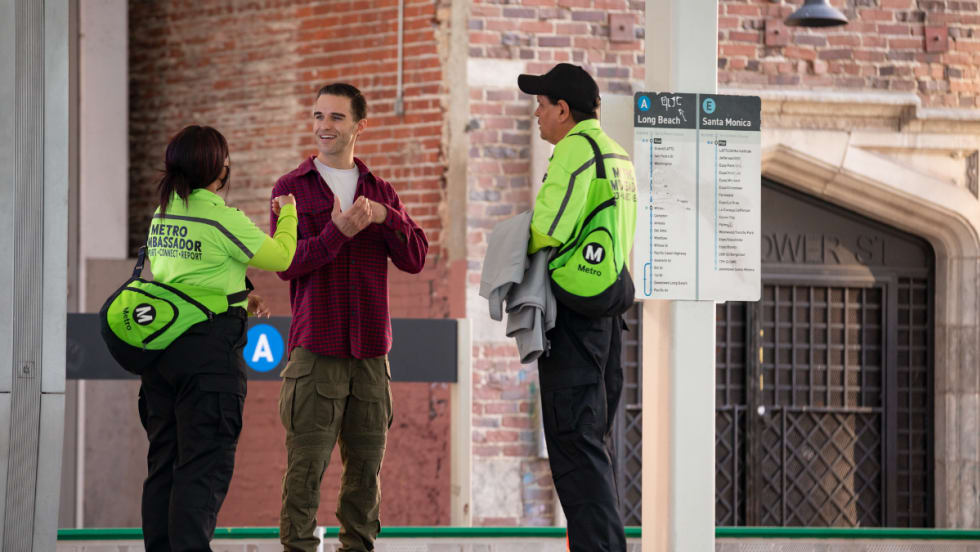
LA Metro Reports 57% Decline in Homelessness on Transit System Since 2024
The agency's latest homelessness count offers new data on how care-based services and cross-sector partnerships can complement traditional transit security strategies.
Read More →
FTA Launches 'Transit Moves America' Dashboard to Highlight Agency Safety and Performance
The online dashboard transforms National Transit Database information into a public-facing resource that allows users to compare transit agencies on key operational and safety metrics.
Read More →