



FTA awards $264M in grants for bus and bus facilities
Will fund projects to replace, rehabilitate, and purchase buses and related equipment, as well as projects to purchase, rehabilitate, and construct bus-related facilities.

The Federal Transit Administration (FTA) announced approximately $264 million in project selections to improve the safety and reliability of America’s bus systems and enhance mobility for transit riders across the country. A total of 139 projects in 52 states and territories will receive funding from FTA’s Buses and Bus Facilities Infrastructure Investment Program. A list of the selected projects is available here.
“Every day, working families across America rely on buses, and these grants will ensure that these vital services continue to be both safe and efficient,” said U.S. Transportation Secretary Elaine L. Chao.
The grants will fund projects to replace, rehabilitate, and purchase buses and related equipment, as well as projects to purchase, rehabilitate, and construct bus-related facilities, such as buildings for bus storage and maintenance.
“FTA is proud to help bring new and rehabilitated buses, facilities, and equipment to communities across the country,” said FTA Acting Administrator K. Jane Williams. “This marks a step forward in improving mobility for the millions of Americans who travel by bus to work, school, healthcare, and other services.”
Among the projects selected to receive funding:
The Miami-Dade County Department of Transportation and Public Works in Florida will receive funding to purchase CNG buses to replace older buses that have exceeded their useful life. The new buses will improve the efficiency and reliability of the bus service in the Miami area.
The Port Authority of Allegheny County in Pennsylvania will receive funding to purchase low-floor clean diesel buses. The new vehicles will improve transit service and reliability for residents of Pittsburgh and Allegheny County.
The Tennessee Department of Transportation will receive funding to help transit agencies throughout the state improve bus service by replacing older transit vehicles that have exceeded their useful life. The new vehicles will help improve transit service and reliability for residents throughout Tennessee.
Demand for FTA’s Buses and Bus Facilities Infrastructure Investment Program far exceeded available funds, as FTA received applications for 453 eligible projects totaling approximately $2 billion in funding requests from a total of 53 States and territories. Project proposals were evaluated based on criteria outlined in the Notice of Funding Opportunity. The selected projects will receive a combination of fiscal year 2017 and 2018 funds.
More Management

Building Stronger Leaders, More Resilient Transit Teams
Dr. Carol Parker Walsh discusses leadership development, employee retention, workplace culture, and preparing transit’s workforce for AI and automation.
Read More →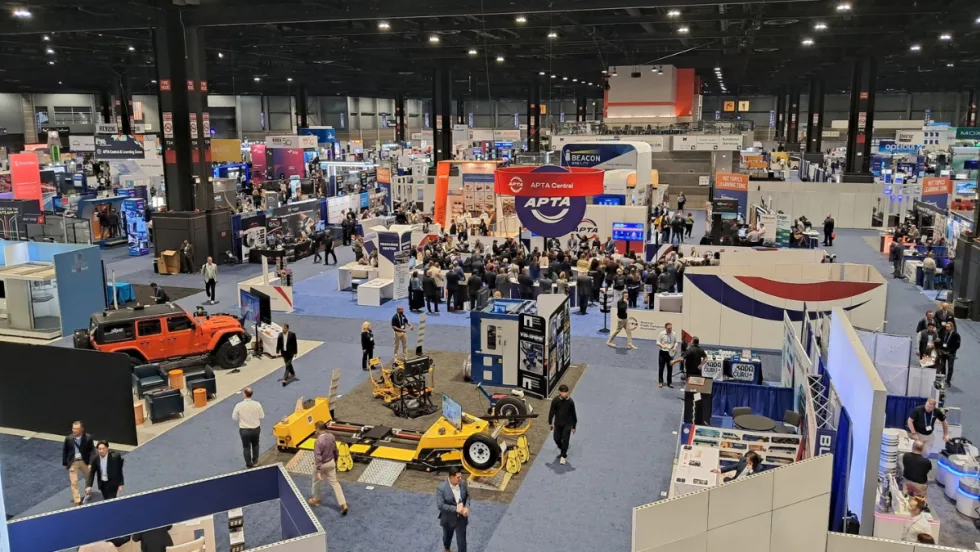
APTA 2026 TRANSform & EXPO Kicks Off in Chicago
After 45 years, APTA returns to Chicago with a focus on next-generation fleets, AI, connected transit networks, and the funding strategies shaping public transportation’s future.
Read More →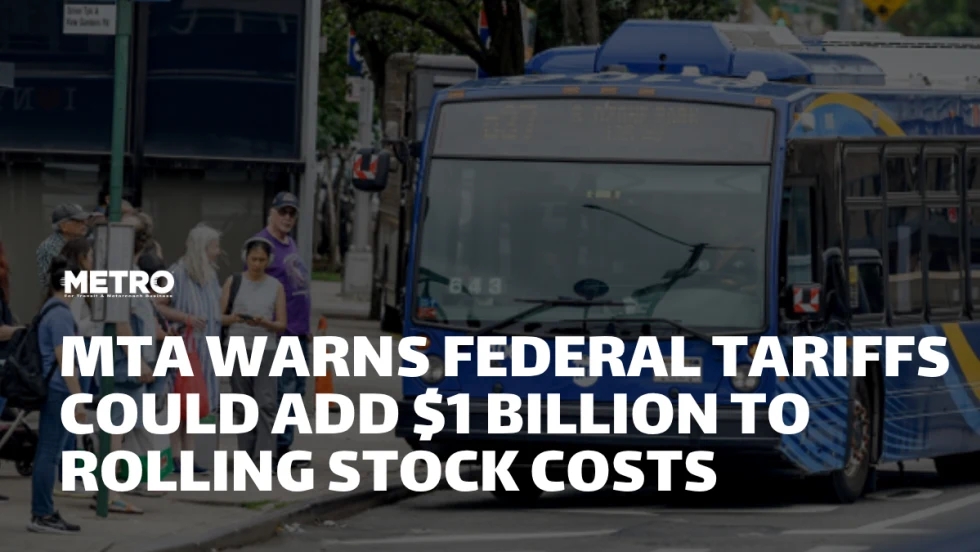
New York MTA Warns Federal Tariffs Could Add $1 Billion to Rolling Stock Costs
The agency said tariffs on specialized imported components could reduce the purchasing power of its $23 billion investment in new subway cars, railcars, and buses.
Read More →
From the Show Floor: What’s Happening at APTA TRANSform & EXPO 2026
Follow the latest product launches, partnerships, technology updates, and transit industry announcements coming out of APTA TRANSform & EXPO in Chicago.
Read More →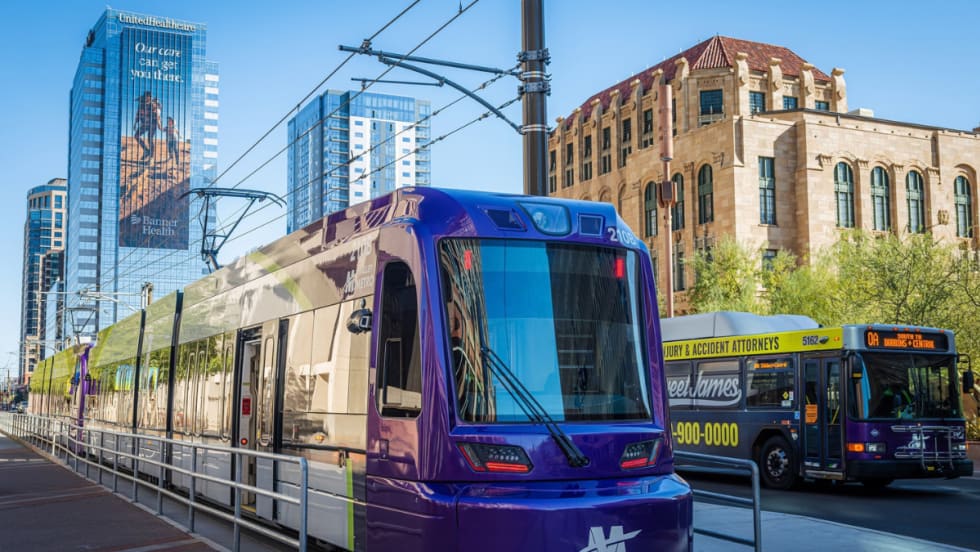
How Valley Metro Is Balancing Transit Growth With the Rider Experience
The APTA award-winning agency is pairing rapid system expansion with investments in workforce, safety, technology, and the fundamentals of transit service.
Read More →
Bus Tech Talk: Keeping Transit Technicians Ahead of the Technology Curve
In this episode of Bus Tech Talk, Complete Coach Works’ Business Development Manager Mark Hollenbeck and METRO’s Executive Editor Alex Roman sit down with Obed Mejia, Senior Technical Trainer for Bus Maintenance, at LA Metro to discuss how rapidly evolving bus technology is changing the maintenance shop — and the skills technicians need to keep pace.
Read More →
Michael Schneider Joins Paslay Group to Expand Transportation Practice
The longtime transportation executive will help Paslay Group grow its advisory and program management work across transit, highway, and other infrastructure sectors.
Read More →
People Movement: Connectpoint Expands Leadership Team, Stadler Names New Group CEO, and More
In this edition, we also spotlight recent personnel moves at Burns, UZURV, and more, highlighting the people taking on new roles across the transportation industry.
Read More →
More Than a Summer Job: Building the Next Generation of Transit Talent
The Delaware River Port Authority and PATCO have transformed their internship program into a hands-on professional development experience that introduces students to the breadth of transportation careers — and creates a pipeline for future employees.
Read More →
LA Metro Board Awards 220 Battery-Electric Bus Contract to ENC
The contract, which is the largest base award of battery-electric buses by a U.S. transit agency, will be built in Southern California, sustaining good jobs as LA prepares to welcome the world in 2028
Read More →