




Related: Rail agencies adopt FRA's system for reporting close calls
FTA finds serious safety lapses at WMATA, implements NTSB recs
In key areas, WMATA is not effectively balancing safety-critical operations and maintenance activities with the demand for passenger service, according to the FTA.
June 17, 2015
Eli Patwood
3 min to read
Eli Patwood
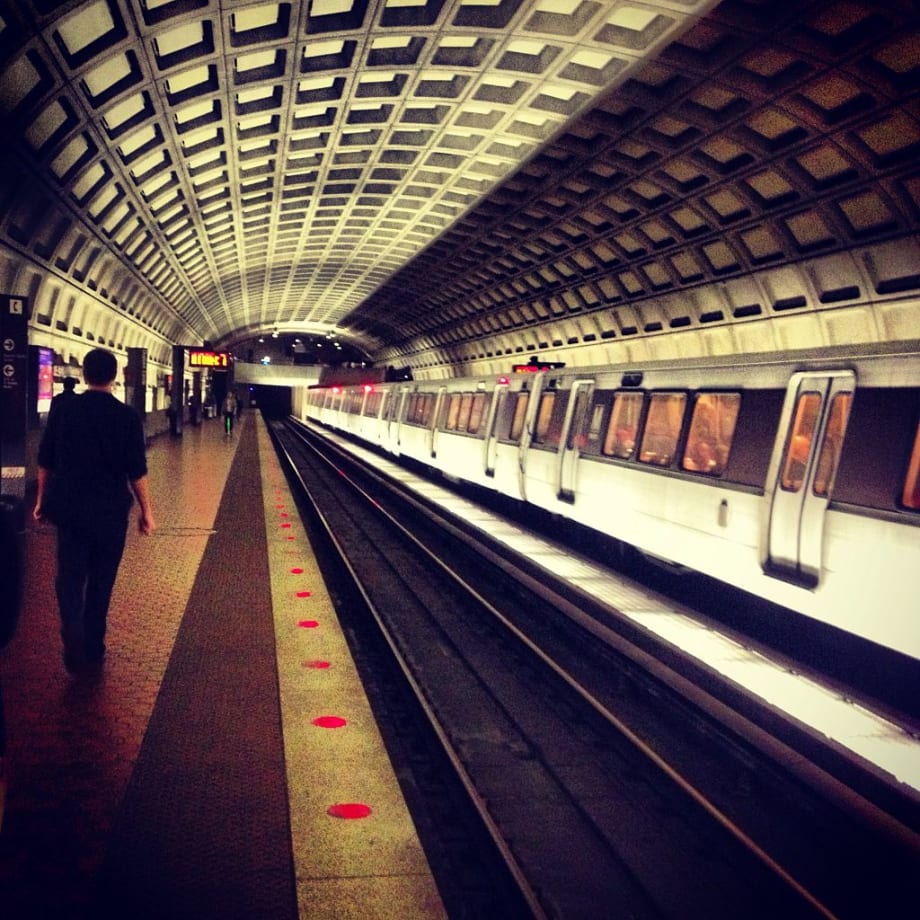
The Federal Transit Administration (FTA) found serious safety lapses in the Washington Metropolitan Area Transit Authority's (WMATA) Metrorail Rail Operations Control Center, which schedules and conducts maintenance work, manages abnormal and emergency events, and ensures the safety of trains and personnel on the right-of-way. In key areas, WMATA is not effectively balancing safety-critical operations and maintenance activities with the demand for passenger service, according to the FTA.
“These are serious findings that strongly indicate that, despite gains made since the Fort Totten accident, WMATA’s safety program is inadequate,” said U.S. Secretary of Transportation Anthony Foxx. “WMATA management, its board of directors and its state safety oversight agency must work together to address FTA’s required actions, because the safety of passengers and personnel must be the top priority.”
FTA conducted the Safety Management Inspection (SMI) as part of its new safety authority established by the Moving Ahead for Progress in the 21st Century Act (MAP-21) in 2012. The SMI evaluated WMATA’s operations and maintenance programs, safety management capabilities, and organizational structures to assess compliance with its own procedures and rules; existing federal regulations; and FTA Safety Advisories to ensure safety for its passengers, employees and system infrastructure. The SMI report includes 54 safety findings: 44 for Metrorail and 10 for Metrobus.
FTA is issuing a Safety Directive to WMATA identifying required actions for each of the safety findings and is requesting the WMATA board to determine what changes to its Fiscal Year 2016 budget may be necessary to effectively implement the corrective actions.
“WMATA must commit to more employee safety training, increased track time for maintenance work, and a greater effort at identifying and reducing safety risks to deliver the level of safety its passengers and employees deserve,” said FTA Acting Administrator Therese McMillan.
FTA also announced it is taking action to improve subway tunnel safety nationwide in response to an urgent recommendation from the National Transportation Safety Board following the Jan. 12 WMATA Metrorail incident of smoke in a tunnel near L’Enfant Plaza.
FTA is directing State Safety Oversight Agencies (SSOAs) with jurisdiction over rail transit agencies to conduct audits to assess and inspect subway tunnel ventilation systems. After the SSOAs complete and return the audits, FTA will analyze the data to determine potential future rulemaking and safety guidance to the rail transit industry.
“FTA takes NTSB recommendations seriously and is taking quick action,” said McMillan. “This assessment will provide an opportunity to develop appropriate improvements for the benefits of rail transit riders nationwide.”
Other FTA Actions Related to WMATA include:
FTA performed a Safety Management System (SMS) Gap Analysis to evaluate WMATA’s approach to safety management practices and found it needs to further advance its SMS efforts.
FTA performed a regularly scheduled audit of the Tri-State Oversight Committee (TOC), the partnership between Maryland, Virginia and the District of Columbia responsible for managing the federally required State Safety Oversight (SSO) Program for WMATA Metrorail. The audit found the TOC partners must improve coordination on several issues, such as implementing new legal and financial requirements for a stronger SSO program required by MAP-21.
More Rail
Amtrak, CN Reach Agreements to Strengthen Passenger Rail Service, Safety
The agreement resolves a more than decade-long proceeding before the Surface Transportation Board concerning the terms and conditions for Amtrak services, such as the City of New Orleans, Illini/Saluki, and Wolverine.
Read More →
New York MTA Advances Final Contract for Second Avenue Subway Expansion
Contract Four is the largest in the Second Avenue Subway Phase 2 project and includes construction of station infrastructure, tracks, and signals for the subway expansion, MTA officials said. Work on Contract Four will begin in 2027.
Read More →
San Diego MTS Breaks Monthly Trolley Ridership Record
Agency officials said July’s ridership indicates MTS’s continued recovery from the pandemic.
Read More →
Report Examines NJ TRANSIT Reliability, Funding Challenges
The Garden State Initiative analysis examines the roles of Amtrak infrastructure, fleet management, and agency operations while recommending a more performance-based approach to improving reliability.
Read More →
Stadler, CapMetro Sign Long-Term Rail Fleet Support Agreement
Beginning in 2027, Stadler will provide on-site technical expertise, spare parts support, training, and obsolescence management to help extend the reliability and longevity of CapMetro’s GTW fleet.
Read More →
Biz Briefs: Alstom Lands Canadian Contract, LYT to Supply California TSP, and More
In METRO's latest installment, we take a look at recent news from Complete Coach Works, Beep, FlixBus, and more partnerships making headlines across the transportation sector.
Read More →
CATS Gold Line Marks 5 Years of Service, 2.8M Passenger Trips
With a six-mile expansion planned, the Charlotte streetcar is positioned to connect more neighborhoods and major transit hubs across the region.
Read More →
Why Simulating Pedestrian Movement Has Become Essential for Modern Rail Stations
Pedestrian microsimulation is helping rail planners identify bottlenecks, test station designs, and prepare complex transit hubs for growing passenger volumes.
Read More →
Amtrak Begins Major Construction at New York’s Sunnyside Yard
The new maintenance facility will support Amtrak’s Airo trainsets while improving maintenance efficiency and turnaround times in New York.
Read More →
Chicago Leaders Unveil Plans for O’Hare Airport Express Train
The privately developed project would offer a 15-minute trip between downtown and O’Hare’s Terminal 2, with trains operating every 15 minutes on a dedicated track. The service would use battery-electric trains and three existing freight rail rights-of-way.
Read More →