




RELATED: D.C. train runs red light, faces another train head-on
FTA issues proposal to reduce frequency of rail stop signal overruns
Would require rail transit agencies and SSOAs to work together to understand the significant risks of death, injury, and property damage associated with stop signal overruns; establish mitigations to reduce the risks; and monitor the implementation and effectiveness of the mitigations.
January 19, 2017
AEMoreira042281
3 min to read
AEMoreira042281
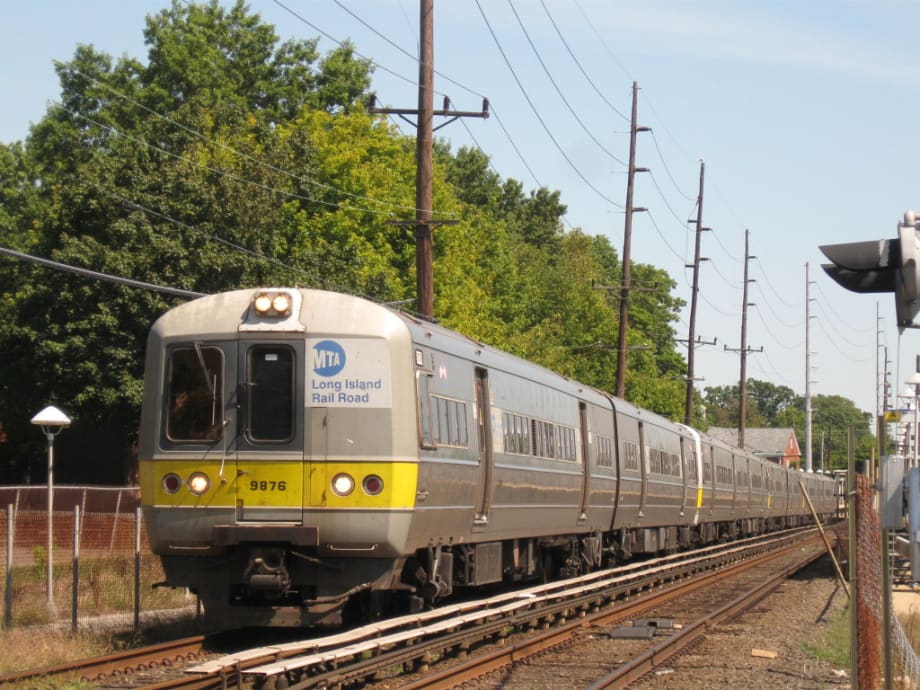
The Federal Transit Administration (FTA) issued a public notice and request for comments on a proposed General Directive that would reduce the frequency of stop signal overruns in the rail transit industry. It would require rail transit agencies and State Safety Oversight Agencies (SSOA) to work together to understand the significant risks of death, injury, and property damage associated with stop signal overruns; establish mitigations to reduce the risks; and monitor the implementation and effectiveness of the mitigations.
The proposal also would, for the first time, establish a definition for stop signal overruns in the rail transit industry.
"Ensuring trains only operate where they have permission is a fundamental way to protect the safety of rail transit passengers, operators and other workers," said U.S. Transportation Secretary Anthony Foxx. "While rail transit is the safest mode of surface transportation, focus on improving stop signal safety should be a top priority for everyone who is responsible for the safety of transit operations."
The FTA would use the proposed directive to define a stop signal overrun as "a revenue or non-revenue rail transit vehicle passing any signal displaying a visual aspect that indicates to an operator that a train does not have authority to proceed," as specified in a rail transit agency’s operating rules and procedures. Stop signal overruns are significant safety events, with the potential to result in the derailment or collision of passenger trains and the striking of workers, passengers or equipment on the rail transit right-of-way.
The proposed General Directive would require a rail transit agency to conduct a systematic safety risk evaluation of the potential for stop signal overruns on its system, evaluate its operational activities to monitor the implementation and effectiveness of existing mitigations, and develop a corrective action plan, as necessary. In addition, the proposed General Directive would require SSOAs to participate in, review, and approve the safety risk evaluations conducted by rail transit agencies they oversee, and monitor and report the status of corrective action plans to the FTA.
The FTA recognizes that there is a lack of standard practice, definitions, and requirements to protect against unauthorized passing of stop signals. The establishment of a common definition would be a significant safety advancement that would support the development of an industry-wide database on the issue.
The FTA has adopted the principles and methods of Safety Management Systems (SMS) as the basis for enhancing the safety of public transportation. SMS is a risk-based means for developing and managing strategies that use data to proactively identify, evaluate, and mitigate safety concerns, thus leading to improved safety performance. The required actions for this proposed General Directive are grounded on SMS principles and methods.
The proposed General Directive is being issued in accordance with the FTA Public Transportation Safety Program rule. Public comments must be submitted by March 20, 2017.
More Security and Safety

Transit Agencies Highlight Safety Gains at National Summit
Leaders from 15 major transit systems shared crime-reduction results and safety initiatives while discussing the role of continued federal support.
Read More →
DART Launches Major Security, Fare Enforcement Initiative
The 90-day demonstration will deploy coordinated security teams at five light rail stations while testing controlled access and gathering data to guide future investments.
Read More →
RTD Launches NextRide App to Consolidate Trip Planning, Fares, Security Reporting
The app expands on RTD’s existing NextRide web application and allows customers to view real-time vehicle locations and service alerts, purchase and store digital fares, and access customer support.
Read More →

TAPTCO Updates OSHA Compliance Training for Transit Maintenance Operations
The revamped program addresses 26 OSHA standards for maintenance facilities, with TAPTCO pointing to training, documentation, and everyday shop hazards as continuing challenges for transit operations.
Read More →
Sponsored•August 18, 2026
How VaporVision Adds Value to Transit Door Systems
Wabtec engineers explain how the system improves doorway detection, strengthens diagnostics and gives transit agencies and OEMs greater operating flexibility.
Read More →
FRA Announces $5.3B in Rail Investments, Including $2B for Amtrak
Funding will support grade-crossing improvements, infrastructure upgrades, and new Amtrak equipment in 23 states.
Read More →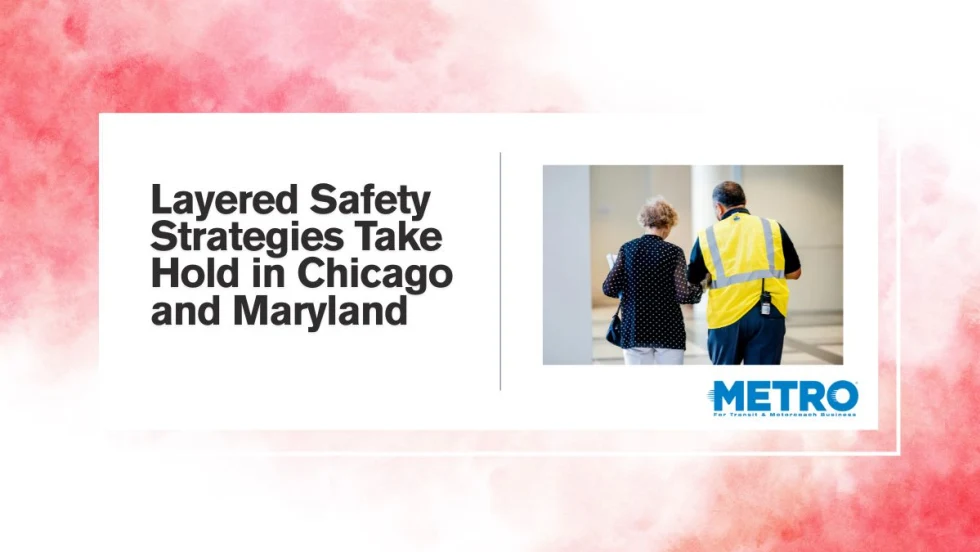
Chicago, Maryland Expand Non-Law-Enforcement Safety, Rider Support
The CTA and MTA are launching new programs aimed at de-escalation, crisis response, rider assistance, and greater transparency.
Read More →
LA Metro, City of West Hollywood, and Partners Advance Smarter Bus Lane Enforcement
The award-winning partnership combines AI-powered detection with human oversight to improve bus reliability, accessibility, and enforcement efficiency.
Read More →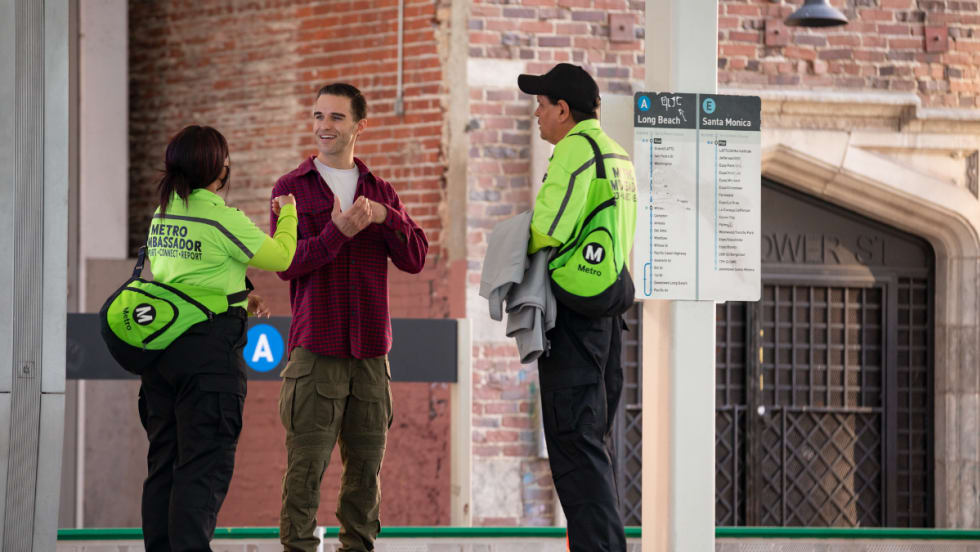
LA Metro Reports 57% Decline in Homelessness on Transit System Since 2024
The agency's latest homelessness count offers new data on how care-based services and cross-sector partnerships can complement traditional transit security strategies.
Read More →
FTA Launches 'Transit Moves America' Dashboard to Highlight Agency Safety and Performance
The online dashboard transforms National Transit Database information into a public-facing resource that allows users to compare transit agencies on key operational and safety metrics.
Read More →