



FTA streamlines NEPA process
Greater efficiencies will be achieved by allowing communities developing rail, bus, streetcar and ferry transit projects to spend less time and effort preparing documentation, such as environmental assessments, while continuing to ensure the protection of the environment and people’s health.

In keeping with President Obama’s emphasis on cutting government red tape to speed up federal decisions on vital, job creating transportation infrastructure projects, the U.S. Department of Transportation’s Federal Transit Administration (FTA) announced important revisions — the first in more than 25 years — to expedite the environmental review process that all proposed transit projects seeking federal funds must undergo as part of the National Environmental Policy Act (NEPA).
“This Administration is committed to clearing the way for communities to invest in transit options that revitalize neighborhoods and improve access to jobs and critical destinations,” said Secretary LaHood. “These improvements expedite our environmental review process to move projects through the pipeline more quickly, while preserving critical community input on how planned transit projects affect the local environment.”
One impact of FTA’s new environmental review provisions is that the changes will make it possible to expedite the release of Hurricane Sandy emergency relief funds to aid in the restoration, rehabilitation and replacement of damaged transit assets in New York, New Jersey, Connecticut and other regions.
Greater efficiencies will be achieved by allowing communities developing rail, bus, streetcar and ferry transit projects to spend less time and effort preparing documentation, such as environmental assessments, while continuing to ensure the protection of the environment and people’s health. For example, a transit project slated for development in an existing transportation right-of-way would qualify for a less cumbersome environmental review process than one breaking all new ground.
To help expedite the process overall, transportation authorities are also encouraged to take environmental impacts into consideration sooner, as part of the planning process, rather than later in the process which may cause delays.
“The FTA is continuing to find ways to make our government work smarter on behalf of the American people by cutting inefficiency wherever we find it,” said FTA Administrator Peter Rogoff. “These common-sense changes will allow communities to move projects from the drawing board to construction more quickly than in the past while making sure that we don’t compromise on protecting the environment.”
The changes announced today are the result of the most comprehensive review of FTA’s environmental procedures since 1987 and are in line with the provisions in the Moving Ahead for Progress in the 21st Century Act (MAP-21) designed to expedite project delivery.
The changes will also boost transparency of the NEPA process by encouraging environmental impact statements and other environmental review documents to be posted online, keeping local residents and other interested groups informed.
The changes to FTA’s environmental review process are consistent with President Obama’s Presidential Memorandum issued in August 2011, instructing departments to speed infrastructure development through more efficient and effective permitting and environmental review as well as the President’s Executive Order 13563 issued in January 2011, calling on Federal agencies to “modify, streamline, expand, or repeal” rules that may be “outmoded, ineffective, insufficient or excessively burdensome.”
The changes will be effective immediately upon publication in the Federal Register, within the next few days.
More Bus

Finding the ‘Happy Medium’: Optimizing Maintenance Without Sacrificing Reliability
The key to maintenance optimization isn’t doing less work—it’s doing the right work at the right time on the right assets.
Read More →
LA Metro, City of West Hollywood, and Partners Advance Smarter Bus Lane Enforcement
The award-winning partnership combines AI-powered detection with human oversight to improve bus reliability, accessibility, and enforcement efficiency.
Read More →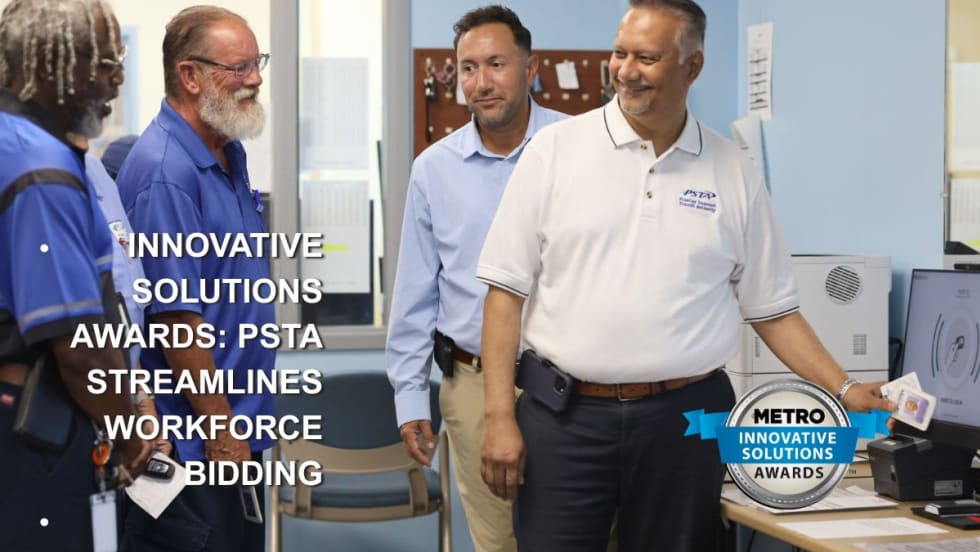
PSTA Modernizes Workforce Management with Digital Bidding System
The award-winning Workforce Transit Modernization project replaced paper bidding with a transparent digital platform, cutting administrative effort while improving access for operators.
Read More →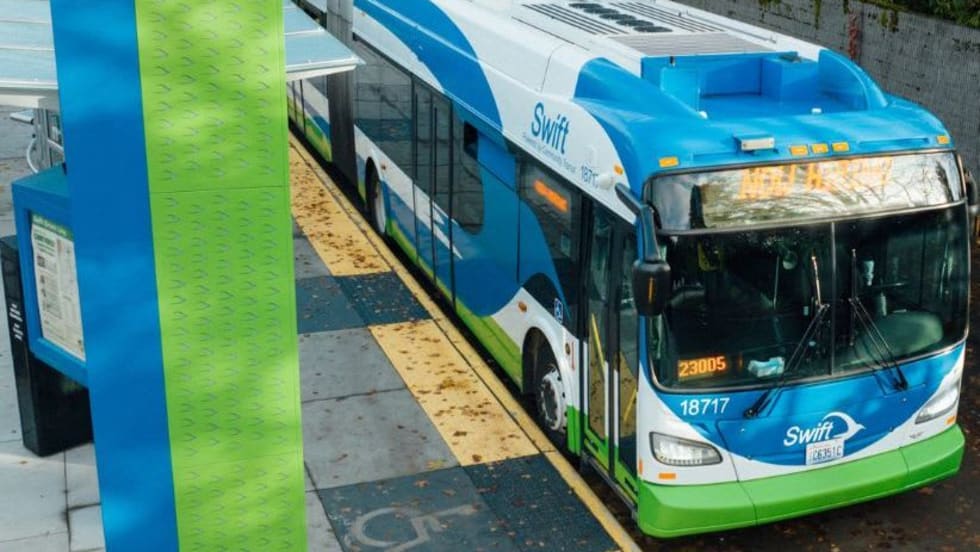
Washington's Community Transit Sets Six-Year Roadmap for Growth, Expansion
Approved TDP targets more bus service, new mobility options, Swift BRT expansion, and a potential Everett Transit annexation.
Read More →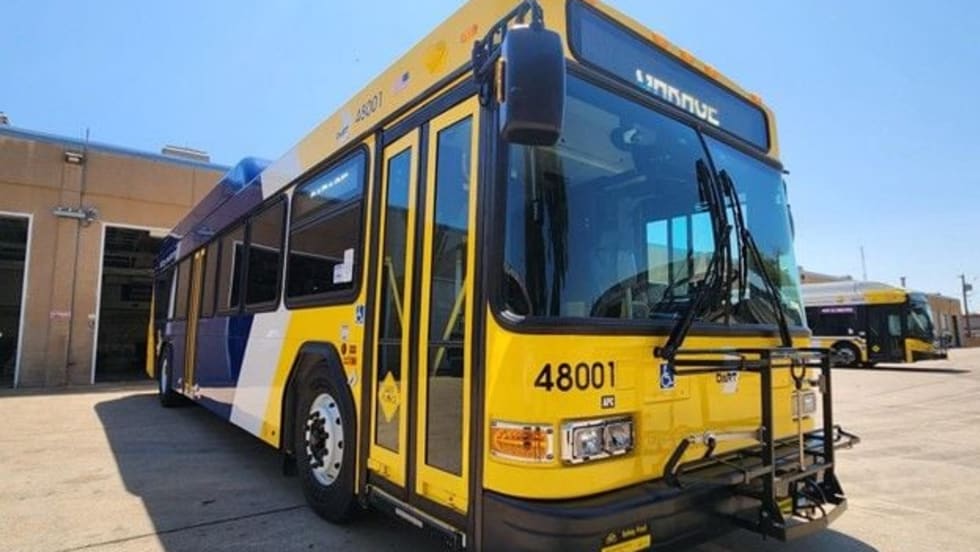
DART Customer Satisfaction Reaches Six-Year High
Overall satisfaction rose to 74.9%, while the agency’s Net Promoter Score reached a record 33.7.
Read More →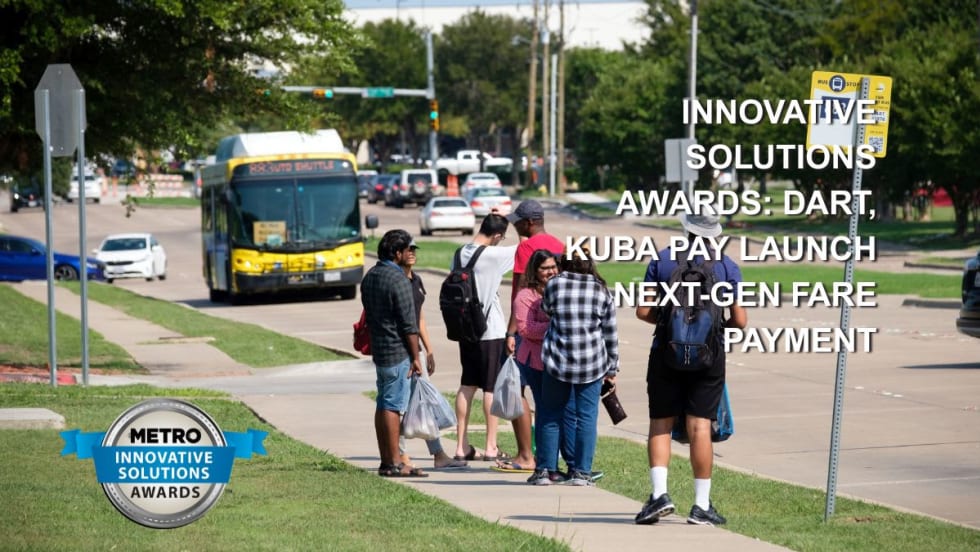
How DART's GoPass Is Redefining Regional Mobility
Serving 14 transit agencies, GoPass simplifies multimodal travel by allowing riders to plan, pay for, and manage an entire trip through one app.
Read More →
Biz Briefs: OCTA Taps Clean Energy for Hydrogen Station, Stadler to Supply Via Rail Vehicles, and More
From manufacturers and suppliers to transit agencies and motorcoach operators, these updates offer a snapshot of the projects, partnerships and business moves driving the industry forward.
Read More →
METRO Magazine Announces 2026 Innovative Solutions Awards Winners
Projects Recognized for Advancing Mobility Through Technology, Accessibility, Workforce Innovation, and Operational Excellence
Read More →
Biz Briefs: STV teams with Amtrak, Motorcoach Operators Boost Fleet and Land Contracts, and More
From manufacturers and suppliers to transit agencies and motorcoach operators, these updates offer a snapshot of the projects, partnerships and business moves driving the industry forward.
Read More →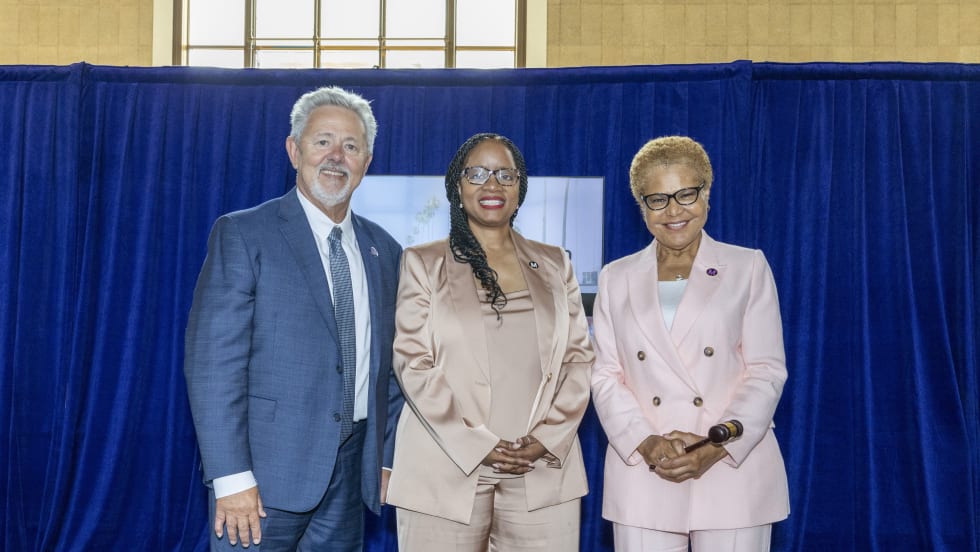
LA Metro Marks Banner Year, Sets Ambitious Goals for New Fiscal Year
Incoming LA Metro Board Chair and Los Angeles Mayor Karen Bass joined outgoing Board Chair Fernando Dutra and LA Metro CEO Stephanie Wiggins to review accomplishments from fiscal year 2026, which included the opening of new rail extensions, advancement of major transit projects, expanded safety programs, and new rider amenities.
Read More →