



GM partners to mass produce critical care ventilators
Across all manufacturers, there is a global backorder of critical care ventilators capable of supporting patients fighting COVID-19.


Ventec Life Systems announced General Motors will build VOCSN critical care ventilators at GM’s Kokomo, Ind., manufacturing facility with FDA-cleared ventilators scheduled to ship as soon as next month. The effort is in addition to Ventec taking aggressive steps to ramp up production at their manufacturing facility in Bothell, Wash.
Across all manufacturers, there is a global backorder of critical care ventilators capable of supporting patients fighting COVID-19. The companies are adding thousands of units of new capacity with a significantly expanded supply chain capable of supporting high volume production. GM is contributing its resources at cost.
GM will also begin manufacturing FDA-cleared Level 1 surgical masks at its Warren, Mich., manufacturing facility. Production will begin next week and within two weeks ramp up to 50,000 masks per day, with the potential to increase to 100,000 per day.
Critical Care Ventilators
Ventec and GM are working around the clock to meet the urgent need for more ventilators. Efforts to set up tooling and manufacturing capacity at the GM Kokomo facility are already underway to produce Ventec’s critical care ventilator, VOCSN. Depending on the needs of the federal government, Ventec and GM are poised to deliver the first ventilators next month and ramp up to a manufacturing capacity of more than 10,000 critical care ventilators per month with the infrastructure and capability to scale further.
GM will deploy an estimated 1,000 American workers to scale production of critical care ventilators immediately. Working with the UAW, GM has brought back employees from GM’s Kokomo and Marion facilities.
Since Friday, March 20, Ventec and GM teams across manufacturing, engineering, purchasing, legal, and others have been working together to create and implement a plan for immediate, scaled production of critical care ventilators. The Ventec and GM global supply base developed sourcing plans for the more than 700 individual parts that are needed to build up to 200,000 VOCSN.
Level 1 Surgical Masks
In a separate effort, GM is expanding its support of medical equipment production by temporarily converting its Warren plant to build Level 1 surgical masks. Production will begin next week and within two weeks ramp up to 50,000 masks per day, with the potential to increase to 100,000 per day. Daily mask production will be influenced by the availability of materials to build the masks.
The necessary machinery was delivered to the Warren plant Friday morning and production of masks will begin this week.
This employee-led initiative was created, planned, and approved in about 48 hours and involves GM’s traditional supply base as well as new partnerships specific to the medical device industry. GM will be collaborating with governments and local suppliers to distribute the masks.
More Security and Safety

Transit Agencies Highlight Safety Gains at National Summit
Leaders from 15 major transit systems shared crime-reduction results and safety initiatives while discussing the role of continued federal support.
Read More →
DART Launches Major Security, Fare Enforcement Initiative
The 90-day demonstration will deploy coordinated security teams at five light rail stations while testing controlled access and gathering data to guide future investments.
Read More →
RTD Launches NextRide App to Consolidate Trip Planning, Fares, Security Reporting
The app expands on RTD’s existing NextRide web application and allows customers to view real-time vehicle locations and service alerts, purchase and store digital fares, and access customer support.
Read More →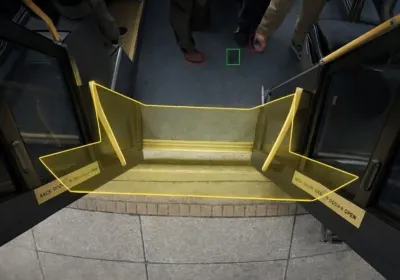
TAPTCO Updates OSHA Compliance Training for Transit Maintenance Operations
The revamped program addresses 26 OSHA standards for maintenance facilities, with TAPTCO pointing to training, documentation, and everyday shop hazards as continuing challenges for transit operations.
Read More →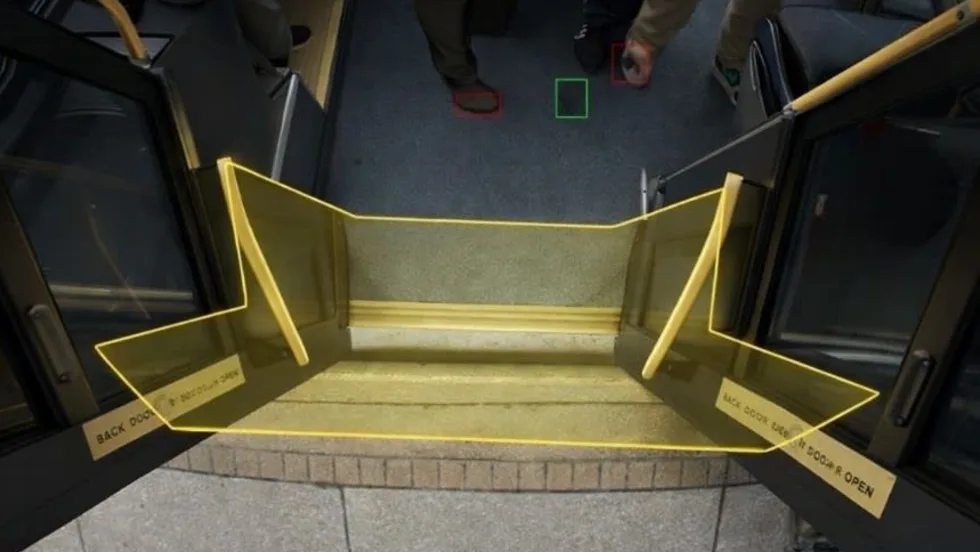
How VaporVision Adds Value to Transit Door Systems
Wabtec engineers explain how the system improves doorway detection, strengthens diagnostics and gives transit agencies and OEMs greater operating flexibility.
Read More →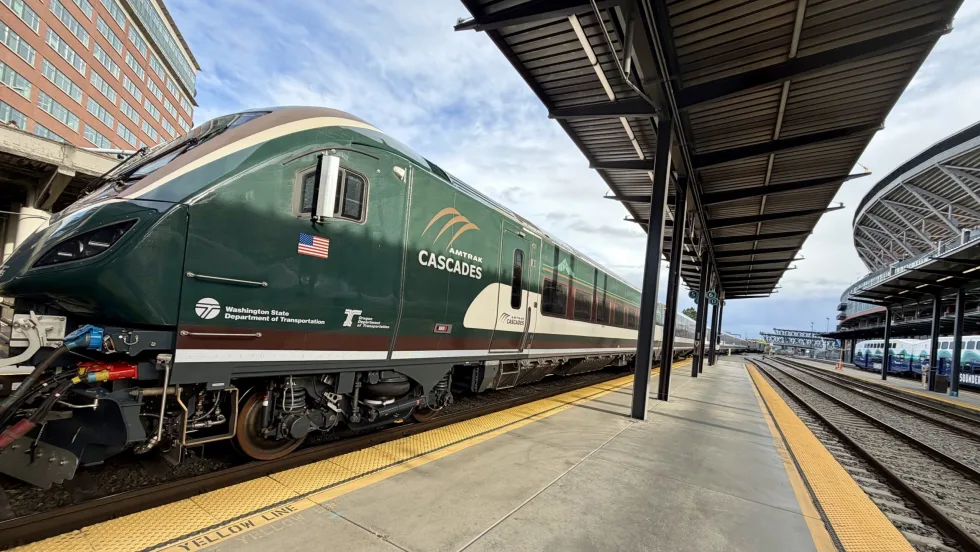
FRA Announces $5.3B in Rail Investments, Including $2B for Amtrak
Funding will support grade-crossing improvements, infrastructure upgrades, and new Amtrak equipment in 23 states.
Read More →
Chicago, Maryland Expand Non-Law-Enforcement Safety, Rider Support
The CTA and MTA are launching new programs aimed at de-escalation, crisis response, rider assistance, and greater transparency.
Read More →
LA Metro, City of West Hollywood, and Partners Advance Smarter Bus Lane Enforcement
The award-winning partnership combines AI-powered detection with human oversight to improve bus reliability, accessibility, and enforcement efficiency.
Read More →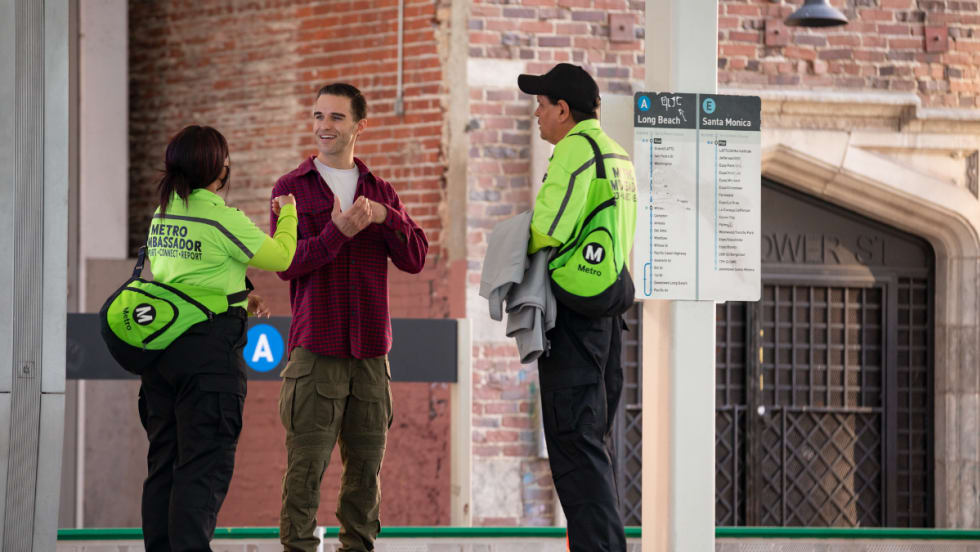
LA Metro Reports 57% Decline in Homelessness on Transit System Since 2024
The agency's latest homelessness count offers new data on how care-based services and cross-sector partnerships can complement traditional transit security strategies.
Read More →
FTA Launches 'Transit Moves America' Dashboard to Highlight Agency Safety and Performance
The online dashboard transforms National Transit Database information into a public-facing resource that allows users to compare transit agencies on key operational and safety metrics.
Read More →