




More News: Congressman Visits ABC Companies, Reinforces Transportation Innovation, Sustainability
Grand Rapids Transit Agency Sees Fuel Savings With Propane
The Rapid in Grand Rapids, Michigan, is using propane buses and seeing substantial cost savings. Propane is 40% less expensive than gasoline, and maintenance costs are lower.
March 26, 2025
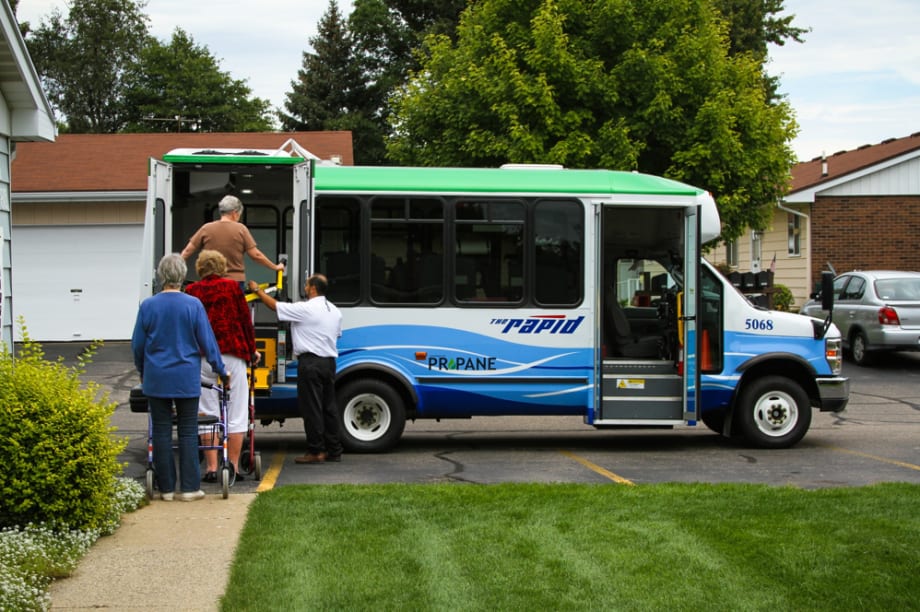
As The Rapid's gasoline and diesel paratransit buses reach the end of their lives, they are being replaced by propane buses that are bringing the costs of the service down.
Photo: The Rapid
2 min to read
The Rapid, based in Grand Rapids, Michigan, has seen good results from its 62 Ford E-450 propane buses equipped with ROUSH CleanTech systems.
Saving Costs with Propane
Currently, more than 75% of The Rapid’s paratransit fleet runs on propane, with its propane buses traveling over 1.8 million miles in 2024. These propane buses have seen a 118% fuel savings per gallon, which has allowed the company to tap into federal and private funding to cover the capital costs.
An on-site propane fueling station with an 18,000-gallon tank provides further convenience when operating the buses. Installing this infrastructure was more affordable than other fueling options because the propane tanks were stored above ground. This also makes the infrastructure more flexible in where it can be placed.
Apart from the costs saved in fuel, switching to propane has also lowered maintenance costs for the vehicles. As a nontoxic, non-carcinogenic, and non-corrosive fuel, propane requires less maintenance with oil changes only being needed every 5,000 miles.
Making the Switch to Propane
The propane vehicles are part of The Rapid’s GO!Bus program, which provides services to seniors and people with disabilities who cannot utilize fixed-route services.
In 2015, The Rapid began replacing outdated paratransit gasoline and diesel buses with propane buses. The decision was made to meet its air quality and cost reduction goals.
“We were looking for a greener fuel type, domestic production and stable pricing. Propane hit all three requirements,” said Steve Schipper, chief operating officer for The Rapid.
This commitment to air quality and leading the charge in clean transit is shown through the company’s diverse fleet. With 227 total buses in its fixed route BRT and paratransit demand response services, The Rapid has compressed natural gas/renewable natural gas, diesel/electric hybrid, propane, electric, and gasoline vehicles.
As the gasoline paratransit buses reached the end of their lifecycle, propane was the top pick as an alternative green fuel as it fit into the fleet nicely and served GO!Bus customers well.
“Propane is a cleaner gas, and one of the reasons we switched to propane is that the Environmental Protection Agency considers propane a clean green fuel,” said Steven Clapp, director of fleet maintenance for The Rapid
Drivability is another area that the agency’s drivers appreciate. With a range of 350 miles on a single fueling, the vehicles can service larger areas for longer periods of time.
The fueling process itself is simple and comparable to conventional fueling at eight to 10 gallons per minute. Buses can also handle intense winters like those found in Michigan, with quick cabin warm-ups and the ability to start up in cold temperatures as low as negative 40 degrees Fahrenheit.
More Paratransit

Biz Briefs: RIPTA Unveils New Frontrunners, Clevland RTA Adds New Siemens, and More
In METRO's latest installment, we take a look at recent news from Siemens, Prevost, Dodge, and more partnerships making headlines across the transportation sector.
Read More →
King County Metro Makes ADA Paratransit Easier to Navigate
METRO's Innovative Solutions Award winner replaces complex service-area descriptions with an accessible, interactive map that puts paratransit information directly in customers’ hands.
Read More →
Jacksonville’s NAVI Project Charts a New Course for Autonomous Public Transportation
Through its NAVI program, JTA is showing how autonomous vehicles, intelligent infrastructure, and coordinated operations can work together to deliver everyday public transportation.
Read More →
Driving Smarter Paratransit
John Hanlon shares how AlphaRoute is leveraging AI-powered technology to help paratransit providers optimize operations, support frontline staff, and enhance the rider experience.
Read More →
METRO Magazine Announces 2026 Innovative Solutions Awards Winners
Projects Recognized for Advancing Mobility Through Technology, Accessibility, Workforce Innovation, and Operational Excellence
Read More →
Biz Briefs: STV teams with Amtrak, Motorcoach Operators Boost Fleet and Land Contracts, and More
From manufacturers and suppliers to transit agencies and motorcoach operators, these updates offer a snapshot of the projects, partnerships and business moves driving the industry forward.
Read More →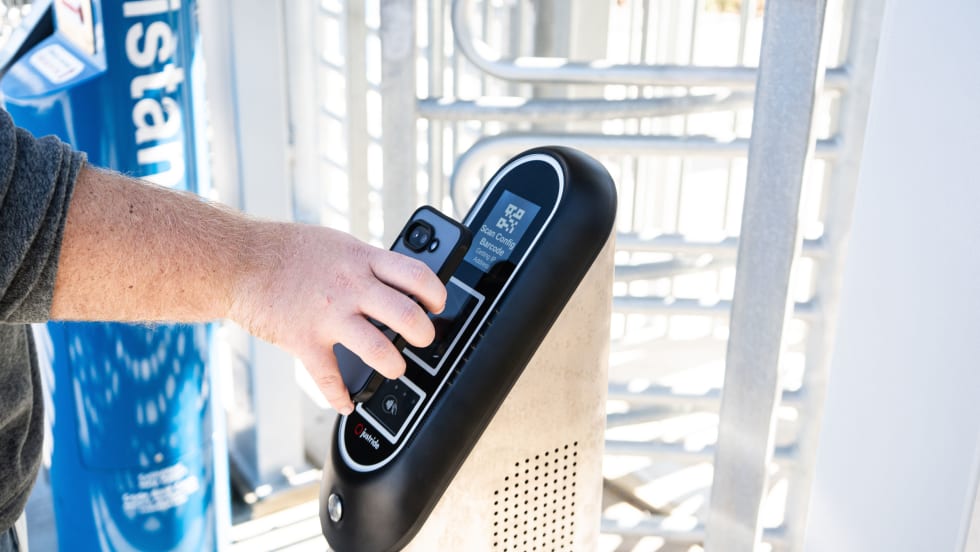
Biz Briefs: Masabi Teams with St. Louis Metro and More
In METRO's latest installment, we take a look at recent news from Transdev, Hitachi, and more partnerships making headlines across the transportation sector.
Read More →
New York MTA Leverages Zoning Program to Advance Station Accessibility
Accessibility enhancements at Nevins St Station will be financed through a development agreement tied to the MTA's Zoning for Accessibility initiative.
Read More →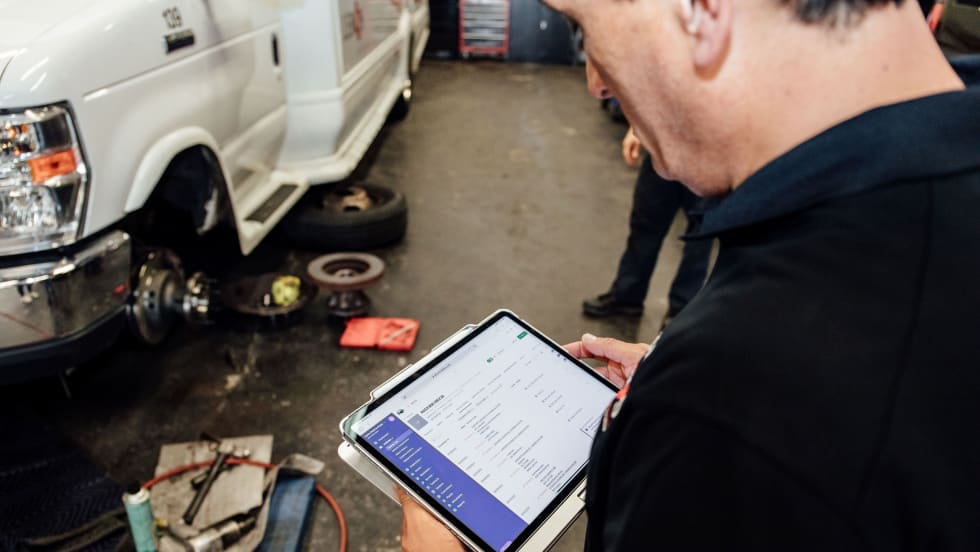
Reinventing Fleet Maintenance with Real-time Visibility and AI
Transit leaders need to know what needs fixing, where to look, who is responsible, when work is completed, and what it costs without having to chase information across disconnected systems.
Read More →
SamTrans Sets Priorities for Potential Connect Bay Area Revenue
The board-approved framework allocates future funding to maintaining service, rider improvements, equity initiatives, and infrastructure repairs.
Read More →