



RELATED: Study explores how to attract, retain women in transit
How technology can improve transit operator retention
Technology can support operator incentive and reward programs, and provide tools and training to make operators’ lives safer and easier.
by Jason Palmer
June 25, 2019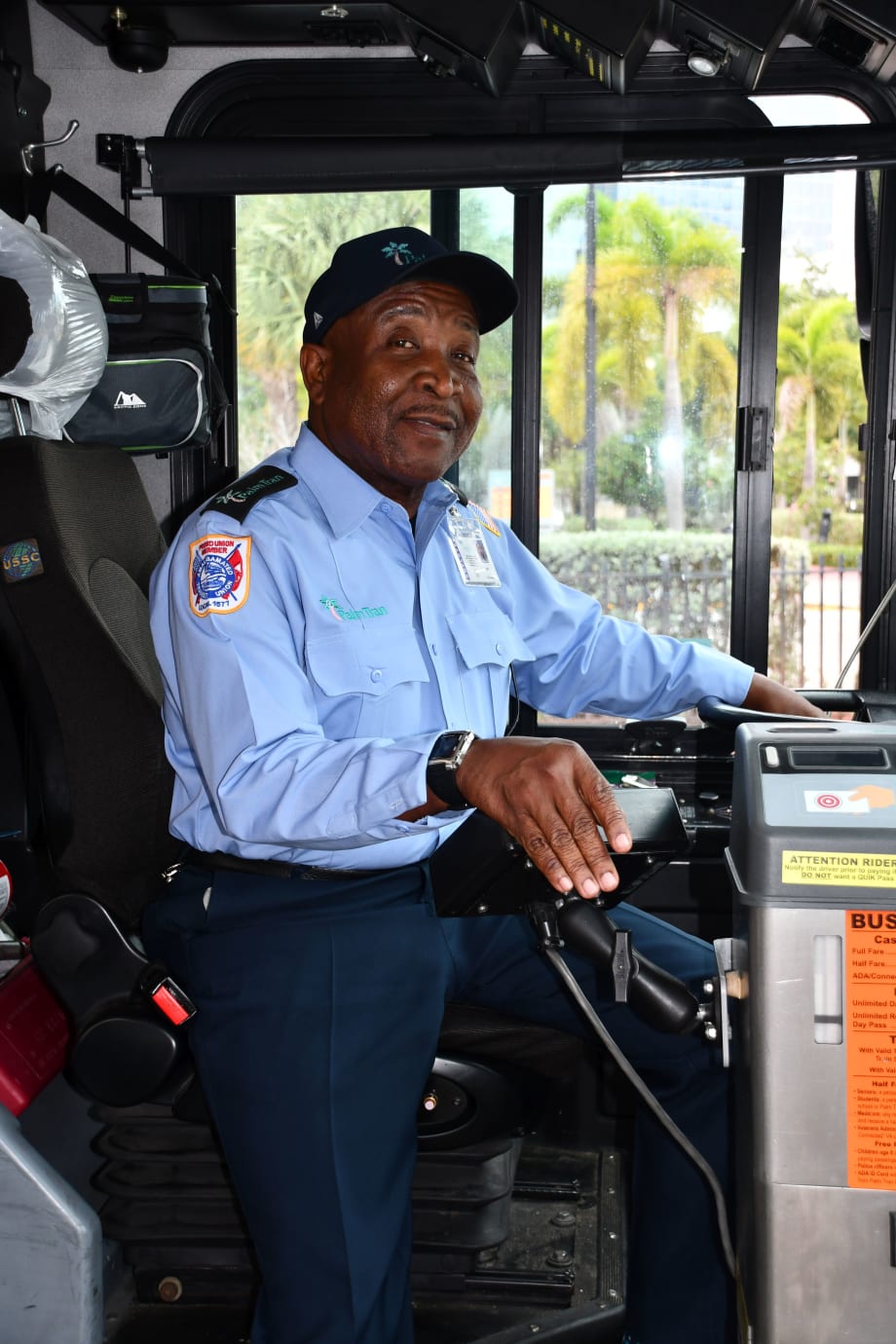
By establishing a rewards program, transit managers can boost morale and incentivize retention for top employees.
Palm Tran
5 min to read
By establishing a rewards program, transit managers can boost morale and incentivize retention for top employees.
Palm Tran
As evidenced by employment ads across the country and cutbacks in service due to staffing shortages, transit fleets are in desperate need of operators. When going through the hiring process, managers must look for candidates who not only will do a great job, but who show potential to remain on the job as an operator for the long term.
Operators leave a fleet for many reasons: they may want a different job schedule, better benefits, or simply want a career change. As such, there’s no easy way to resolve the heavy turnover challenge managers are facing; however, fleets would be wise to take a first step in exploring how technology can reduce attrition by supporting operator incentive and reward programs and providing the tools and training to make operators’ lives safer and easier.
Driver Incentives
By establishing a well-implemented driver incentive program, managers can expect to see a substantial return on investment both in reduced collisions and overall driver safety, in addition to enhanced levels of driver recruitment and retention.
One way managers can effectively employ incentives is through a video-based safety program, which offers the requisite data on driver performance in tandem with a managed service, resulting in an effective approach to incentives.
The most efficient agencies coach operators on a regular basis and offer rewards monthly, if not weekly.
Successful agencies also differentiate themselves by using their data and insights to ensure development and retainment of top performers.
Managers don’t rely on a simple once-a-year safety bonus program; instead, they use monthly driver scorecards based on comprehensive data across operator performance, safety, fuel efficiency, and other relevant criteria to develop and retain quality operators.
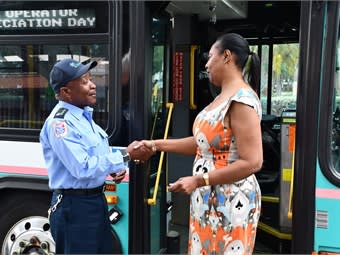
Successful agencies differentiate themselves by using their data and insights to ensure development and retainment of top performers.
Palm Tran
Recognize Great Work with Great Rewards
Some operators need incentives; all operators deserve rewards and recognition for their good work. By establishing a rewards program, transit managers can boost morale and incentivize retention for top employees.
It’s important that a rewards program has cross-department buy-in and clear objectives.
To truly gain buy-in, operators, mid-level managers, and other staff must all understand why a new program is being implemented.
Managers must determine the appropriate metrics and target KPIs to objectively measure operator performance.
Video-based safety with a fully managed service allows transit managers to access the necessary data, alongside the context that only reviewed video can provide, enabling them to ensure the accuracy and efficacy of their rewards program. Finally, an open feedback loop and consistent communication between managers and operators are important factors that drive program success. All of this helps build a safety culture throughout the organization, as operators are more engaged in their safety performance and participating in friendly competing for rewards, ultimately leading to higher employee retention.
The next step to an effective rewards program is establishing clear and relevant performance metrics, which are essential in allowing transit agencies to communicate what’s important to their operators.
The use of operator scorecards enables agencies to effectively communicate each operator’s progress in obtaining their incentives, along with pinpointing areas that need improvement.
With these tools, managers can easily monitor operator performance in real time, while also setting specific parameters and thresholds for bonus program qualification.
One way to involve operators is with a driver app that allows them to monitor their own score on a mobile device.
The opportunity to self-coach allows operators to track their progress, learn where they need to improve and even see their own videos — ultimately enhancing the coaching done by managers or supervisors.
Rewards don’t just have to be monetary; some operators respond just as well to extra vacation time, branded gear, etc. It’s important for managers to understand what best motivates their drivers when establishing a rewards program. A well-executed operator incentive program, backed by essential data from a video-based safety program, can provide a substantial ROI as a result of improved operator safety and reduced collisions, all while enhancing recruitment and retention. Reward programs bring out the best in the most important component of a well-run transit agency — the operators.
It has been proven that one way to retain, and attract, the best operators is with a data-focused operator incentive program. Such a program provides agencies with an unbiased view of their safest, most improved and overall best operators, as well as those who need focused attention and coaching. The result is a win for your fleet (safer operators) and a win for your business (more money).
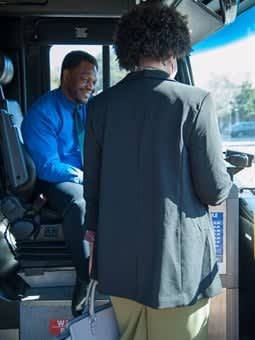
Managers don’t rely on a simple once-a-year safety bonus program; instead, they use monthly driver scorecards.
Michael Dantzler
Give Your Drivers the Tools to be Safe
Agencies today have endless amounts of technology to help their operators be efficient, timely and — most importantly — safe. Video-based safety programs, for example, can provide important actionable data to both help operators improve their driving skills and exonerate them when they are not at fault in a collision or passenger incident. With autonomous operations in the near-future, the changing technology provides new opportunities for safety including active braking and adaptive cruise control. By automating operations, allowing for more personalized coaching and providing an overall safer operation as a result of real-time information, technology can play a significant role in improving operator quality of life, which, in turn, can increase retention.
By implementing advanced technologies in transit operations, managers can help begin the necessary changes within their organization to increase driver recruitment and retention. Whether through incentives, a rewards program or providing an overall safer operation, operators must take advantage of all that technology can do to make an operator’s experience more positive, ultimately ensuring they continue providing best-in-class service to passengers for the long run.
Jason Palmer is COO at SmartDrive Systems
More Bus

New York MTA Plans Largest Bus Fleet Upgrade in More Than a Decade
The agency is seeking manufacturers for 650 new CNG buses to replace aging vehicles, improve reliability, and advance its broader fleet modernization strategy.
Read More →
Building a Flexible Path to Transit Electrification
John Hroncich discusses BAE Systems’ modular and scalable approach, lessons learned from decades of real-world operations, and how agencies can identify electrification strategies that fit their fleets.
Read More →
Bus Tech Talk: Keeping Transit Technicians Ahead of the Technology Curve
LA Metro’s Obed Mejia discusses technician training, evolving maintenance technology, fleet replacement, and strategies for getting the most out of today’s transit fleets.
Read More →
Biz Briefs: RIPTA Unveils New Frontrunners, Clevland RTA Adds New Siemens, and More
In METRO's latest installment, we take a look at recent news from Siemens, Prevost, Dodge, and more partnerships making headlines across the transportation sector.
Read More →
People Movement: Holly Arnold Joins Transdev and More
In this edition, we also cover recent appointments and announcements at Pace, CamTran, MCI, and more, showcasing the individuals helping to shape the future of transportation.
Read More →
The High Cost of Transit Buses: Industry Leaders Look to Procurement Reform
Transit leaders and policymakers examine how standardized bus designs, streamlined procurement, and predictable funding could help agencies stretch budgets and deliver better service.
Read More →
The Business Voice Behind Public Transportation
As chair of APTA’s Business Members Board of Governors, Ray Melleady explains how more than 850 business members are partnering with transit agencies to advance funding, innovation, and industry-wide collaboration.
Read More →
From Surviving to Thriving: Building Stronger Transportation Organizations
Bus Business Consultants founder Brian Dickson shares lessons on leadership, organizational health, and creating options for long-term success in a changing transportation industry.
Read More →
Finding the ‘Happy Medium’: Optimizing Maintenance Without Sacrificing Reliability
The key to maintenance optimization isn’t doing less work—it’s doing the right work at the right time on the right assets.
Read More →
LA Metro, City of West Hollywood, and Partners Advance Smarter Bus Lane Enforcement
The award-winning partnership combines AI-powered detection with human oversight to improve bus reliability, accessibility, and enforcement efficiency.
Read More →