



Ill. House Rep. calls for full funding of transit & passenger rail
Rep. Mike Quigley (D-IL), member of the House Appropriations Subcommittee on Transportation, Housing and Urban Development and Related Agencies, led a bipartisan letter to the THUD Subcommittee with 10 members of the Illinois House delegation urging full funding for mass transit and passenger rail in next year’s THUD budget.

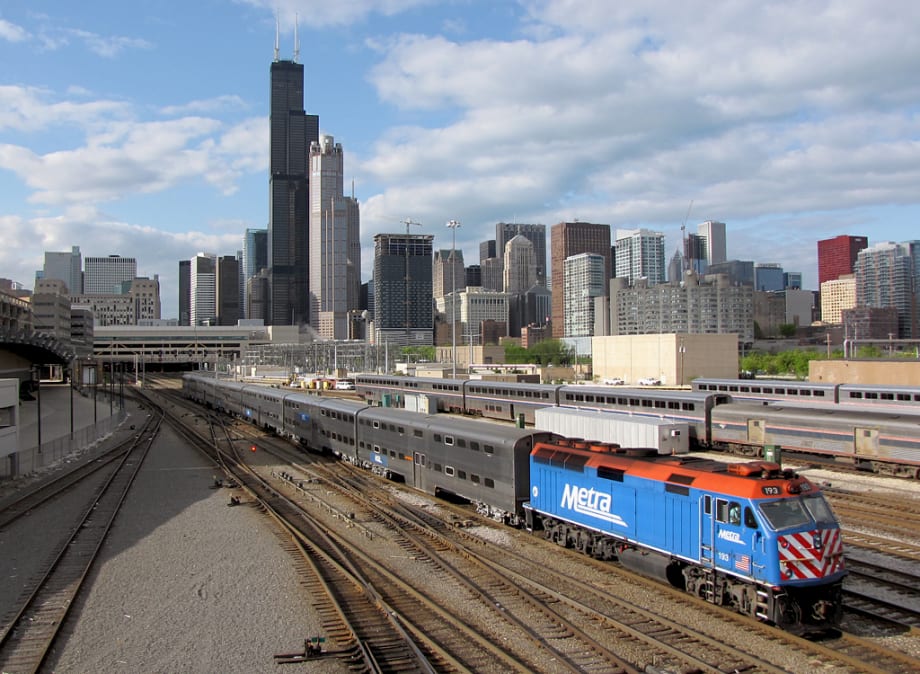

Rep. Mike Quigley (D-IL), member of the House Appropriations Subcommittee on Transportation, Housing and Urban Development and Related Agencies (THUD), led a bipartisan letter to the THUD Subcommittee with 10 members of the Illinois House delegation urging full funding for mass transit and passenger rail in next year’s THUD budget.
In the letter to THUD Subcommittee Chairman Mario Diaz-Balart (R-FL) and Ranking Member David Price (D-NC), Rep. Quigley wrote: “Today in Chicago, transit and rail as a whole generate an estimated $12 billion in annual economic benefits and 120,000 jobs to the region. “Without robust federal funding of transit and passenger rail, Illinois transportation systems will be subject to deteriorating roadbeds and equipment, bad on-time performance, increased traffic congestion, and loss of ridership and American jobs. I urge my colleagues on the THUD Subcommittee to fully fund the Amtrak and Intercity Rail Capital Assistance Programs in FY2016, improving access to public transit and passenger rail not only in Illinois but in communities throughout the nation.”
The Environmental Law and Policy Center and the Blue Green Alliance released a report earlier this year, "Passenger Rail & Transit Rail Manufacturing in the U.S.," outlining the economic benefits of increased investment in transit and passenger rail to Illinois, as well as the entire U.S.
“Investing in modern passenger rail improves mobility, creates Midwest manufacturing jobs, reduces pollution and pulls together the regional economy,” said Howard Learner, executive director of the Environmental Law & Policy Center. “We commend this bipartisan group of Illinois legislators for their commitment in working to advance better passenger rail in the nation’s transportation crossroads. ELPC’s recent Passenger Rail & Transit Rail Manufacturing in the U.S. report shows the strong economic value for all.”
As Illinois’ only member on the House Appropriations Committee, Rep. Quigley has pushed for a long-term surface transportation bill and prioritized Chicago-area infrastructure investments as a member of the THUD Subcommittee.
Most recently, Rep. Quigley lead the effort to reauthorize the Railroad Safety Technology Grants Program, which provides critical funding for train control technologies and other new rail safety items. He fought for increased funding for the TIGER grant program to benefit both highways and pedestrian projects. Rep. Quigley helped secure $35 million in Core Capacity grants to benefit CTA and set aside $60 million in the FY14 omnibus available for Metra to implement safety improvements.
More Management
New Tricks for Old Bureaucracies: Joshua Schank on Making Transit Innovation Stick
Former LA Metro Chief Innovation Officer Joshua Schank discusses why good ideas aren't enough, how transit agencies can overcome resistance to change, and why today's challenges demand more innovation.
Read More →
Washington's Community Transit Sets Six-Year Roadmap for Growth, Expansion
Approved TDP targets more bus service, new mobility options, Swift BRT expansion, and a potential Everett Transit annexation.
Read More →
OKC Streetcar Makes Zero-Fare Service Permanent
Ridership increased an average of 71% compared with the same period a year earlier during the fare-free pilot.
Read More →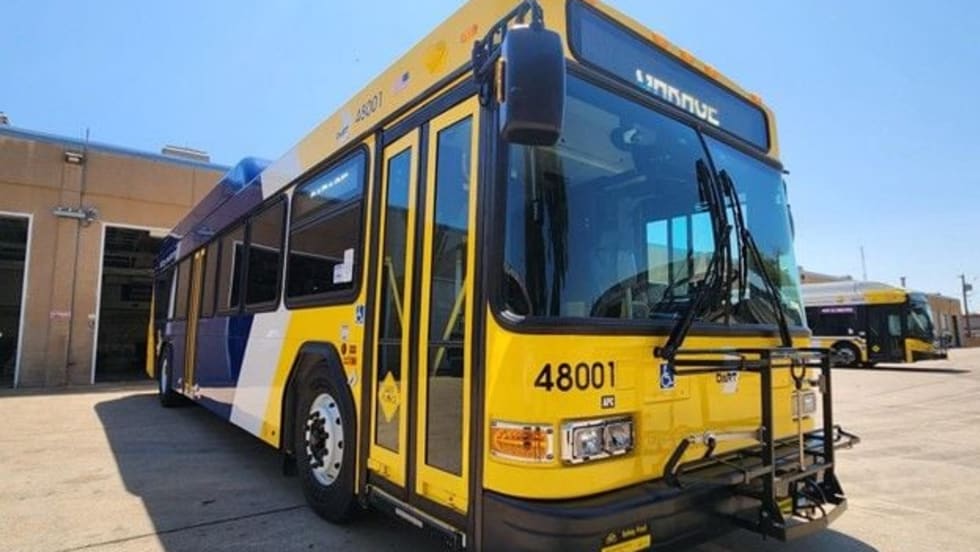
DART Customer Satisfaction Reaches Six-Year High
Overall satisfaction rose to 74.9%, while the agency’s Net Promoter Score reached a record 33.7.
Read More →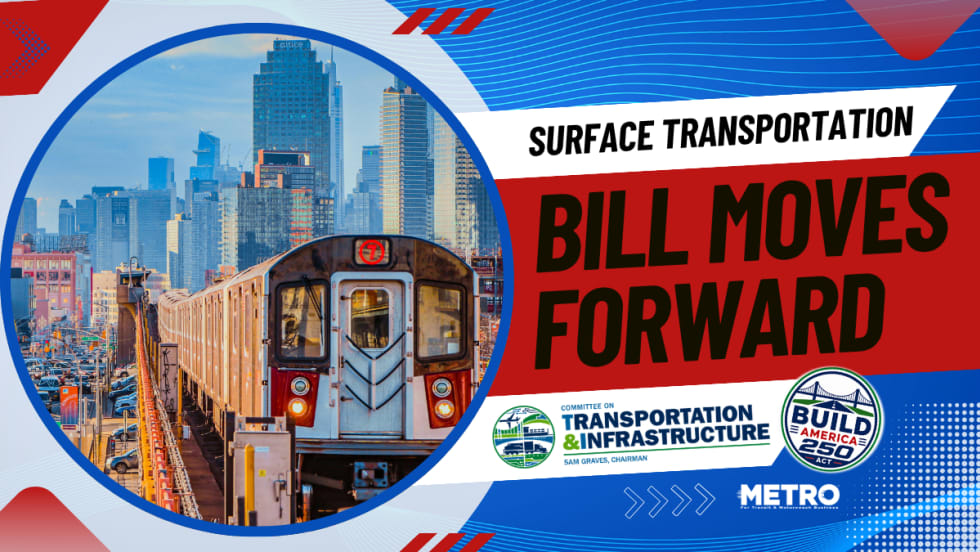
House Surface Transportation Bill Advances as Transit Funding Debate Intensifies
A bipartisan transportation package moving through Congress could redefine how the U.S. funds highways, transit, and motorcoach travel, while igniting new fights over electrification, regulation, and federal priorities.
Read More →
How Data, Strategy, and Community Engagement Are Reshaping Transit
In this edition of METROspectives, strada360 CEO Steve Lassey discusses how transit agencies can better align planning with operations, leverage data to improve decision-making, and build public trust as they prepare for the future of mobility.
Read More →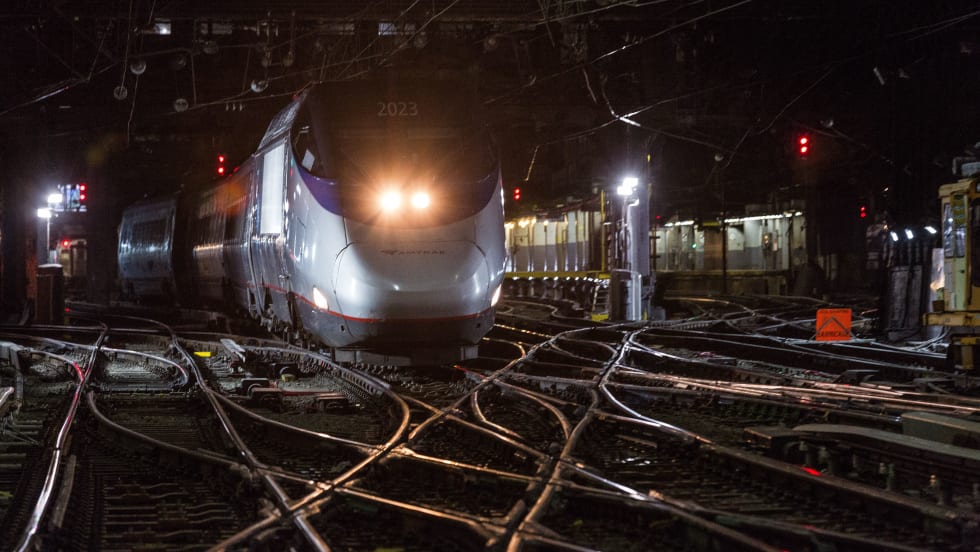
Amtrak Board Advances Plan to Restructure Organization, Seeks Public Input
The proposal, developed by Amtrak management and approved by the board for further consideration, is intended to modernize the organization's structure while improving accountability, operational efficiency, and customer service.
Read More →
Turn Transit Data Into Action
Discover how leading agencies are using connected technology to gain real-time visibility across operations, improve service reliability, and reduce disruptions.
Read More →
What Transit-Oriented Development Means for the Future of Public Transportation
Once viewed primarily as transit operators, agencies are now leveraging land, partnerships, and long-term planning to boost ridership, expand housing, and strengthen communities.
Read More →
USDOT Announces $22 Million for Transit Innovation, Updates High-Speed Rail Rules
New federal transit funding will support safety, accessibility, and technology projects as updated rail regulations establish new noise standards for high-speed trains.
Read More →