



IndyGo to begin more improvements in June
In February, the transit agency launched frequent service on its core lines, added weekend service and lengthened some hours of service.

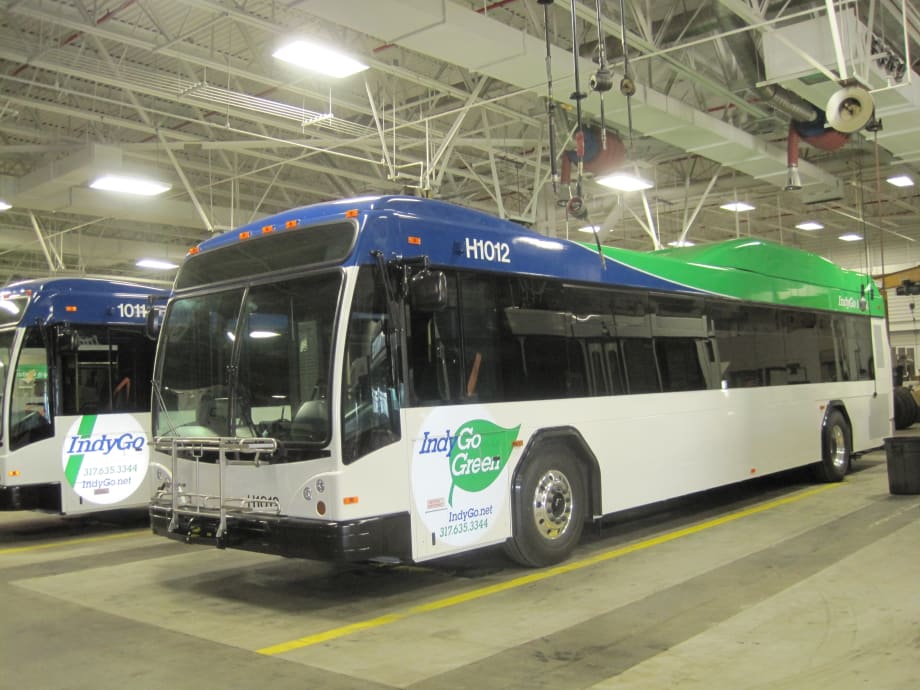
Indianapolis-based IndyGo announced it will begin it next round of bus service improvements on June 9.
In February, the transit agency launched frequent service on its core lines, added weekend service and lengthened some hours of service. The changes slated for June will increase system efficiency through route realignments and will result in better service for customers. Enhancements include a new crosstown route on Indianapolis’s north side, extending routes to serve more destinations, improving connections and frequency, and offering more direct service.
“With additional funds through the city-county council-approved 2013 budget, IndyGo is able to make strategic investments in our mass transit service,” said IndyGo President/CEO Michael Terry. “The changes for 2013 will help strengthen highly traveled transit corridors and offer better connections for route transfers, frequency improvements and higher productivity.”
Improvements to the IndyGo system are guided by the Indy Connect bus plan, an intensive analysis of current IndyGo operations, ridership, population and employment density.
Most notable of the service changes for June is the addition of one new route. Route 86 — 86th St. Crosstown will operate between Trader’s Point on the northwest side and Community Hospital North on the northeast side. The new service will connect with seven existing IndyGo routes and will serve the 86th St./82nd St. corridor with half hour frequency six days a week.
The implementation of June enhancements represents the majority of adjustments in IndyGo’s ambitious 2013 service improvement plan. The agency continually monitors the performance of its routes and makes changes to timetables and routing in February, June and October each year.
Aside from changes to the bus network, later this year IndyGo plans to implement significant technology upgrades that will greatly enhance the customer experience and attract new riders. Through competitive grants, IndyGo has secured some of the money required to deploy enhanced customer information services. Real-time bus arrival information could allow customers to text message IndyGo for up-to-the-minute details on bus schedule adherence, detour alerts and stop closures.
The real-time project could also offer access to enhanced customer service information 24 hours a day through an automated phone system, a new web information system, on-street customer information at major downtown stops and even smart phone apps.
RELATED ARTICLE: Check out, "IndyGo growth continues with new services."
More Bus

New York MTA Plans Largest Bus Fleet Upgrade in More Than a Decade
The agency is seeking manufacturers for 650 new CNG buses to replace aging vehicles, improve reliability, and advance its broader fleet modernization strategy.
Read More →
Building a Flexible Path to Transit Electrification
John Hroncich discusses BAE Systems’ modular and scalable approach, lessons learned from decades of real-world operations, and how agencies can identify electrification strategies that fit their fleets.
Read More →
Bus Tech Talk: Keeping Transit Technicians Ahead of the Technology Curve
LA Metro’s Obed Mejia discusses technician training, evolving maintenance technology, fleet replacement, and strategies for getting the most out of today’s transit fleets.
Read More →
Biz Briefs: RIPTA Unveils New Frontrunners, Clevland RTA Adds New Siemens, and More
In METRO's latest installment, we take a look at recent news from Siemens, Prevost, Dodge, and more partnerships making headlines across the transportation sector.
Read More →
People Movement: Holly Arnold Joins Transdev and More
In this edition, we also cover recent appointments and announcements at Pace, CamTran, MCI, and more, showcasing the individuals helping to shape the future of transportation.
Read More →
The High Cost of Transit Buses: Industry Leaders Look to Procurement Reform
Transit leaders and policymakers examine how standardized bus designs, streamlined procurement, and predictable funding could help agencies stretch budgets and deliver better service.
Read More →
The Business Voice Behind Public Transportation
As chair of APTA’s Business Members Board of Governors, Ray Melleady explains how more than 850 business members are partnering with transit agencies to advance funding, innovation, and industry-wide collaboration.
Read More →
From Surviving to Thriving: Building Stronger Transportation Organizations
Bus Business Consultants founder Brian Dickson shares lessons on leadership, organizational health, and creating options for long-term success in a changing transportation industry.
Read More →
Finding the ‘Happy Medium’: Optimizing Maintenance Without Sacrificing Reliability
The key to maintenance optimization isn’t doing less work—it’s doing the right work at the right time on the right assets.
Read More →
LA Metro, City of West Hollywood, and Partners Advance Smarter Bus Lane Enforcement
The award-winning partnership combines AI-powered detection with human oversight to improve bus reliability, accessibility, and enforcement efficiency.
Read More →