



JTA receives $19.1M fed grant for First Coast Flyer BRT corridor
The 11.1-mile Southeast Corridor is the third segment of a five-phased First Coast Flyer™ system planned for the Jacksonville area.

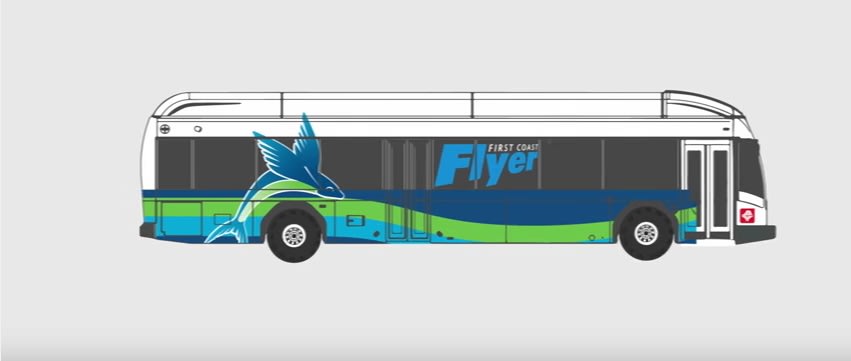
Rendering: Jacksonville Transportation Authority
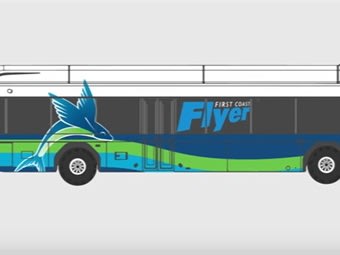
Rendering: Jacksonville Transportation Authority
The Jacksonville (Fla.) Transportation Authority (JTA) was awarded a $19.1 million Small Start Grant Agreement (SSGA) from the Federal Transit Administration (FTA). The grant funds will be used for the First Coast Flyer™ bus rapid transit (BRT) Southeast Corridor Project. Additionally, the first phase of the system, the “Green Line” launched Dec. 7, 2015 on the North Corridor.
“The signing of this Small Starts Grant Agreement (SSGA) is another significant step in the First Coast Flyer™ program for the Jacksonville Transportation Authority,” said JTA CEO Nathaniel P. Ford Sr. “The First Coast Flyer™ initiative will transform travel in the Northeast Florida region. It lays the foundation for a regional transportation network that will boost our economy and enhance the quality of life for our citizens. The Flyer connects customers to jobs, education, shopping and healthcare in a heavily transit-dependent region.”
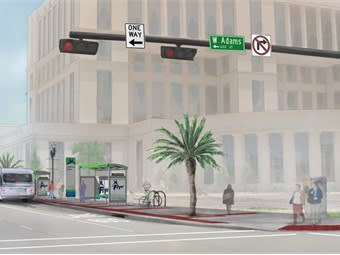
Rendering: Jacksonville Transportation Authority
The 11.1-mile Southeast Corridor is the third segment of a five-phased First Coast Flyer™ system planned for the Jacksonville area. The scope includes seven stations, transit signal priority at 18 intersections (holds green lights, allowing buses to move through intersections without stopping) and off-board fare collection. It also will include the construction of a park-and-ride lot and the procurement of ten energy efficient compressed natural gas buses. The $23.8 million project is funded by the FTA, Florida Department of Transportation and the JTA.
The First Coast Flyer is planned in five-phases and serves as the backbone to the regional transit system. When completed in 2019, the Flyer system will cover 57 miles of destination travel, and will be the largest BRT system of its kind in the Southeast. The branded Compressed Natural Gas (CNG) buses built by Gillig serving this corridor have a sleek, aerodynamic design that incorporates a raised, raked-back front cap blended into a full length, contoured roofline. Its modern profile makes a distinguished statement.
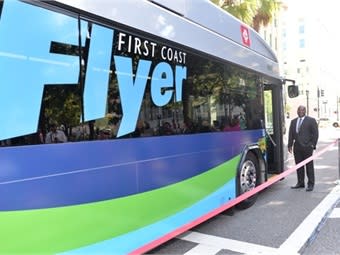
Rendering: Jacksonville Transportation Authority
The first phase of the BRT system, the “Green Line” launched Dec. 7, 2015 on the North Corridor. It operates between Rosa Parks Transit Station and Interstate 295 along Lem Turner with stops at major destinations to include FSCJ, VA Clinic, UF Health and Gateway Town Center.
Features of the system include:
High-Frequency Service
When you are standing at a station, the Flyer’s branded buses will arrive every
10 minutes (peak) hours and every 15 minutes (non-peak) hours
Simple, Direct Routes
The direct routes quickly connect people to greater employment and
entertainment opportunities, and eliminate the need for downtown transfers.
Wi-Fi on the Fly
The Flyer is a consistent hotspot of complimentary Wi-Fi, allowing customers
to catch up on email while traveling.
Stations That Stand Out
Flyer stations have unique branding, are well-lit and feature (in most
locations) two shelters with benches, bike racks and a display kiosk with
real-time bus arrival information. Downtown stations will also have ticket vending machines (TVM.)
Load Your Star Card Downtown
Load your STAR Card before you board the Flyer by taking advantage of ticket vending machines at the Flyer’s downtown stations and at the Rosa Parks Transit Hub on the Flyer’s Green Line. Just tap your STAR Card on the Flyer’s farebox and you’re ready to ride.
Park-n-Rides
Park-n-Ride lots can connect you with the Flyer and add convenience to your commute. The first lot – at I-295 near Lem Turner – will open late Fall 2016.
Dedicated Downtown Lanes
The Flyer will travel between downtown stations on dedicated
bus lanes, making travel seamless and frequent.
Clean and Energy Efficient
The Flyer fleet is comprised of 100% compressed natural gas (CNG) vehicles
for a ride that’s quieter, more fuel efficient and better for the environment.
Price to Ride
The Flyer’s initial fare cost is $1.50, the same as JTA’s regular fare.
More Bus
Brian Dickson on Building Stronger, More Resilient Transportation Organizations
Bus Business Consultants Founder Brian Dickson discusses the leadership principles, operational discipline, and strategic planning that separate transportation companies positioned for long-term success from those stuck in survival mode.
Read More →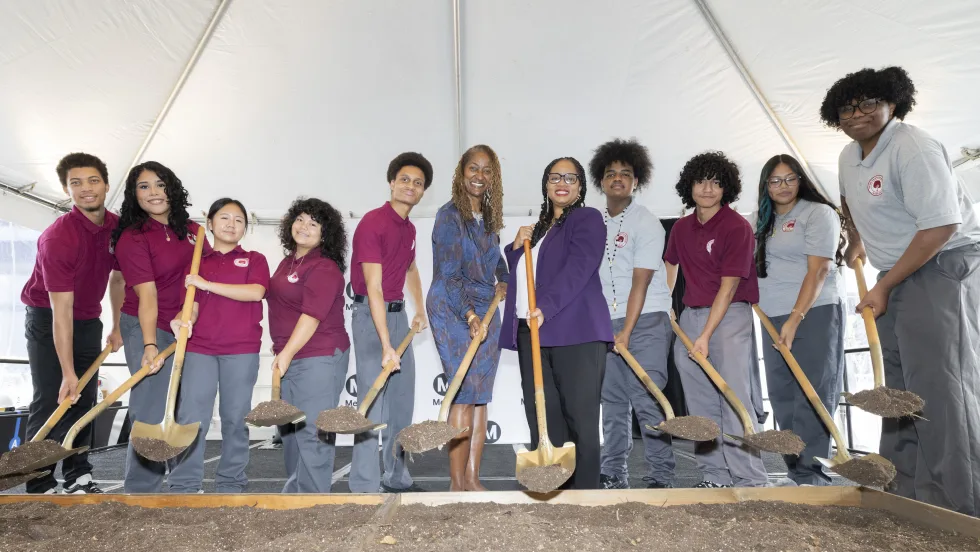
LA Metro Breaks Ground on Vermont BRT Project
The 12.4-mile corridor is projected to serve 66,200 daily riders, reduce travel times by up to 24%, and create the nation's busiest bus rapid transit corridor.
Read More →
Roman Cornell on ABC Companies’ Evolution and the Future of Passenger Transportation
The company’s CEO discusses carrying forward a third-generation family legacy, ABC’s continued evolution in passenger transportation, support for increasingly complex fleets, and how technology and continued investment could help operators improve uptime.
Read More →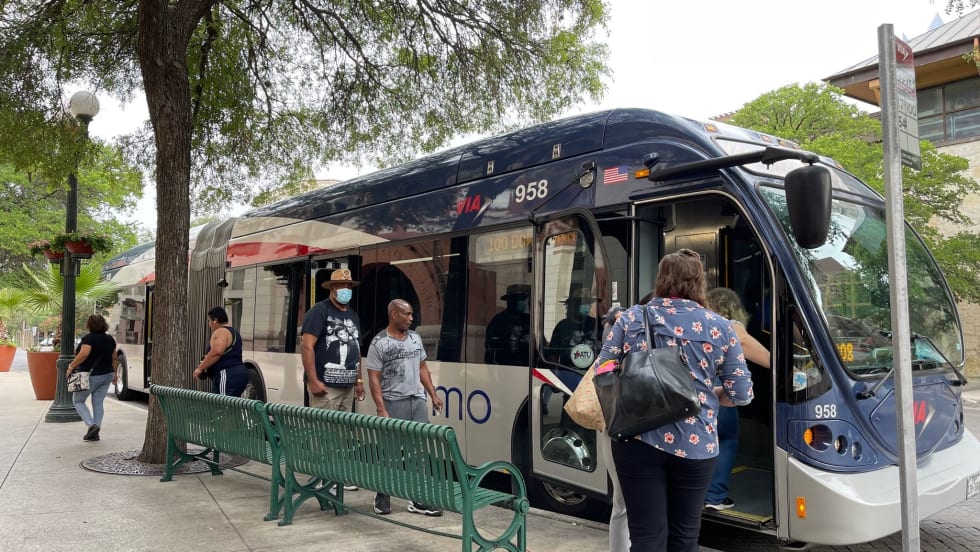
VIA Bus Ridership Grows 10.1% Through August 2026
San Antonio's VIA Metropolitan Transit reported the highest bus ridership growth among major Texas transit systems. Federal Transit Administration data ranked it second among the nation's 50 largest transit systems.
Read More →
LA Metro September Ridership Climbs 3.9%, Led by Rail Growth
The agency recorded more than 27.2 million boardings, with rail ridership increasing 12.4% year over year and the D Line posting the largest gains.
Read More →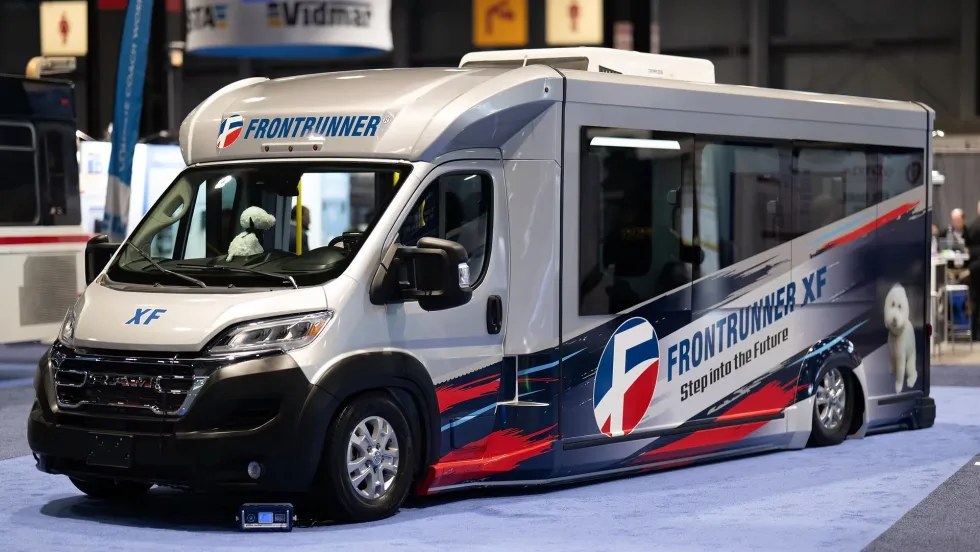
Frontrunner Bus Group Introduces XF Low-Floor Bus with Enhanced Accessibility
The new mid-sized bus features a full flat-floor design, eight-inch curbside step-in height, and zero-entry rear ramp to improve passenger access and operational flexibility.
Read More →
Scenes from APTA TRANSform & EXPO 2026
Transit leaders, manufacturers, and industry professionals gathered in Chicago to explore new technologies, share ideas, and discuss the future of public transportation.
Read More →
More Than a Summer Job: Building the Next Generation of Transit Talent
The Delaware River Port Authority and PATCO have transformed their internship program into a hands-on professional development experience that introduces students to the breadth of transportation careers — and creates a pipeline for future employees.
Read More →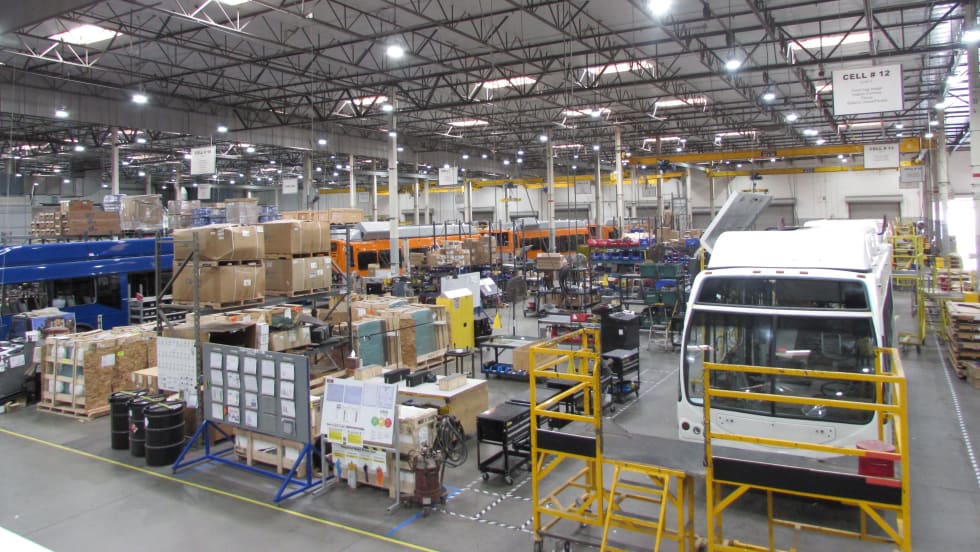
LA Metro Board Awards 220 Battery-Electric Bus Contract to ENC
The contract, which is the largest base award of battery-electric buses by a U.S. transit agency, will be built in Southern California, sustaining good jobs as LA prepares to welcome the world in 2028
Read More →
Public Transit Conference Returning to GFX in 2027, Call for Papers Now Open
The Call for Papers is now open, allowing transit agency professionals and industry experts to help shape the PTC educational program by submitting session ideas for consideration.
Read More →