



L.A. Metro releases new 'Metro Manners' etiquette campaign videos
Features a pop star super hero character who battles a monster who blatantly violates etiquette rules on the transit system.

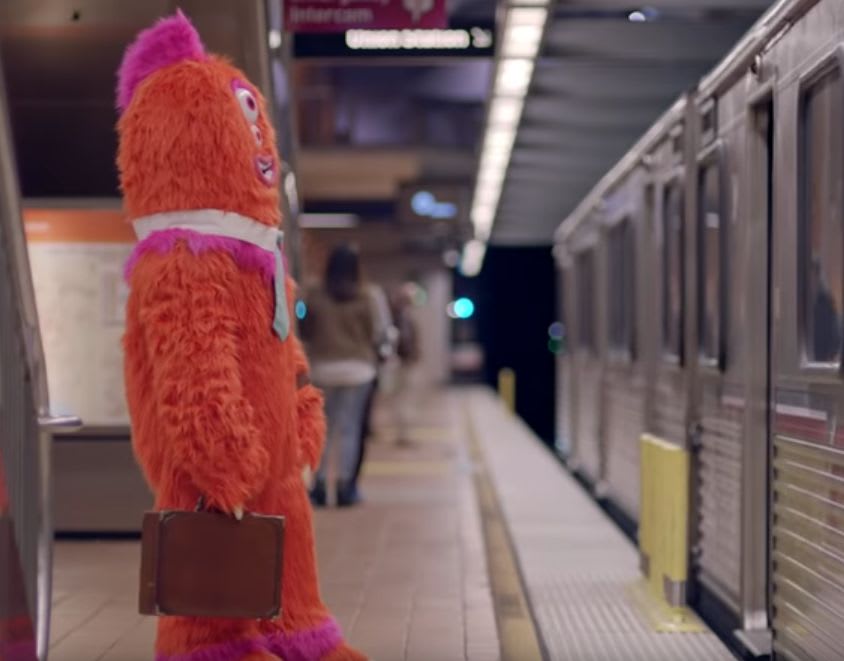
The new campaign videos take a light-hearted and humorous approach to educating riders about three new etiquette and Customer Code of Conduct issues on the Metro transit system.
The new campaign videos take a light-hearted and humorous approach to educating riders about three new etiquette and Customer Code of Conduct issues on the Metro transit system.
The Los Angeles County Metropolitan Transportation Authority (Metro) launched a new round of “Super Kind” Metro Manners videos, an online and print etiquette campaign to continue raising awareness about proper transit etiquette onboard Metro buses and trains.
First launched in October 2017, the wildly popular campaign features unique Japanese anime characters. The new campaign videos take a light-hearted and humorous approach to educating riders about three new etiquette and Customer Code of Conduct issues on the Metro transit system: playing loud music, vending, and allowing customers to exit the train before boarding.
Metro’s campaign features Super Kind, a pop star super hero who battles a monster named Rude Dude who blatantly violates etiquette rules on Metro’s transit system. Super Kind saves the day by calling on her super powers to teach Rude Dude lessons in transit courtesy. One of the videos also contains a special appearance from well-known actor Danny Trejo.
Metro originally teamed with creative production studio Lord Danger and director Mike Diva to develop the campaign last year. The campaign’s colorful approach was developed by Diva, whose interpretations of pop culture and digital connectedness has resulted in tens of millions of views on social media. Metro Manners was the first integrated campaign for Diva and Lord Danger. The producers cast Anna Akana, who has more than 1.8 million subscribers on YouTube for her weekly series, as Super Kind, Metro’s official protector of the agency’s Customer Code of Conduct. Rude Dude was designed in conjunction with noted collaborator FONCO.
The first round of Metro Manners videos raised awareness about prohibited behaviors such as seat-hogging, blocking aisles, and eating and drinking while riding. It was a viral sensation on social media, drawing tens of thousands of likes and shares for the campaign. Metro also received an American Public Transportation Association Marketing award for its campaign.
More Security and Safety

Transit Agencies Highlight Safety Gains at National Summit
Leaders from 15 major transit systems shared crime-reduction results and safety initiatives while discussing the role of continued federal support.
Read More →
DART Launches Major Security, Fare Enforcement Initiative
The 90-day demonstration will deploy coordinated security teams at five light rail stations while testing controlled access and gathering data to guide future investments.
Read More →
RTD Launches NextRide App to Consolidate Trip Planning, Fares, Security Reporting
The app expands on RTD’s existing NextRide web application and allows customers to view real-time vehicle locations and service alerts, purchase and store digital fares, and access customer support.
Read More →

TAPTCO Updates OSHA Compliance Training for Transit Maintenance Operations
The revamped program addresses 26 OSHA standards for maintenance facilities, with TAPTCO pointing to training, documentation, and everyday shop hazards as continuing challenges for transit operations.
Read More →
How VaporVision Adds Value to Transit Door Systems
Wabtec engineers explain how the system improves doorway detection, strengthens diagnostics and gives transit agencies and OEMs greater operating flexibility.
Read More →
FRA Announces $5.3B in Rail Investments, Including $2B for Amtrak
Funding will support grade-crossing improvements, infrastructure upgrades, and new Amtrak equipment in 23 states.
Read More →
Chicago, Maryland Expand Non-Law-Enforcement Safety, Rider Support
The CTA and MTA are launching new programs aimed at de-escalation, crisis response, rider assistance, and greater transparency.
Read More →
LA Metro, City of West Hollywood, and Partners Advance Smarter Bus Lane Enforcement
The award-winning partnership combines AI-powered detection with human oversight to improve bus reliability, accessibility, and enforcement efficiency.
Read More →
LA Metro Reports 57% Decline in Homelessness on Transit System Since 2024
The agency's latest homelessness count offers new data on how care-based services and cross-sector partnerships can complement traditional transit security strategies.
Read More →
FTA Launches 'Transit Moves America' Dashboard to Highlight Agency Safety and Performance
The online dashboard transforms National Transit Database information into a public-facing resource that allows users to compare transit agencies on key operational and safety metrics.
Read More →