



LA Metro's Wiggins named CEO of Metrolink
Wiggins replaces Art Leahy who announced his retirement on Oct. 12 after 48 years in transportation.


The Board of Directors of Metrolink named Stephanie Wiggins Metrolink’s CEO. Photo: Metrolink

The Board of Directors of Metrolink named Stephanie Wiggins Metrolink’s CEO. Photo: Metrolink
The Board of Directors of Metrolink named Stephanie Wiggins Metrolink’s CEO. Wiggins is currently the deputy CEO of the Los Angeles County Metropolitan Transportation Authority (Metro).
Wiggins was responsible for overseeing the Metro departments of vendor/contract management, congestion reduction, human capital & development, management and audit services, and systems security & law enforcement.
Wiggins will lead a 261-employee-strong regional commuter railroad that covers 2.8 million train miles per year and 400 million passenger miles per year.
The Agency is embarked on the Southern California Optimized Rail Expansion (SCORE) Program, a $10 billion plan to improve rail safety and service in time for the 2028 Los Angeles Olympic Games. Metrolink received a total of $875 million in grants from the state and is moving to secure additional funding for this program.
As part of Wiggins’ more than 24 years’ experience, she oversaw Metro ExpressLanes, commuter rail, rideshare, rail capital programs, served as regional programs director for the Riverside County Transportation Commission (RCTC), and was administrative analyst for the San Bernardino County Transportation Authority (SBCTA). Metro, RCTC and SBCTA are three of the five-county transportation agencies that govern Metrolink.
Wiggins is a member of the Board of the American Public Transportation Association and is the founding president of the Inland Empire Chapter of WTS. She is the recipient of many awards including the Conference of Minority Transportation Officials (COMTO) 2018 Women Who Move the Nation Award.
Interim co-CEOs Don Del Rio and Ronnie Campbell will remain as general counsel and chief financial officer respectively.
Wiggins replaces Art Leahy who announced his retirement on Oct. 12 after 48 years in transportation.
More Management

Brian Dickson on Building Stronger, More Resilient Transportation Organizations
Bus Business Consultants Founder Brian Dickson discusses the leadership principles, operational discipline, and strategic planning that separate transportation companies positioned for long-term success from those stuck in survival mode.
Read More →
LA Metro Breaks Ground on Vermont BRT Project
The 12.4-mile corridor is projected to serve 66,200 daily riders, reduce travel times by up to 24%, and create the nation's busiest bus rapid transit corridor.
Read More →
Building Stronger Leaders, More Resilient Transit Teams
Dr. Carol Parker Walsh discusses leadership development, employee retention, workplace culture, and preparing transit’s workforce for AI and automation.
Read More →
Roman Cornell on ABC Companies’ Evolution and the Future of Passenger Transportation
The company’s CEO discusses carrying forward a third-generation family legacy, ABC’s continued evolution in passenger transportation, support for increasingly complex fleets, and how technology and continued investment could help operators improve uptime.
Read More →
CATS Launches West Charlotte Microtransit Zone, Expands Transit Services
The new microtransit zone connects residents to key destinations as Charlotte Area Transit System rolls out the first phase of its 2055 Transit System Plan.
Read More →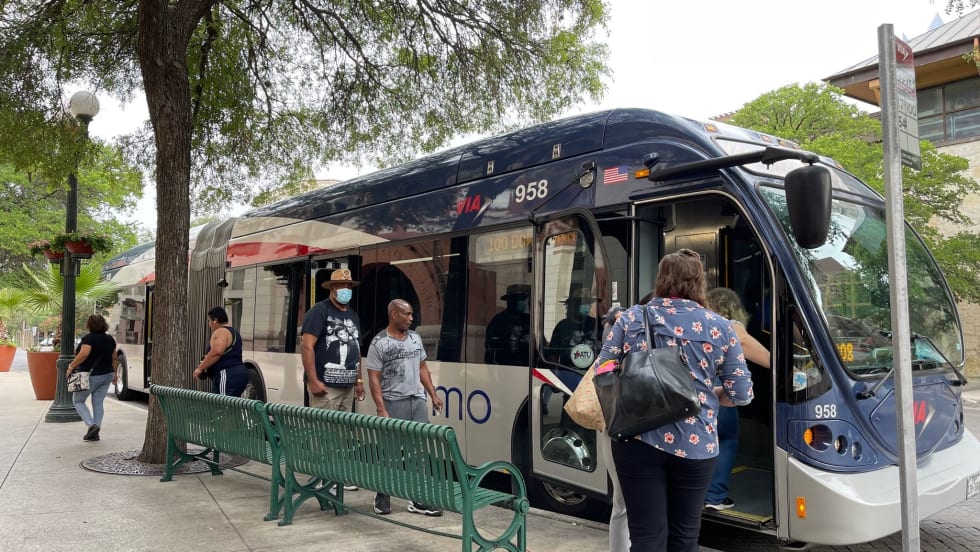
VIA Bus Ridership Grows 10.1% Through August 2026
San Antonio's VIA Metropolitan Transit reported the highest bus ridership growth among major Texas transit systems. Federal Transit Administration data ranked it second among the nation's 50 largest transit systems.
Read More →
CSA Group Releases Climate Resilience Standard for Transit, Passenger Rail
Developed with support from the Standards Council of Canada, CSA D700 guides assessing climate-related risks and planning adaptation measures for transit and passenger rail systems.
Read More →
ETA CEO John Maglio on Transit Technology, Innovation, and Building Agency Trust
ETA founder and CEO John Maglio explores the evolution of transit technology, the importance of reliable systems, and how stronger partnerships can help agencies improve operations and the passenger experience.
Read More →
COTA Launches First Customer Experience Action Plan to Improve Transit Service
The new plan outlines improvements to service reliability, accessibility, communication, and the overall rider experience across Central Ohio's transit system.
Read More →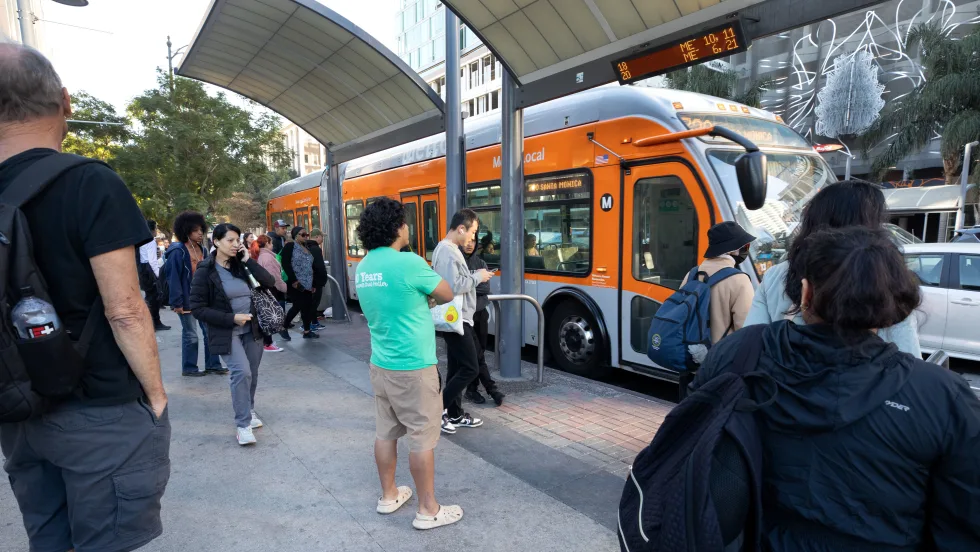
LA Metro September Ridership Climbs 3.9%, Led by Rail Growth
The agency recorded more than 27.2 million boardings, with rail ridership increasing 12.4% year over year and the D Line posting the largest gains.
Read More →