




RELATED: Automated, connected vehicle tech hold promise for transit agencies
Las Vegas summit highlights tech revolutionizing mass transit
Speakers focused on current actions making the emerging technology of advanced mobility a reality, including specific accomplishments and successful public/private partnerships.
January 5, 2017
2 min to read
Nearly 300 international transportation industry executives attended yesterday’s GO-NV Summit to learn about technology advancements revolutionizing the transportation industry locally, nationally and internationally. The summit, with a special focus on connected and autonomous vehicles, was hosted by the Nevada Center for Advanced Mobility (CAM) and its partners, in collaboration with CES 2017.
The summit’s speakers focused on current actions making the emerging technology of advanced mobility a reality, including specific accomplishments and successful public/private partnerships.
According to the GM of the Regional Transportation Commission of Southern Nevada (RTC), Tina Quigley, Nevada, home to CES, the world’s foremost consumer electronic and technology tradeshow, was the ideal place for this summit that brought together transportation leaders from around the globe to discuss the future of the autonomous and connected technology.
“In Nevada, transportation leaders have long valued collaboration and believe the best solutions are derived from partnerships that can further advance transportation technology to alleviate congestion, increase safety standards and stimulate the economy,” said Quigley. “As a result, the state is leading the way to a more connected future by embracing and promoting advanced connectivity technology.”
Summit presentations provided attendees with a better understanding of what technology and transportation companies and their partners are doing to advance connected and autonomous vehicle technology, the best practices for building smart and connected communities, and what is still needed for connected and autonomous vehicles to truly become a viable mode of transportation for the general public.

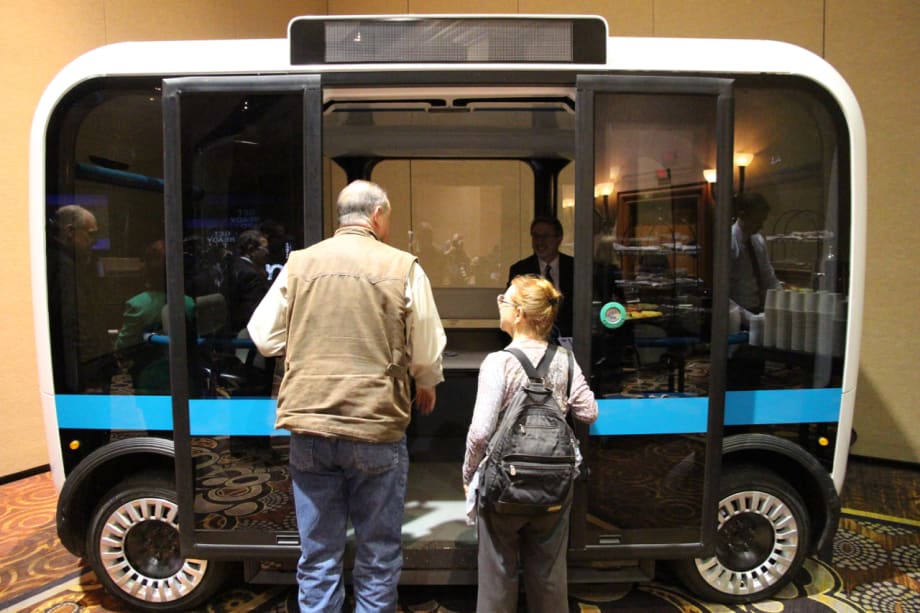
The event’s opening keynote speaker, Jay Rogers, CEO of Local Motors, discussed how the company is applying innovative approaches, such as 3D printing, to advance vehicle safety, sustainability and intelligence. Dr. Mark Rosekind, administrator of the National Highway Traffic Safety Administration (NHTSA), discussed what the federal government is doing to encourage transportation technology, including recent policies, regulations and collaborations.
During the summit, Nevada CAM signed a cooperative Letter of Intent with the GENIVI Alliance, an open, collaborative development community of automakers and their suppliers driving the broad adoption of open source in-vehicle software and open technology for the connected car. The partnership is intended to bring advanced connected vehicle technology to Las Vegas to help increase awareness for pedestrian safety and improve traffic flow.
Attendees also heard from panelists who have pioneered the implementation of advanced transportation technology and are leading the charge to accelerate progress on a global scale, in the U.S. and in Nevada. Nick Earle, senior VP of global field operations for Hyperloop One, gave the closing keynote presentation. Hyperloop One is working in Nevada to radically transform the movement of passengers and freight using high-speed, pressurized capsules moving through reduced pressured tubes at the speed of a plane.
More New Mobility

From Hardware to Digital Partner: Luminator Charts Its Next Chapter
CEO Magnus Friberg discusses Luminator’s shift toward becoming a digital partner, the growing importance of software and interoperability, and how AI can help agencies improve operations and passenger experience.
Read More →
Biz Briefs: Alstom Lands Canadian Contract, LYT to Supply California TSP, and More
In METRO's latest installment, we take a look at recent news from Complete Coach Works, Beep, FlixBus, and more partnerships making headlines across the transportation sector.
Read More →
CharterUP’s Armir Harris on Technology, AI, and the Future of Group Mobility
In a recent episode of METROspectives, CharterUP Founder/CEO Armir Harris discussed the company’s evolution from an online charter bus marketplace into a technology platform supporting public- and private-sector mobility and much more.
Read More →
Jacksonville’s NAVI Project Charts a New Course for Autonomous Public Transportation
Through its NAVI program, JTA is showing how autonomous vehicles, intelligent infrastructure, and coordinated operations can work together to deliver everyday public transportation.
Read More →
Biz Briefs: Luminator Marks Milestone and More
From manufacturers and suppliers to transit agencies and motorcoach operators, these updates offer a snapshot of the projects, partnerships and business moves driving the industry forward.
Read More →
New Tricks for Old Bureaucracies: Joshua Schank on Making Transit Innovation Stick
Former LA Metro Chief Innovation Officer Joshua Schank discusses why good ideas aren't enough, how transit agencies can overcome resistance to change, and why today's challenges demand more innovation.
Read More →
How DART's GoPass Is Redefining Regional Mobility
Serving 14 transit agencies, GoPass simplifies multimodal travel by allowing riders to plan, pay for, and manage an entire trip through one app.
Read More →
Biz Briefs: OCTA Taps Clean Energy for Hydrogen Station, Stadler to Supply Via Rail Vehicles, and More
From manufacturers and suppliers to transit agencies and motorcoach operators, these updates offer a snapshot of the projects, partnerships and business moves driving the industry forward.
Read More →CharterUP Expands Into New Mobility and Autonomous Transportation
Vice President of New Mobility Stephen Joos discusses how CharterUP is leveraging its nationwide transportation network, technology platform, and autonomous vehicle partnerships to expand into workforce mobility, campus shuttles, and transit solutions.
Read More →
METRO Magazine Announces 2026 Innovative Solutions Awards Winners
Projects Recognized for Advancing Mobility Through Technology, Accessibility, Workforce Innovation, and Operational Excellence
Read More →