



Related: 10 Keys for Contractors to Protect Business During COVID-19
Main Street Lending Program Expands Eligibility to More Small, Medium-Sized Businesses
To give borrowers more flexibility in repaying the loans, the Federal Reserve Board lowers the minimum loan amount, raises the maximum loan limit, adjusts the principal repayment schedule to begin after two years, and extends the term to five years.
by Staff
June 11, 2020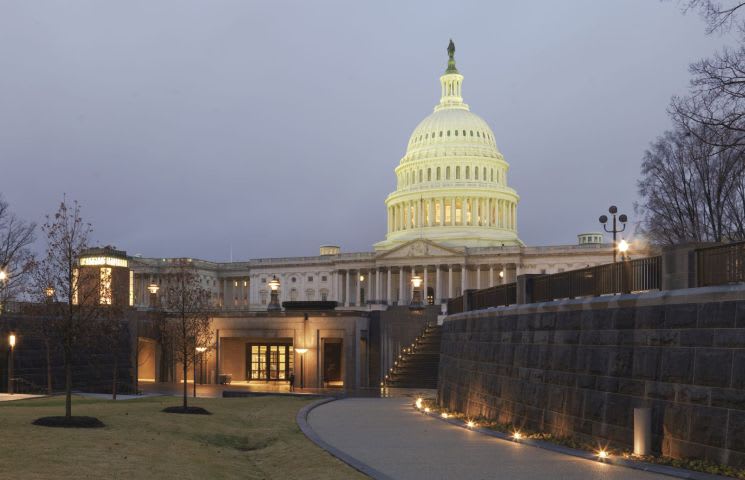
The Federal Reserve Board expanded its Main Street Lending Program to allow more small- and medium-sized businesses to receive support.
File photo
2 min to read
WASHINGTON, D.C. — The Federal Reserve Board on Monday expanded its Main Street Lending Program to allow more small- and medium-sized businesses to receive support.
To give borrowers more flexibility in repaying the loans, the Federal Reserve Board lowered the minimum loan amount, raised the maximum loan limit, adjusted the principal repayment schedule to begin after two years, and extended the term to five years, according to a news release from the federal agency.
The board expects the program to be open for lender registration soon and to be actively buying loans shortly afterward.
"Supporting small and mid-sized businesses so they are ready to reopen and rehire workers will help foster a broad-based economic recovery," said Federal Reserve Chair Jerome H. Powell. "I am confident the changes we are making will improve the ability of the Main Street Lending Program to support employment during this difficult period."
Small- and medium-sized businesses are a vital part of the economy and employ tens of millions of people, according to the board, and, because their needs vary widely, the board has extensively sought feedback and revised the Main Street program accordingly.
The changes include:
• Lowering the minimum loan size for certain loans to $250,000 from $500,000.
• Increasing the maximum loan size for all facilities.
• Increasing the term of each loan option from four years to five years.
• Extending the repayment period for all loans by delaying principal payments for two years, rather than one.
• Raising the Reserve Bank's participation to 95% for all loans.
Once they have successfully registered for the program, lenders are encouraged to begin making Main Street Lending Program loans immediately. The program intends to purchase 95% of each eligible loan that is submitted to the program, provided that the required documentation is complete and the transactions are consistent with the relevant Main Street facility's requirements.
The Main Street Lending Program will also accept loans that were originated under the previously announced terms, if funded before June 10, 2020.
The Main Street Lending Program was established with the approval of the Treasury Secretary and with $75 billion in equity provided by the Treasury Department from the CARES Act.
Originally posted on School Bus Fleet
More Management

METRO Opens Submissions for 2026 Motorcoach Awards
Nominations are now being accepted for METRO Magazine’s Operator of the Year and Innovative Operator of the Year awards.
Read More →
New York MTA Advances Final Contract for Second Avenue Subway Expansion
Contract Four is the largest in the Second Avenue Subway Phase 2 project and includes construction of station infrastructure, tracks, and signals for the subway expansion, MTA officials said. Work on Contract Four will begin in 2027.
Read More →
Transit Agencies Highlight Safety Gains at National Summit
Leaders from 15 major transit systems shared crime-reduction results and safety initiatives while discussing the role of continued federal support.
Read More →

NITA Names New Leadership, Expands Reduced-Fare Program at First Board Meeting
The new regional transit authority appointed its first board chair and interim executive director while extending reduced fares across CTA, Metra, and Pace for eligible riders.
Read More →
Beyond the Checklist: A Structured Approach to Transit Maintenance
Reliability-Centered Maintenance helps transit agencies move beyond routine checklists to focus limited resources on the assets and failures that have the greatest impact on safety, reliability, and service.
Read More →
APTA 2026 Nominating Committee Selects Leadership Slate, Names Chair and Vice Chair Nominees
Leadership changes will help shape the association’s priorities and its representation of the transportation industry during the 2026–2027 term.
Read More →
DART Launches Major Security, Fare Enforcement Initiative
The 90-day demonstration will deploy coordinated security teams at five light rail stations while testing controlled access and gathering data to guide future investments.
Read More →
Sponsored•September 9, 2026
Advancing Fare Collection Through Technology and Innovation
Learn about delivering 1300 gates at 91 stations while managing fare evasion. Explore the large scale deployment, solution customization and real-world results that affect the region. Prepare for deployment in your region now.
Read More →
Game Day in Motion: Moving Millions During the 2026 World Cup
Between packed transit stations and team motorcoaches, see how agencies and operators across North America tackled the transportation demands of the 2026 FIFA World Cup.
Read More →
Surface Transportation Extension Averts Shutdown, Leaves Transit Funding Gap
The stopgap keeps federal transportation programs moving, but missing advance funding could complicate the transit and rail projects agencies are planning next.
Read More →