




RELATED: MARTA to add fresh produce kiosks at four rail stations
MARTA launches initiative to aesthetically enhance rail stations
The authority kicked off the newly established “Artbound” program with an inaugural launch event featuring dancers and musicians at Five Points MARTA Station this week.
June 21, 2017

(L-R) MARTA GM/CEO Keith T. Parker, AICP, MARTA Arts Administrator Katherine Dirga and MARTA Chief of Staff, Rukiya S. Thomas.
Photo Credit: Adam Shumaker
2 min to read

With a reinvigorated push around the arts, the Metropolitan Atlanta Rapid Transit Authority (MARTA) launched a new program aimed at aesthetically enhancing and integrating art throughout the rail system. The authority kicked off the newly established “Artbound” program with an inaugural launch event featuring dancers and musicians at Five Points MARTA Station this week.
Performances by Moving in the Spirit Dance Company and cellist Jenn Cornell accompanied by Emrah Kotan highlighted some artistic elements MARTA’s Artbound initiative will bring to customers beginning this year. In addition to the performing arts, officials announced upcoming restorations project at the Decatur MARTA station and a new art installation piece slated for H.E. Holmes MARTA station.
In 2016, MARTA’s board of directors voted unanimously to support the investment in transit-center art with a goal of improving the overall customer experience throughout the system. Beginning with FY17, 1% of MARTA’s annual budget is now allocated for art-related programs, art-focused community activities, and systemwide art restoration projects.
“From mosaics to murals, we are redefining the ridership experience here at MARTA by intentionally integrating art throughout the entire system,” said GM/CEO Keith Parker. “This new commitment to the arts allows us to engage our customers in a bold, exciting and often entertaining new way.”
In December 2016, MARTA hired Arts Administrator Katherine Dirga to curate and oversee the transit systems arts program. Since that time, MARTA has developed a comprehensive approach to engaging the region’s diverse artistic community inclusive of commissioned art pieces as well as the performing arts.
More Rail
Amtrak Board Advances Plan to Restructure Organization, Seeks Public Input
The proposal, developed by Amtrak management and approved by the board for further consideration, is intended to modernize the organization's structure while improving accountability, operational efficiency, and customer service.
Read More →
Biz Briefs: STV teams with Amtrak, Motorcoach Operators Boost Fleet and Land Contracts, and More
From manufacturers and suppliers to transit agencies and motorcoach operators, these updates offer a snapshot of the projects, partnerships and business moves driving the industry forward.
Read More →
Metra Celebrates 100 Years of Electric Rail, Looks to the Future
The event was also a celebration of recent reforms to public transportation in the Chicago area, changes that could be as transformative in the future as the major civic achievement a century ago, said officials.
Read More →
LA Metro Marks Banner Year, Sets Ambitious Goals for New Fiscal Year
Incoming LA Metro Board Chair and Los Angeles Mayor Karen Bass joined outgoing Board Chair Fernando Dutra and LA Metro CEO Stephanie Wiggins to review accomplishments from fiscal year 2026, which included the opening of new rail extensions, advancement of major transit projects, expanded safety programs, and new rider amenities.
Read More →
DART Taps Nathaniel P. Ford Sr. as Next President/CEO
Since 2012, Ford has served as the CEO of the Jacksonville Transportation Authority
Read More →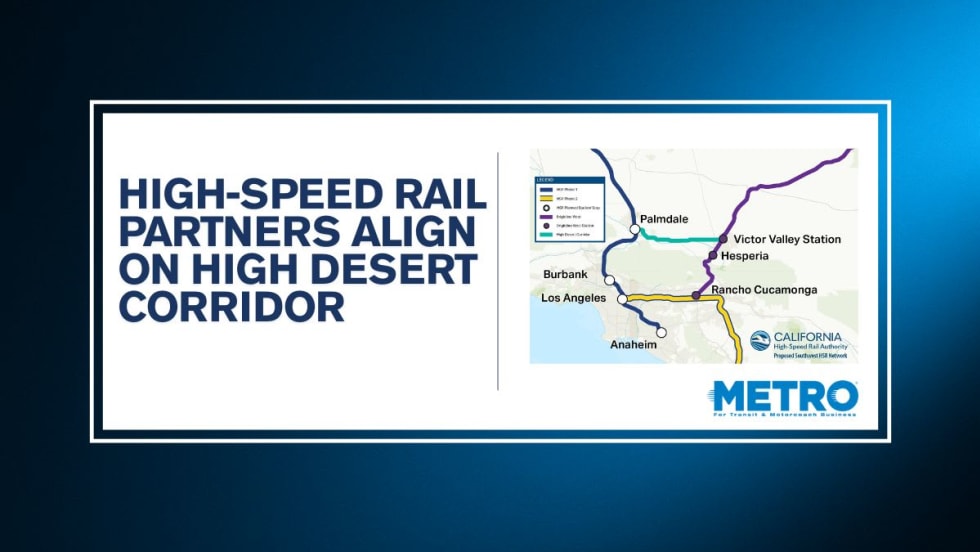
California High-Speed Rail Authority Signs MOU to Advance High Desert Corridor
The agreement deepens collaboration between the California High-Speed Rail Authority and the High Desert Corridor Joint Powers Agency, supporting design integration, cost savings, and faster delivery of a key Southern California rail link.
Read More →
Building the Next Generation of Transit Technology
In this edition of METROspectives, Luminator CEO Magnus Friberg discusses the company's transformation, the growing role of AI and software, and what's next for transit technology.
Read More →
How Data, Strategy, and Community Engagement Are Reshaping Transit
In this edition of METROspectives, strada360 CEO Steve Lassey discusses how transit agencies can better align planning with operations, leverage data to improve decision-making, and build public trust as they prepare for the future of mobility.
Read More →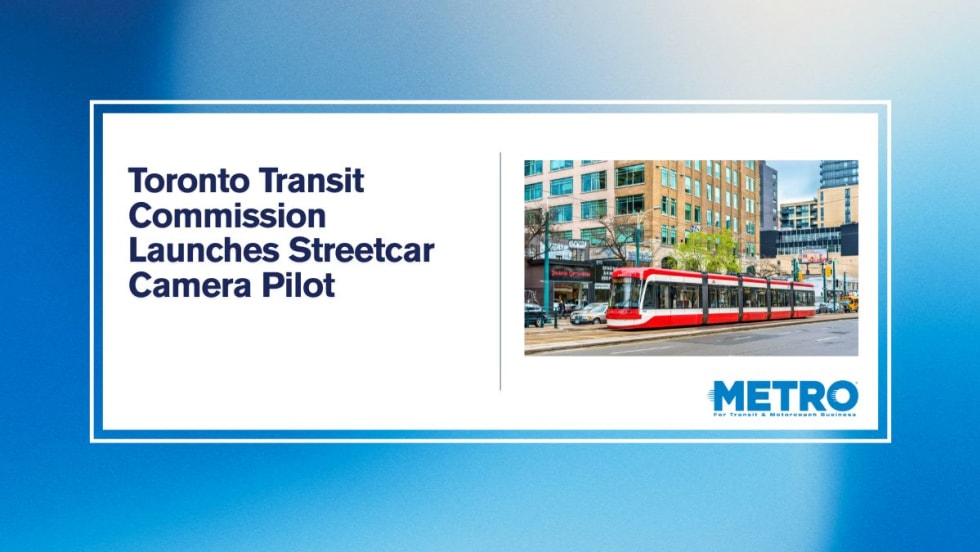
TTC Launches Camera Pilot to Curb Illegal Passing of Streetcars
During the pilot, the cameras will measure how often illegal streetcar passing occurs and test the technology's reliability for future automated enforcement.
Read More →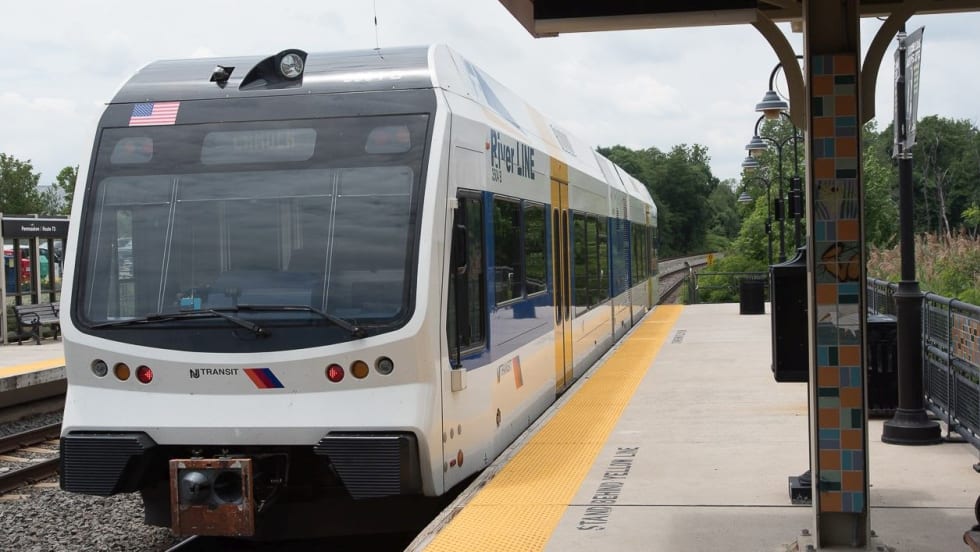
NJ TRANSIT Secures Capital Funding, Adopts FY2027 Budget
The budgets continue investments in infrastructure and equipment to maintain the system in a state of good repair and enhance the overall customer experience.
Read More →