



MARTA launches rider conduct policy
Under “Ride with Respect,” prohibited activities include solicitation; selling goods or services; loud music; spitting; littering; eating on transit vehicles; and fighting. The agency is also increasing its police presence, adding security cameras to vehicles and made available to customers an app to report problems.

The Metropolitan Atlanta Rapid Transit Authority (MARTA) board of directors approved “Ride with Respect,” a new policy to help improve the overall customer experience by addressing nuisance behaviors with penalties, including possible suspension from the transit system. The policy goes into effect on Nov. 9.
“Ride with Respect” was prompted by concerns from existing and potential MARTA customers and the policy was drafted with input from scores of community stakeholders.
Under the new code of conduct, prohibited activities include solicitation; selling goods or services; loud music; spitting; littering; eating on transit vehicles; drinking on transit vehicles without re-sealable drink containers; fighting and disruptive behavior – many of which are also violations of state law and could result in arrest.
“Moving forward, MARTA will no longer tolerate bad behavior on our system,” said Frederick L. Daniels, Jr., chairman of the MARTA board. “We are asking the community, elected officials and customers to join us in raising the bar and reinforcing the expectation that everyone deserves a safe, efficient and enjoyable ride on MARTA.”
Keith T. Parker, MARTA’s GM/CEO, said the policy — along with a more robust police presence, new vehicle security cameras and a mobile phone app to report problems — will make MARTA more attractive and help customers feel more comfortable.
“You should have the freedom to sit quietly and enjoy a peaceful ride on MARTA,” Mr. Parker explained. “‘Ride With Respect’ reaffirms our commitment to our customers and employees by curtailing undesirable behavior on our system.”
“Ride with Respect” is a cornerstone of MARTA’s ongoing transformation initiative to change the way it conducts business in order to make the transit system more financially sustainable for the future.
More Bus

Everett Transit, Community Transit Outline Consolidation Agreement
The proposed agreement calls for a 50% increase in bus service in Everett, a new microtransit zone, continued paratransit service, and the transfer of Everett Transit operations to Community Transit.
Read More →
SEPTA Details Accelerate Vision for Transit System
The plan outlines investments in trolley modernization, new Metro and Regional Rail vehicles, accessible stations, and more frequent bus and rail service.
Read More →
Report: Transit Bus Manufacturing Supports 34,100 Jobs, $5.1B in GDP
The “Buses Mean Business” report examines the transit bus manufacturing industry’s economic footprint, supply chain, and rising demand for vehicle replacements.
Read More →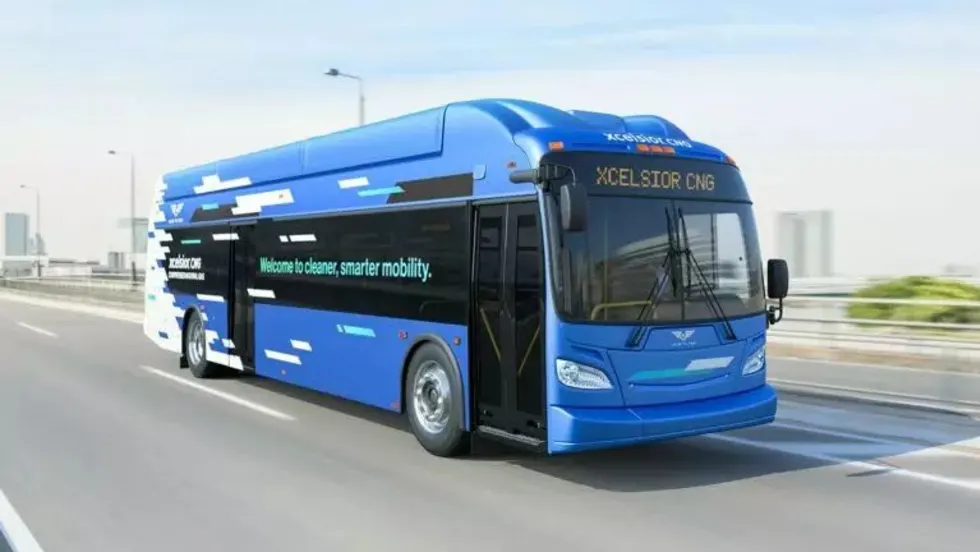
Biz Briefs: New Flyer Delivers in Columbus, Houston, Beep and Freebee Merge, and More
In this edition of Biz Briefs, we spotlight the latest developments shaping the future of mobility.
Read More →
People Movement: Dan Dipert Coaches Adds Third-Generation Leader, Keolis Names New Valley Metro VP/GM, and More
In this edition, we also cover recent appointments and announcements at the Wabtec, SilverRide, HNTB, and more, showcasing the individuals helping to shape the future of transportation.
Read More →
New York MTA Plans Largest Bus Fleet Upgrade in More Than a Decade
The agency is seeking manufacturers for 650 new CNG buses to replace aging vehicles, improve reliability, and advance its broader fleet modernization strategy.
Read More →
Building a Flexible Path to Transit Electrification
John Hroncich discusses BAE Systems’ modular and scalable approach, lessons learned from decades of real-world operations, and how agencies can identify electrification strategies that fit their fleets.
Read More →
Bus Tech Talk: Keeping Transit Technicians Ahead of the Technology Curve
LA Metro’s Obed Mejia discusses technician training, evolving maintenance technology, fleet replacement, and strategies for getting the most out of today’s transit fleets.
Read More →
Biz Briefs: RIPTA Unveils New Frontrunners, Clevland RTA Adds New Siemens, and More
In METRO's latest installment, we take a look at recent news from Siemens, Prevost, Dodge, and more partnerships making headlines across the transportation sector.
Read More →
People Movement: Holly Arnold Joins Transdev and More
In this edition, we also cover recent appointments and announcements at Pace, CamTran, MCI, and more, showcasing the individuals helping to shape the future of transportation.
Read More →