



Masabi's mobile fare payment app to be available on Uber
The two companies will also be working together to offer the integration to new cities around the globe.

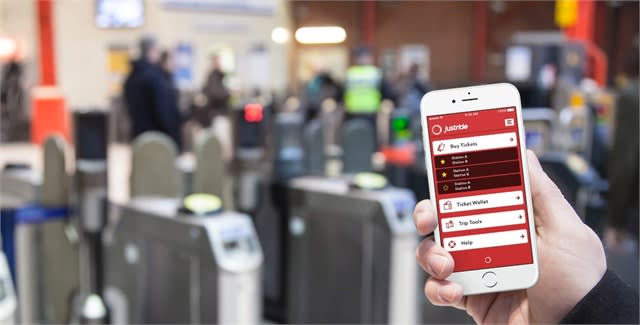
For transit agencies, deploying via SDK means mobile ticketing is instantly available to an already established user base providing a seamless and convenient experience to transfer to or ride on transit services.
Masabi

Masabi announced a new strategic partnership with Uber to add public transit mobile ticketing into the Uber app. Once an agreement is reached with a transit agency, Uber users will have the option to book and display Masabi customers’ transit tickets in the app, allowing for seamless transfers from ride-sharing to public transit services for convenient multimodal journeys. The two companies will also be working together to offer the integration to new cities around the globe.
With the accelerating shift toward urbanization, there are ever greater demands being placed on transportation networks. Streets are congested, but increasing road and parking capacity to deal with this growth is often not an option. Making it easier for people to take multimodal journeys using shared private and public transit options together will help provide a real alternative to private car ownership.
Uber’s new ticketing option will be powered by Masabi’s Justride SDK, the first and only mobile ticketing SDK for public transit. The SDK allows third party applications to request fare types, make payments, and deliver visual and barcode mobile tickets to a passenger through a secure ticket wallet.
The Justride SDK integration combines best-of-breed secure ticketing functionality with existing apps. This gives users greater and more convenient access to tickets for public transit services. For transit agencies, deploying via SDK means mobile ticketing is instantly available to an already established user base providing a seamless and convenient experience to transfer to or ride on transit services. This all ties into Masabi’s underlying philosophy of making public transportation more accessible to all.
“At Masabi our mission has always been to make it quicker and easier to get around cities using a range of transit options and in Uber, we’ve found a perfect partner to help us further that mission,” said Brian Zanghi, CEO of Masabi. “Uber paved the way for a new paradigm in urban mobility, and we’re tremendously excited to power seamless connectivity between Uber’s options and public transit, reducing the number of cars on the road and enabling more on-demand transportation.”
More New Mobility

Biz Briefs: STV teams with Amtrak, Motorcoach Operators Boost Fleet and Land Contracts, and More
From manufacturers and suppliers to transit agencies and motorcoach operators, these updates offer a snapshot of the projects, partnerships and business moves driving the industry forward.
Read More →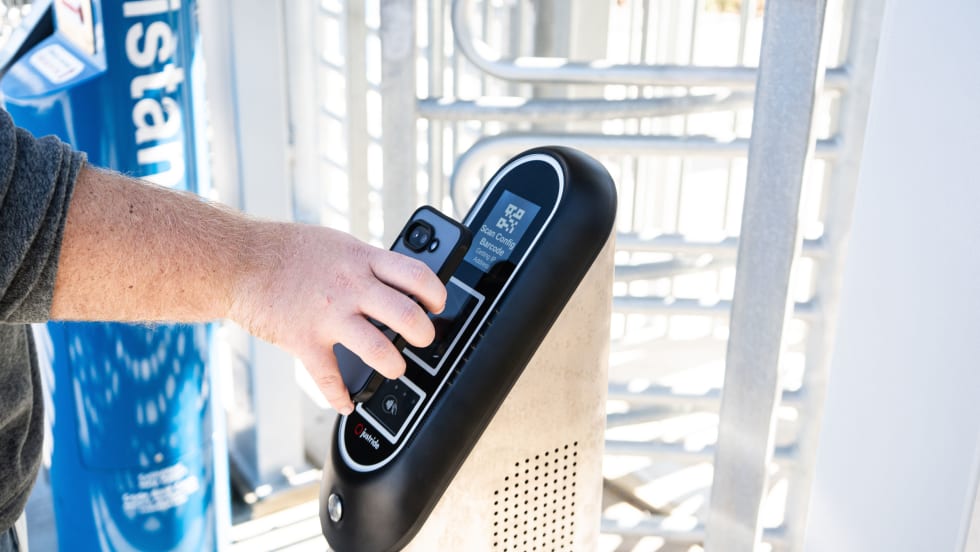
Biz Briefs: Masabi Teams with St. Louis Metro and More
In METRO's latest installment, we take a look at recent news from Transdev, Hitachi, and more partnerships making headlines across the transportation sector.
Read More →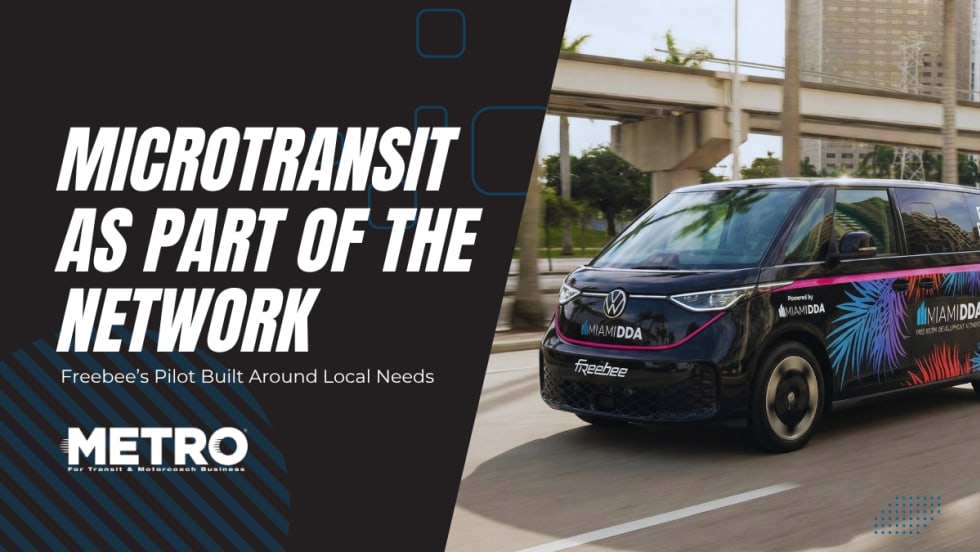
Microtransit's Next Test: Becoming Part of the Network
Freebee shows how electric microtransit is moving beyond pilots to fill network gaps, connect riders to transit, and prove lasting value.
Read More →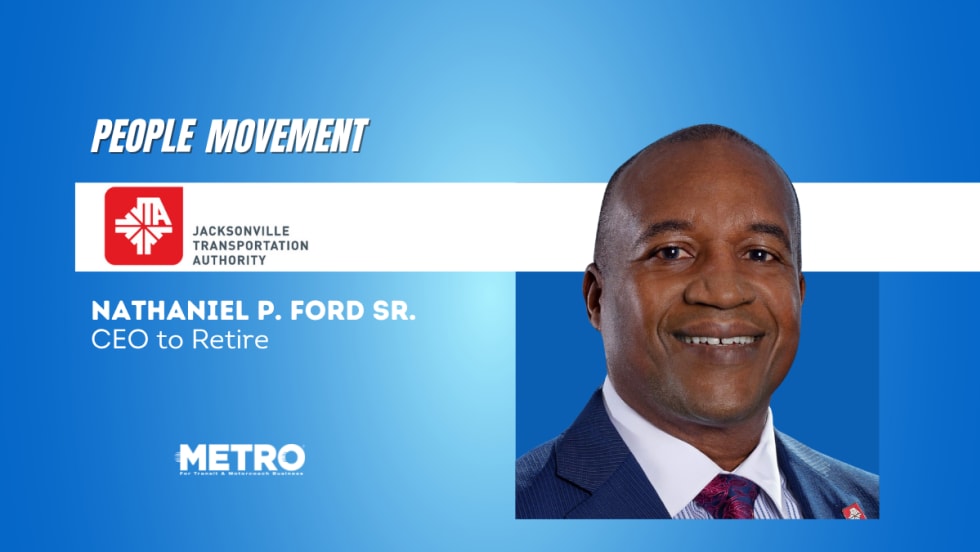
Ford to Leave JTA After More Than 10 Years as CEO
He plans to continue his work advancing innovative mobility solutions to improve the quality of life in communities across the nation. He did not announce specific plans.
Read More →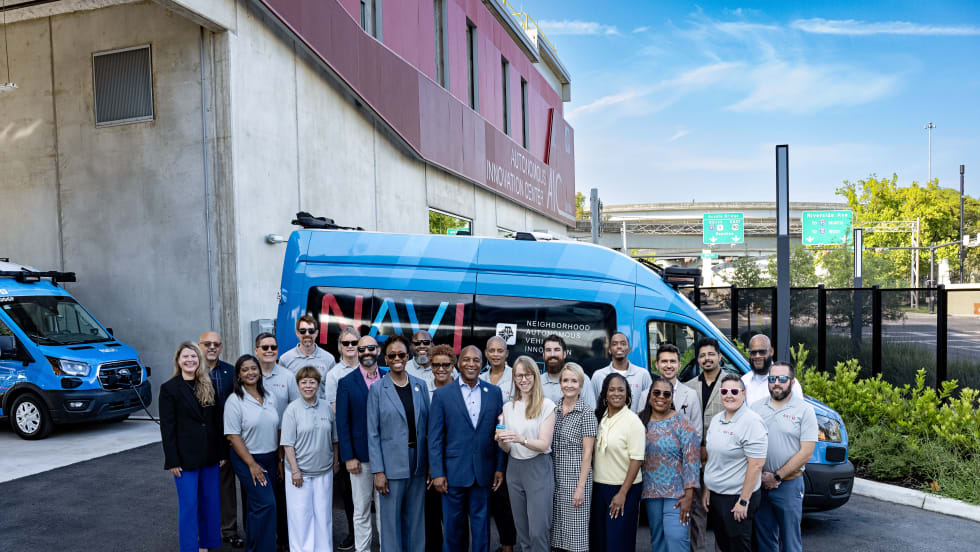
Florida's JTA Marks One Year NAVI Anniversary
During its first year of operation, NAVI has transported over 15,200 passengers and traveled more than 61,000 miles in autonomous mode without a safety incident caused by the autonomous driving system.
Read More →
SEPTA Board Approves FY2027 Budget Amid Funding Challenges
The spending plan represents an increase of just 1.9% over the current year and includes investments in new buses, additional full-length fare gates, and other customer enhancements.
Read More →
Biz Briefs: Endera Delivers to California, Safety Vision Teams with San Antonio's VIA, and More
From manufacturers and suppliers to transit agencies and motorcoach operators, these updates offer a snapshot of the projects, partnerships and business moves driving the industry forward.
Read More →
Modernizing Mobility with CharterUP CEO Armir Harris
From digital transformation to evolving customer demands, CharterUP's Armir Harris offers his perspective on the transportation industry's next chapter.
Read More →
Biz Briefs: Montréal Debuts Nova Electric Buses and More
In this edition of Biz Briefs, we spotlight the latest developments shaping the future of mobility.
Read More →
6 Transit Management Lessons for Colleges and Universities Facing Seasonal Demand Swings
College transportation demand swings wildly throughout the year. Fleet strategies are starting to catch up.
Read More →