



Mass. Governor files $18B transportation bond bill
The authorization would be used to fund existing programs, as well as several new initiatives designed to lessen impacts from roadway congestion.

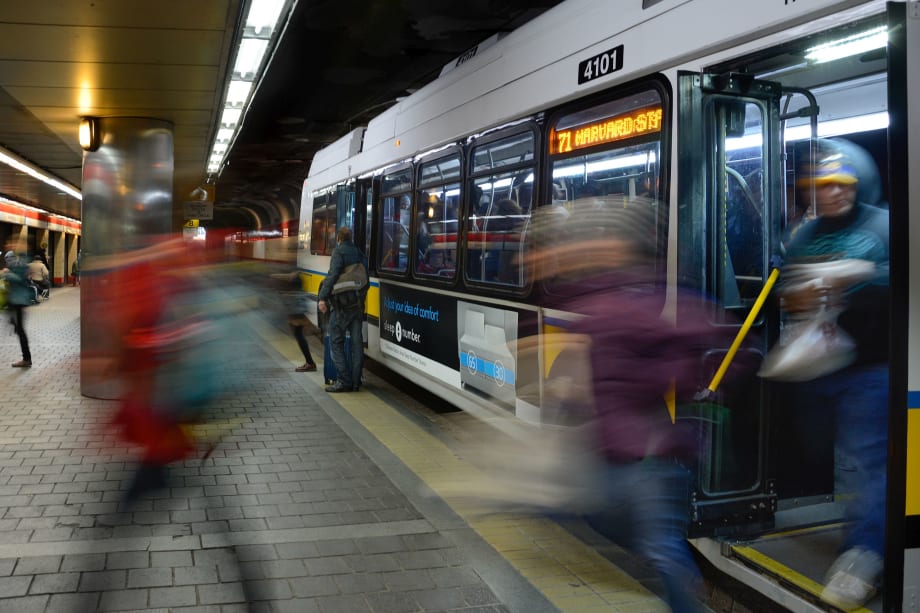
The bill reauthorizes and expands the special revenue bond Rail Enhancement Program to support $2.7 billion for MBTA investments over the next 10 years.
MBTA
The bill reauthorizes and expands the special revenue bond Rail Enhancement Program to support $2.7 billion for MBTA investments over the next 10 years.
MBTA
Gov. Charlie Baker and Lt. Gov. Karyn Polito filed a transportation bond bill seeking $18 billion in additional capital authorization to invest in building and modernizing a transportation system that meets the needs of residents, businesses, and cities and towns statewide. The authorization would be used to fund existing programs, as well as several new initiatives designed to lessen impacts from roadway congestion and ensure reliable travel throughout the Commonwealth.
Titled “An Act Authorizing and Accelerating Transportation Investment,” the proposal includes a series of initiatives from the administration to combat congestion on the Commonwealth’s roadways including establishing a tax credit to encourage telecommuting and remote working, expanding the use of designated bus lanes, and transit signal priority, as well as creating a program designed to reduce bottlenecks on local roadways.
It includes nearly $5.7 billion to continue modernizing the MBTA, $150 million to improve the pavement condition on state roads, $20 million to ensure municipalities have resources needed to continue efforts to build “Complete Streets” infrastructure to encourage the public to travel more on foot and by bicycle and $70 million for the Municipal Small Bridge Program.
The bill makes available an innovative, ongoing source of future support by authorizing up to half of the revenue generated by regional market-based compliance programs in the transportation sector, including the Transportation and Climate Initiative, which is currently under development with other Northeast and Mid-Atlantic states and the District of Columbia, to be used to support public transit capital investments that reduce greenhouse gas emissions in the transportation sector. The implementation of this initiative will lead to additional future revenues for investments in transportation infrastructure beyond those included in the bill.
The bill reauthorizes and expands the special revenue bond Rail Enhancement Program to support $2.7 billion for MBTA investments over the next 10 years beyond those funded in the five-year capital plan. This will help fund planning studies and pilots to support the reinvention of both the bus and commuter rail systems, make rail service improvements throughout the Commonwealth and invest in infrastructure power and resiliency.
It also authorizes $1.25 billion in Grant Anticipation Notes to support an expanded bridge program, the Next Generation Bridge Financing Program, ensuring that a total of approximately $4 billion will be available over the next eight years to invest in bridge preservation and reconstruction. The funding exceeds the size of the recently-completed Accelerated Bridge Program.
With the passage of the bill, MassDOT would be provided with the tools and resources to advance its goals of having 70% of non-interstate pavement in good or excellent condition. MassDOT would also be empowered to continue moving towards the goal of less than 10% of the bridge deck area of National Highway System bridges in poor condition.
More Management

Utilimarc Launches SmartReplace to Optimize Fleet Replacement Decisions
AI-powered SmartReplace helps fleets prioritize vehicle replacements, model budget scenarios, and build more defensible long-term strategies.
Read More →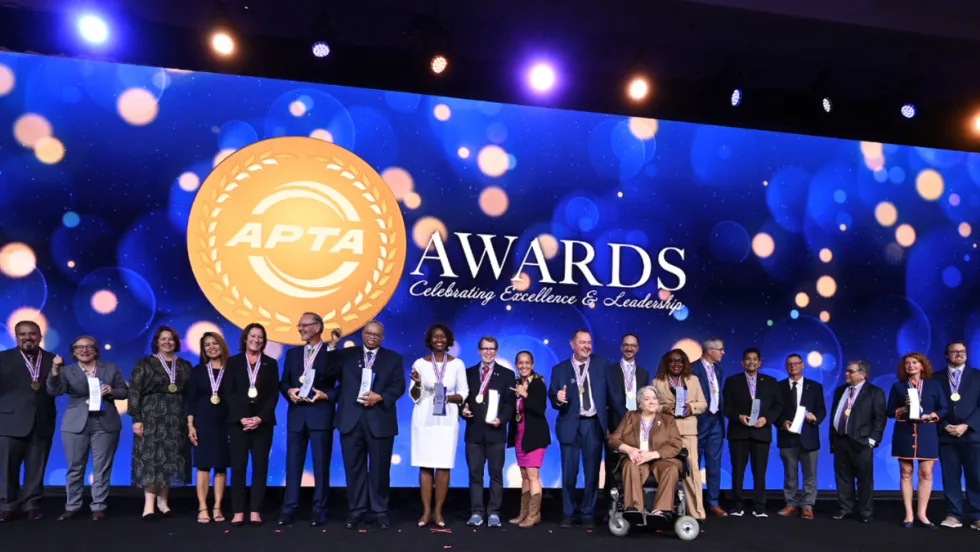
APTA Honors 2026 Award Winners, Hall of Fame Inductees at TRANSform & EXPO
Innovations in autonomous and zero-emission transportation, standout transit systems, and industry leadership took center stage among this year's honorees.
Read More →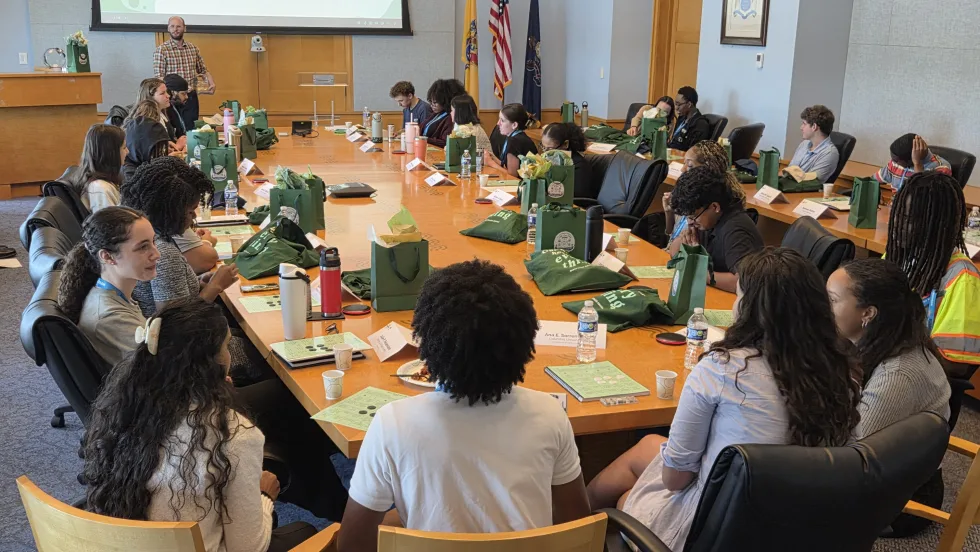
7 Ways to Build a Better Transit Internship Program
Lessons from DRPA/PATCO’s approach to creating a meaningful internship experience—and developing the next generation of transportation professionals.
Read More →
Scenes from APTA TRANSform & EXPO 2026
Transit leaders, manufacturers, and industry professionals gathered in Chicago to explore new technologies, share ideas, and discuss the future of public transportation.
Read More →
Building Stronger Leaders, More Resilient Transit Teams
Dr. Carol Parker Walsh discusses leadership development, employee retention, workplace culture, and preparing transit’s workforce for AI and automation.
Read More →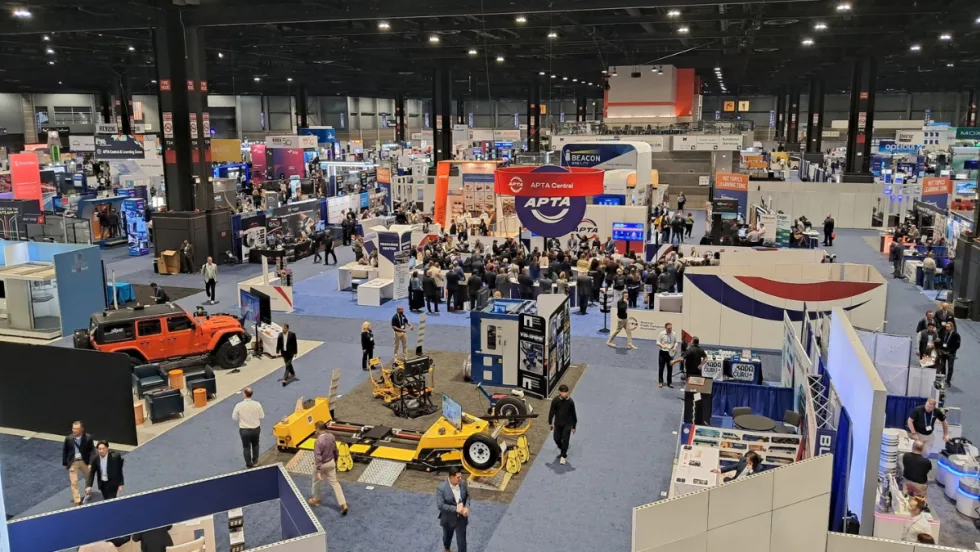
APTA 2026 TRANSform & EXPO Kicks Off in Chicago
After 45 years, APTA returns to Chicago with a focus on next-generation fleets, AI, connected transit networks, and the funding strategies shaping public transportation’s future.
Read More →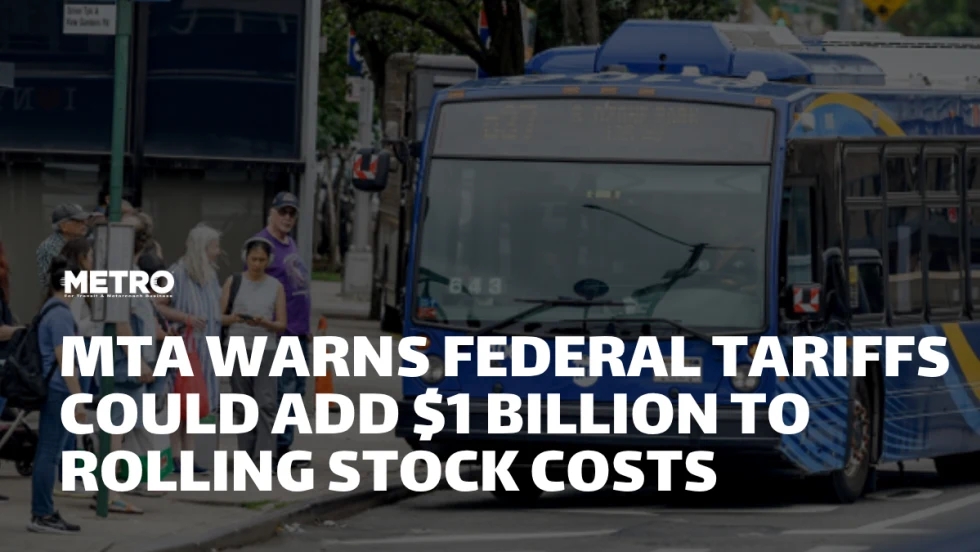
New York MTA Warns Federal Tariffs Could Add $1 Billion to Rolling Stock Costs
The agency said tariffs on specialized imported components could reduce the purchasing power of its $23 billion investment in new subway cars, railcars, and buses.
Read More →
From the Show Floor: What Happened at APTA TRANSform & EXPO 2026
See the latest product launches, partnerships, technology updates, and transit industry announcements from APTA TRANSform & EXPO in Chicago.
Read More →
How Valley Metro Is Balancing Transit Growth With the Rider Experience
The APTA award-winning agency is pairing rapid system expansion with investments in workforce, safety, technology, and the fundamentals of transit service.
Read More →
Bus Tech Talk: Keeping Transit Technicians Ahead of the Technology Curve
In this episode of Bus Tech Talk, Complete Coach Works’ Business Development Manager Mark Hollenbeck and METRO’s Executive Editor Alex Roman sit down with Obed Mejia, Senior Technical Trainer for Bus Maintenance, at LA Metro to discuss how rapidly evolving bus technology is changing the maintenance shop — and the skills technicians need to keep pace.
Read More →