




RELATED: Cost-Cutting Strategies for Your Paratransit Program
MBTA signs amended agreement to bolster system accessibility
The accord called over 200 commitments and obligations to improve the agency's fixed-route accessibility for people with disabilities.
December 6, 2018
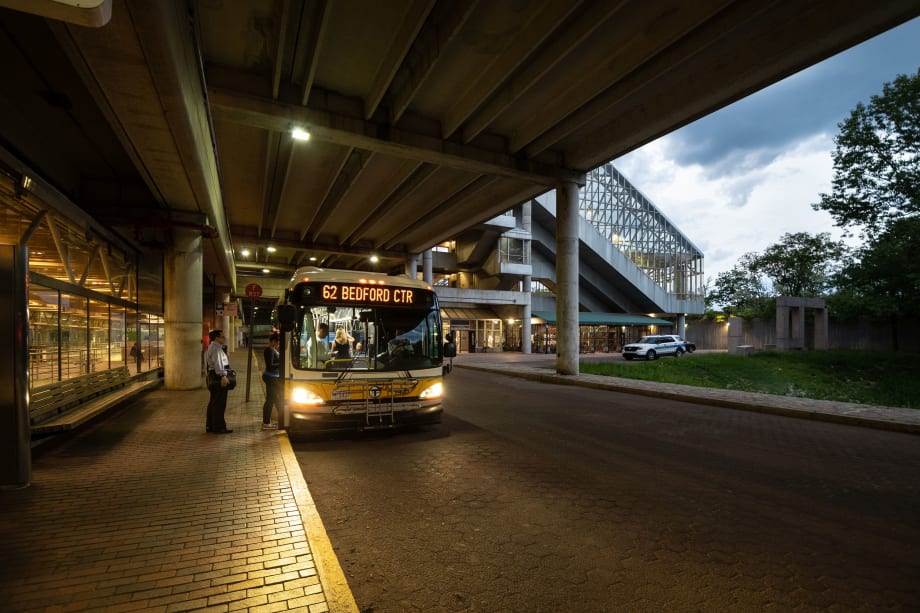
Originally signed in April 2006, the MBTA/Boston Center for Independent Living (BCIL) Settlement Agreement called for sweeping improvements in the form of over 200 commitments and obligations to improve the MBTA’s fixed-route accessibility for people with disabilities.
MBTA
2 min to read
Originally signed in April 2006, the MBTA/Boston Center for Independent Living (BCIL) Settlement Agreement called for sweeping improvements in the form of over 200 commitments and obligations to improve the MBTA’s fixed-route accessibility for people with disabilities.
MBTA
The Massachusetts Bay Transportation Authority (MBTA) and the Boston Center for Independent Living signed an Amended Settlement Agreement that sets forth updated achievable goals in the MBTA’s plan to bring about a more accessible transit system.
Originally signed in April 2006, the MBTA/Boston Center for Independent Living (BCIL) Settlement Agreement called for sweeping improvements in the form of over 200 commitments and obligations to improve the MBTA’s fixed-route accessibility for people with disabilities.
Since the Settlement Agreement was entered into in 2006, the MBTA has worked collaboratively with the BCIL and the Independent Monitor, retired Judge Patrick King, in taking a systematic approach to address outstanding accessibility obligations.
Over a decade since the Settlement Agreement was entered into, many of these commitments have been fulfilled, including:
The development of the MBTA’s Department of System Wide Accessibility in 2007;
New and more reliable elevators (50 new elevators have been added to the system with 10 more under construction and 60 additional elevators currently in design) with enhanced design standards;
An entirely accessible bus fleet with updated bus operator training, and continued emergency preparedness.
The MBTA has also proactively worked toward accessible initiatives beyond the scope of the Settlement Agreement, including:
Digital Beacon Pilot: The MBTA piloted the use of Bluetooth "beacons" installed on bus stop signs along two routes to aid riders with visual impairments. These beacons transmit a signal to users of the BlindWays app, translating into voiceover narration and cell phone vibrations, with vibrations becoming more intense as a user approaches the beacon located at the bus stop;
Priority seating signage with high-contrast colors, tactile lettering, multiple symbols, and clearer language to be installed across all modes;
Ongoing Wollaston Station improvements, which, once complete, will make the Red Line 100% accessible;
Identifying and prioritizing repairs for accessibility barriers at all MBTA stops and stations.
Going forward, the process and timeline for evaluating and achieving the compliance of the settlement’s remaining obligations will be streamlined with the MBTA directly submitting a report to the independent monitor every six months with terms that have been fulfilled.
Additional commitments are also currently underway and in various phases of completion. These commitments include, among others:
Ensuring that customers with non-apparent disabilities are granted requests for assistance;
Continued customer assistance at stations;
Addressing issues with alternative service if an elevator is unavailable;
The development of accessibility design standards, and;
The installation of elevators directly connecting the Red and Orange Lines at Downtown Crossing.
More Paratransit

Biz Briefs: RIPTA Unveils New Frontrunners, Clevland RTA Adds New Siemens, and More
In METRO's latest installment, we take a look at recent news from Siemens, Prevost, Dodge, and more partnerships making headlines across the transportation sector.
Read More →
King County Metro Makes ADA Paratransit Easier to Navigate
METRO's Innovative Solutions Award winner replaces complex service-area descriptions with an accessible, interactive map that puts paratransit information directly in customers’ hands.
Read More →
Jacksonville’s NAVI Project Charts a New Course for Autonomous Public Transportation
Through its NAVI program, JTA is showing how autonomous vehicles, intelligent infrastructure, and coordinated operations can work together to deliver everyday public transportation.
Read More →
Driving Smarter Paratransit
John Hanlon shares how AlphaRoute is leveraging AI-powered technology to help paratransit providers optimize operations, support frontline staff, and enhance the rider experience.
Read More →
METRO Magazine Announces 2026 Innovative Solutions Awards Winners
Projects Recognized for Advancing Mobility Through Technology, Accessibility, Workforce Innovation, and Operational Excellence
Read More →
Biz Briefs: STV teams with Amtrak, Motorcoach Operators Boost Fleet and Land Contracts, and More
From manufacturers and suppliers to transit agencies and motorcoach operators, these updates offer a snapshot of the projects, partnerships and business moves driving the industry forward.
Read More →
Biz Briefs: Masabi Teams with St. Louis Metro and More
In METRO's latest installment, we take a look at recent news from Transdev, Hitachi, and more partnerships making headlines across the transportation sector.
Read More →
New York MTA Leverages Zoning Program to Advance Station Accessibility
Accessibility enhancements at Nevins St Station will be financed through a development agreement tied to the MTA's Zoning for Accessibility initiative.
Read More →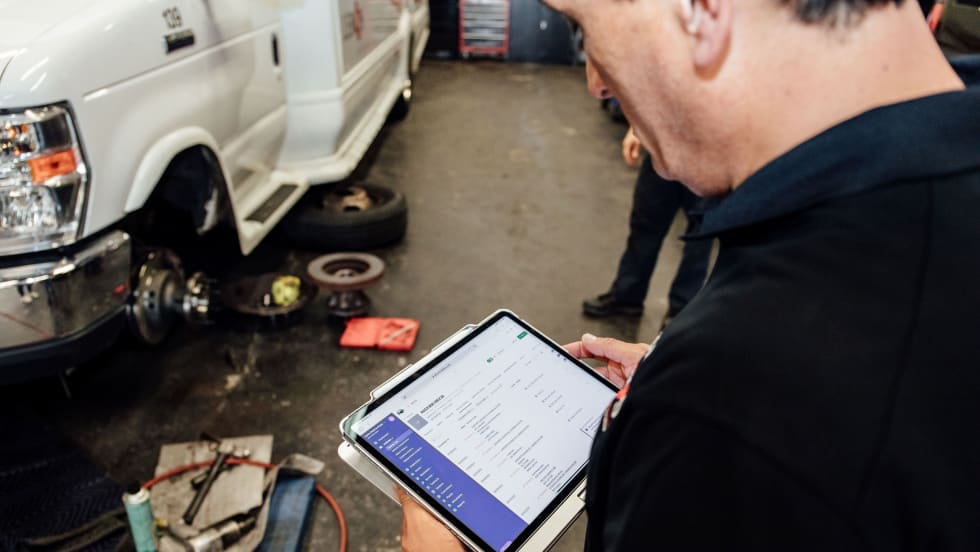
Reinventing Fleet Maintenance with Real-time Visibility and AI
Transit leaders need to know what needs fixing, where to look, who is responsible, when work is completed, and what it costs without having to chase information across disconnected systems.
Read More →
SamTrans Sets Priorities for Potential Connect Bay Area Revenue
The board-approved framework allocates future funding to maintaining service, rider improvements, equity initiatives, and infrastructure repairs.
Read More →