



MCI's 6000th unit rolls off E/J line
The new MCI J4500s feature a new, smooth, wide-ride suspension, electronic stability control, fire suppression system, tire-pressure monitoring and the newest clean-diesel engine technology.

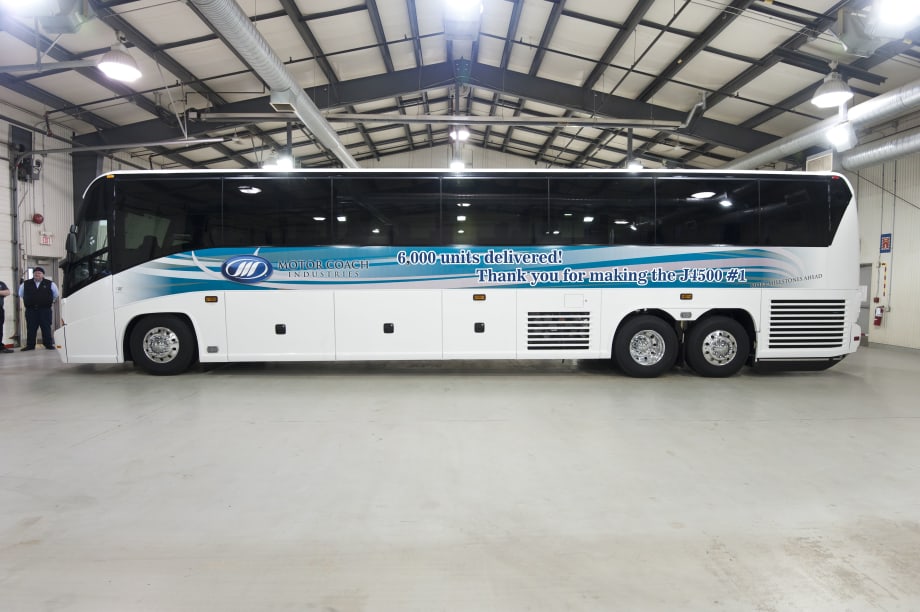

"Everyone at MCI has an important role in providing our customers with industry leading, quality coaches," said Bryan Couch, MCI VP/GM, operations. "Achieving this milestone coincides with our J4500 coach ranking as North America's best-selling intercity coach, a distinction it has enjoyed for seven years running. We take great pride in this accomplishment. We appreciate the trust our customers place in MCI models to transport their passengers in comfort, safety and reliability and the confidence they have knowing that MCI will continue to innovate and build the coaches best suited to their needs."
The Shriners and all MCI customers should notice a new trend of continuous improvement, according to the company. Internally, MCI has a number of Business Excellence programs underway including the MCI Reliability Team — a management-level taskforce emphasizing the importance and rigorous standards of quality and reliability throughout MCI's product line.
The new MCI J4500s feature a new, smooth, wide-ride suspension, electronic stability control, fire suppression system, tire-pressure monitoring and the newest clean-diesel engine technology.

Based in Burnaby, B.C., the Shriners of British Columbia and Yukon operate what is now a fleet of five Shriners Care Cruisers; all MCI models that include three J4500s, an E4500 and a 102C.
The J4500s used by the Shriners Care Cruisers program require special features to transport sick children, including medical chairs that can fully recline as well as assist a patient to a standing position; wide, accessible lavatories; galleys; docking space for stretchers; hospital beds or couches; and additional HVAC equipment to make sure the coach can maintain a constant 72-degree interior even in the coldest Canadian winters. The floors are also heavily carpeted so children can play during their ride.
More Bus

Finding the ‘Happy Medium’: Optimizing Maintenance Without Sacrificing Reliability
The key to maintenance optimization isn’t doing less work—it’s doing the right work at the right time on the right assets.
Read More →
LA Metro, City of West Hollywood, and Partners Advance Smarter Bus Lane Enforcement
The award-winning partnership combines AI-powered detection with human oversight to improve bus reliability, accessibility, and enforcement efficiency.
Read More →
PSTA Modernizes Workforce Management with Digital Bidding System
The award-winning Workforce Transit Modernization project replaced paper bidding with a transparent digital platform, cutting administrative effort while improving access for operators.
Read More →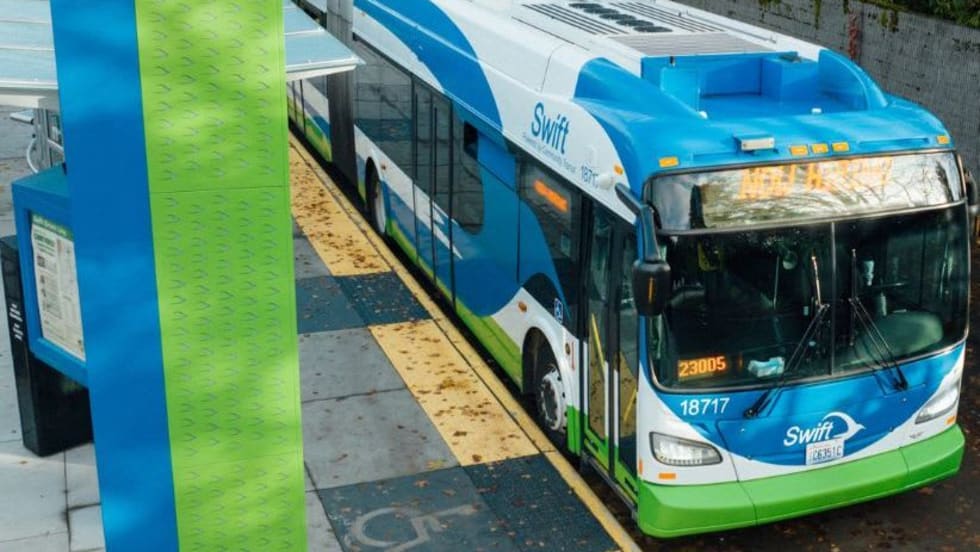
Washington's Community Transit Sets Six-Year Roadmap for Growth, Expansion
Approved TDP targets more bus service, new mobility options, Swift BRT expansion, and a potential Everett Transit annexation.
Read More →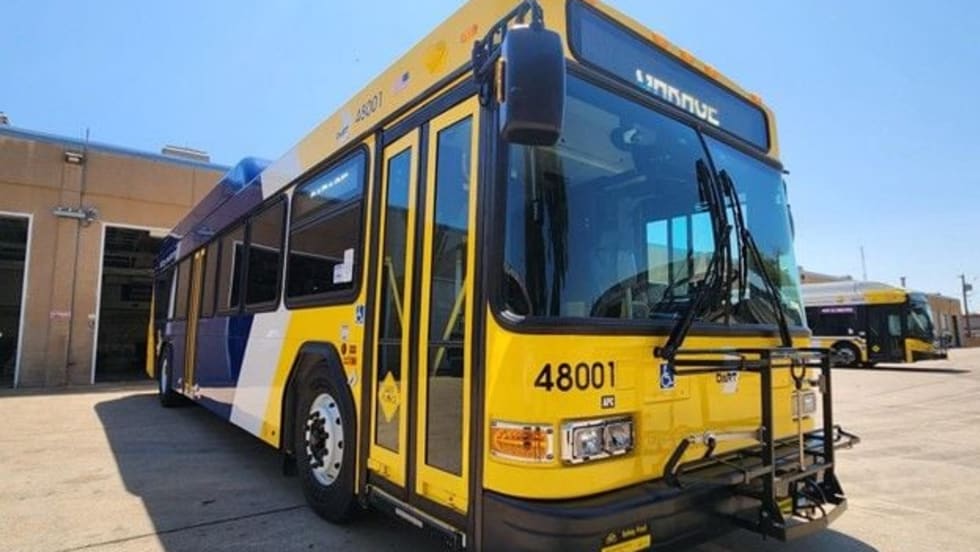
DART Customer Satisfaction Reaches Six-Year High
Overall satisfaction rose to 74.9%, while the agency’s Net Promoter Score reached a record 33.7.
Read More →
How DART's GoPass Is Redefining Regional Mobility
Serving 14 transit agencies, GoPass simplifies multimodal travel by allowing riders to plan, pay for, and manage an entire trip through one app.
Read More →
Biz Briefs: OCTA Taps Clean Energy for Hydrogen Station, Stadler to Supply Via Rail Vehicles, and More
From manufacturers and suppliers to transit agencies and motorcoach operators, these updates offer a snapshot of the projects, partnerships and business moves driving the industry forward.
Read More →
METRO Magazine Announces 2026 Innovative Solutions Awards Winners
Projects Recognized for Advancing Mobility Through Technology, Accessibility, Workforce Innovation, and Operational Excellence
Read More →
Biz Briefs: STV teams with Amtrak, Motorcoach Operators Boost Fleet and Land Contracts, and More
From manufacturers and suppliers to transit agencies and motorcoach operators, these updates offer a snapshot of the projects, partnerships and business moves driving the industry forward.
Read More →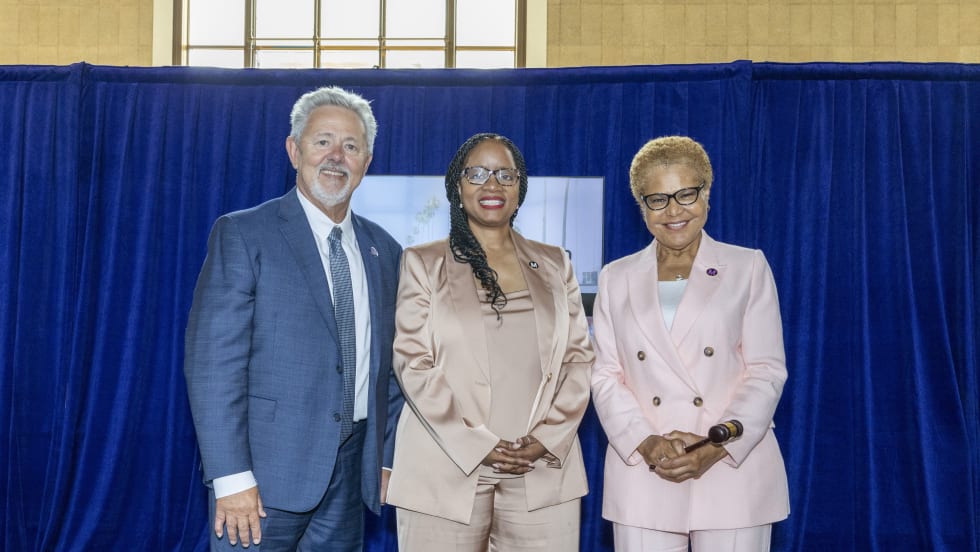
LA Metro Marks Banner Year, Sets Ambitious Goals for New Fiscal Year
Incoming LA Metro Board Chair and Los Angeles Mayor Karen Bass joined outgoing Board Chair Fernando Dutra and LA Metro CEO Stephanie Wiggins to review accomplishments from fiscal year 2026, which included the opening of new rail extensions, advancement of major transit projects, expanded safety programs, and new rider amenities.
Read More →