




RELATED: Making it easier to do business with the transit industry
Metra to host DBE certification workshop
Workshop will explain how a minority- or women-owned business can become a certified DBE firm.
July 6, 2017

2 min to read

Metra’s Office of Diversity and Civil Rights will host a free certification workshop for small, minority- and women-owned businesses from 10 a.m. to 11 a.m. Wednesday, July 12 at Metra headquarters, located at 547 W. Jackson Blvd. in Chicago.
Designed for small business owners, construction firms, professional service firms and suppliers, the Disadvantaged Business Enterprise (DBE) Certification 101 Workshop will explain how a minority- or women-owned business can become a certified DBE firm. While there are similarities, the DBE certification is separate and distinct from WBE, SBE, or MBE certifications.
The DBE workshop will also provide an in-depth explanation of how to complete the certification application, including what documents are needed and how to avoid common mistakes. All questions regarding the process are welcomed during this workshop.
“Obtaining a DBE certification is rewarding for small businesses, and we want to help those interested work their way through a process that can be daunting at times,” said Metra Executive Director/CEO Don Orseno. “This workshop is one starting point for firms who want access to the numerous contracts Metra has to offer.”
The workshop also will give insight into the advantages of DBE certification and how it can be used as a resource when doing business with Metra and the four other Illinois Unified Certification (IL UCP) members: the Chicago Transit Authority, Pace, the Illinois Department of Transportation and the City of Chicago.
Metra’s DBE program was established in 1984. Since that time, the program has made numerous strides in creating a level playing field for small, minority- and women-owned businesses. Over the past 30 years, Metra’s DBE program has sponsored and participated in hundreds of workshops, training sessions and exhibitor fairs that provide access and opportunities throughout Illinois.
From 2014 to 2016, Metra committed $82 million in contracts to DBE firms, with 31% going to women-owned firms, 28% going to African American-owned firms, 22% going to Hispanic-owned firms and 19% going to Asian or Asian-Pacific American-owned firms. During that time, the value of contracts awarded to DBE firms increased by 31%.
To register for the event and for more information, contact DBE Community Liaison Romayne Newton at rnewton@metrarr.com or 312-322-6587.
More Management
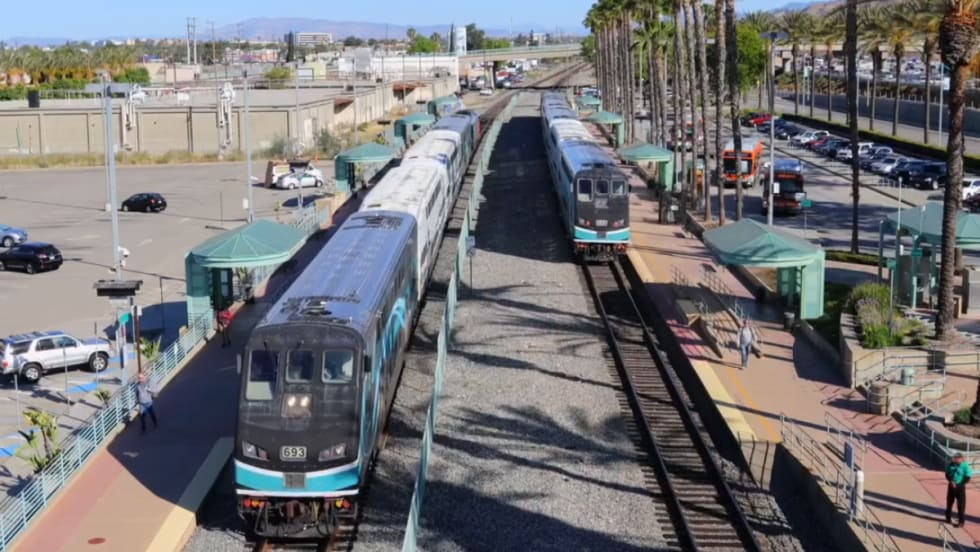
Southern California’s Metrolink Approves $508.8M Budget, Avoids Service Cuts
A $20 million state allocation allows the regional rail agency to maintain existing weekday and weekend service through fiscal year 2028, although longer-term funding challenges remain.
Read More →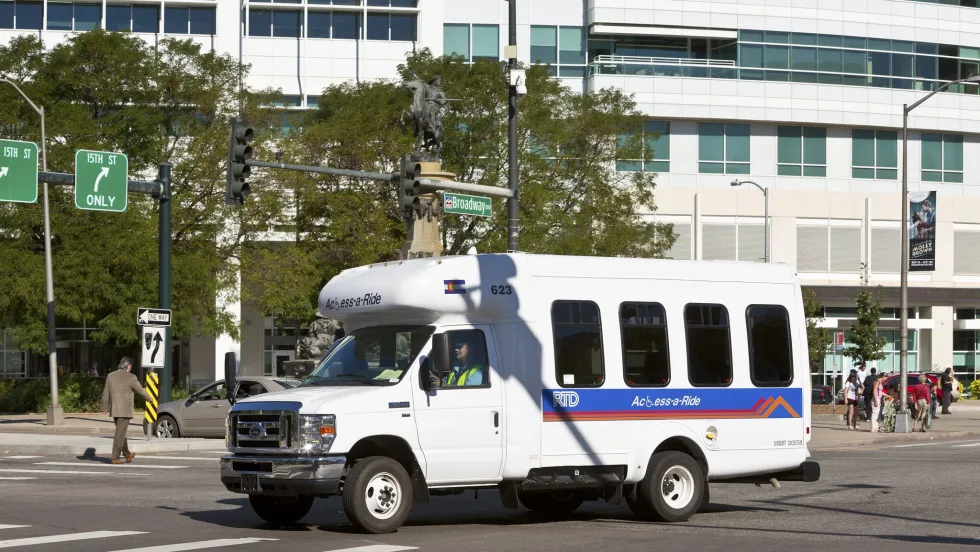
Denver RTD Committee to Review Paratransit Services, Improve Accessibility
The committee will oversee an independent study of paratransit operations, gather customer feedback, and recommend improvements to service reliability, accessibility, and accountability.
Read More →
Castro to Lead RTC of Southern Nevada and More in People Movement
In this edition, we also cover recent appointments and announcements at the STV, MCI, and more, showcasing the individuals helping to shape the future of transportation.
Read More →
STraffic Expands North American Presence with Fare Collection Technology
John Moon, Associate Director, Product Strategy at STraffic, discusses the company's growth in North America, its efforts to reduce fare evasion, and more.
Read More →
Study: Denver RTD Generates $2.1 Billion in Annual Economic Activity
An economic impact study finds the agency supports approximately 17,500 jobs, delivers $1.6 billion in annual community and mobility benefits, and generates $2.42 in economic value for every dollar invested.
Read More →
Mark Aesch Nominated to Lead Federal Transit Administration
The former Rochester transit chief and TransPro founder, who has also contributed to METRO Magazine, brings decades of industry experience and a focus on performance, accountability, and financial sustainability to the nomination.
Read More →
Best and Worst U.S. Cities for Public Transportation in 2026
A new analysis of 50 major U.S. urban areas ranks public transit systems based on accessibility, affordability, usefulness, and safety, highlighting where transit performs best and where challenges remain.
Read More →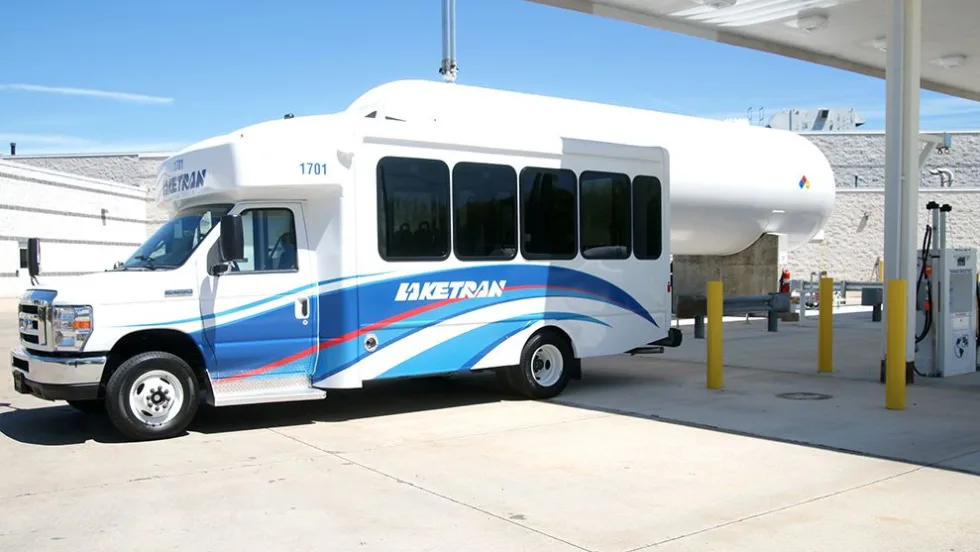
Laketran Cuts Fuel Costs, Boosts Efficiency with Propane-Powered Fleet
The Ohio transit agency is using propane-powered vehicles and on-site fueling infrastructure to cut fuel and maintenance costs while meeting growing demand for paratransit services.
Read More →
Canada’s Public Transit Supports $65.6 Billion in Annual GDP
New research from the Canadian Chamber of Commerce examines transit's economic contributions, including job creation and the financial implications of transportation investment.
Read More →
Pierce Transit Moves to Expand Fleet Following Proposition 1 Approval
The agency authorized the purchase or refurbishment of up to 60 buses to support a 47% service expansion, as voters nationwide approved billions in new transit funding.
Read More →